Japanese privet(Ligustrum japonicum)

Japanese privet (Ligustrum japonicum)

Also known as: Curlyleaf ligustrum

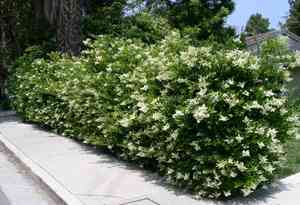
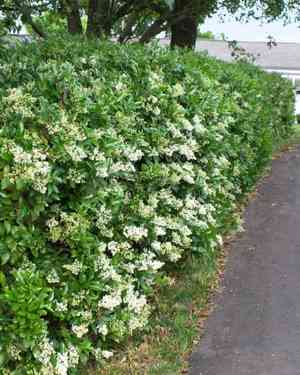
The Japanese privet (Ligustrum japonicum) is an evergreen shrub or small tree known for its shiny, dark green leaves and clusters of small white flowers that appear in late spring. Though the flowers emit a fragrance, it is often considered unpleasant by some. This plant is deemed invasive in various regions of North America, where it can spread aggressively and disrupt local ecosystems.

Attributes of Japanese privet

Lifespan
Perennial
Plant Type
Shrub, Tree
Plant Height
2 m to 6 m
Spread
1.5 m to 1.8 m
Leaf Color
Green
Flower Size
5 mm to 6 mm
Flower Color
White

PlantJoy - Identify plants with a snap

Identify and diagnose plants, get toxicity alerts, and explore safety guides for all types of fungi.

Try for Free

Images of Japanese privet

Japanese privet(Ligustrum japonicum)

Quickly Identify Japanese privet

1
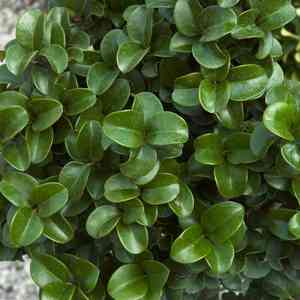
Opposite, entire, coriaceous leaves with glossy green topside and pale underside.
2
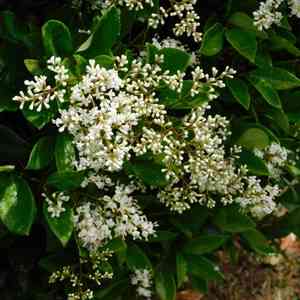
Creamy white flowers in terminal pyramidal panicles with unpleasant odor.
3
Flat, berry-like drupes transitioning from green to blue-black, measuring approximately 0.2 inches (5 mm).
4
Smooth, gray stem with large lenticels, branching extensively for a dense appearance.
5
Broad-ovate to ovate-oblong dark green leaves, 2-4 inches (5-10 cm) long, with 4-5 pairs of raised veins.

Scientific Classification of Japanese privet

Phylum
Vascular plants
Class
Dicotyledons
Order
Lamiales
Family
Olive
Genus
Privets
Species
Japanese privet

Planting and Growing of Japanese privet

Care Difficulty
Easy
Watering Schedule
Every 3 days
Sunlight Requirements
Full sun
Sunshine Duration
4-8 hours
Ideal Temperature
60-70℉
Soil Type
Potting Mix, Peat Mix
Soil pH
6.5-7.5
Fertilizer Type
Balanced
Pruning Season
Spring, Summer
Pruning Area
Branches, Leaves
Pruning Frequency
2 times a year
Repotting Season
Spring
Pot Type
Plastic, Ceramic

water icon How to Water Japanese privet?

For Ligustrum japonicum, it is essential to maintain a moderate soil moisture level. Water thoroughly so that approximately 500 ml of water per plant is provided each time. Ensure the water penetrates the soil uniformly, allowing the excess to drain to avoid root rot.
What are the symptoms of an underwatered Japanese privet?
What should I do if my Japanese privet is not getting enough water?
What are the symptoms of an overwatered Japanese privet?
How to save an overwatered Japanese privet?

sunlight icon What Are the Sunlight Requirements for Japanese privet?

Sunlight Requirements: Full sun, Partial sun
Duration of light: 4 to 6 hours
Ligustrum japonicum thrives in full sun to partial sun environments, benefiting from vibrant growth and rich foliage coloration when these conditions are met.
Optimal Sun Exposure
Balancing Light Intensity
Adjusting to Seasonal Changes

temperature icon What Is the Ideal Temperature Range for Japanese privet?

Ideal Temperature: 60 ~ 70℉
Ligustrum japonicum prefers a temperature range between 60°F to 70°F (15°C to 21°C), where it can thrive and maintain optimal growth. This range ensures that the plant's metabolic processes function efficiently, such as photosynthesis and respiration, promoting healthy leaves and overall vigor.

soil icon What Soil is Best for Japanese privet?

Soil type: Loam, Sandy loam, Clay soil
Soil PH: 6.5 ~ 7.5
Ligustrum japonicum thrives in nutrient-rich soil, which provides essential minerals for healthy growth and vibrant foliage. A soil that is rich in organic matter supports strong root development and enhances the plant's resistance to diseases. This plant prefers well-draining soil to prevent root rot. Proper drainage ensures that excess water moves away from the root zone, maintaining aeration and minimizing the risk of fungal infections. The soil should retain enough moisture without becoming waterlogged. This balance helps sustain the plant during dry spells while preventing the roots from sitting in water, thus avoiding stress.

fertilize icon How to Fertilize Japanese privet?

Fertilizer type: Balanced
Ligustrum japonicum requires a moderate amount of fertilizer to reach its full potential. Typically, for liquid fertilizers, use a diluted solution at half strength every other watering session. For slow-release fertilizers, sprinkle a tablespoon around the base of the plant, ensuring it's well-incorporated into the soil. Too much fertilizer can lead to leaf burn, so moderation is key.

prune icon How to Prune Japanese privet?

Pruning Time: Spring, Summer, Autumn
Start by identifying dead or diseased branches. These should be removed first to prevent any potential spread of disease and to promote better growth. Trim back overgrown branches to maintain a desired shape and size. Cut just above a healthy bud to encourage new growth in the direction you want. If the plant is particularly dense, thin out some branches from the center to improve light penetration and air circulation, which fosters a healthier environment for growth.

propagate icon How to Propagate Japanese privet plant?

Propagate Time: Spring,Early summer
1
Choose healthy, young stems that are disease-free and show vigorous growth. These should be selected from the current year’s growth for better rooting success.
2
Using clean and sharp pruning shears, cut the chosen stems beneath a leaf node. Remove any lower leaves that would be submerged when planting, to prevent rot.
3
Dip the cut end in rooting hormone and plant in a potting mix. Ensure the medium is moist and maintain consistent watering without waterlogging to promote root growth.

repot icon How to Repot Japanese privet plant?

Repotting frequency: Every 2-3 years
1
You'll know it's time to repot your Ligustrum japonicum when you see roots emerging from the drainage holes or if the growth has slowed down significantly. These signs indicate that the plant is root-bound and needs more space to continue thriving. The best times for repotting are early spring or early autumn, when the plant is not actively flowering or under the stress of extreme temperatures.
2
Select a container that is just slightly larger than the current pot, typically 1 to 2 inches larger in diameter. This size allows the roots to expand without the excess water retention that a much larger pot might cause. Look for pots with adequate drainage holes to prevent waterlogging, which can lead to root rot.
3
Opt for a well-draining loamy soil that can hold moisture while still allowing excess water to flow away. This type of soil mix should retain enough moisture for the plant's needs but prevent the roots from sitting in water, thus reducing the risk of root rot. Incorporating organic matter like compost can enhance the soil's nutrient content.

PlantJoy - Identify plants with a snap

Find the best spots for them to optimize their health, simply using your phone.

Try for Free

Toxicity of Japanese privet

Is Japanese privet toxic to humans?

The Japanese privet possesses toxic characteristics that can pose a threat to humans if any parts of the plant are consumed. While symptoms are generally moderate, there are instances where they can escalate to severe levels or even result in fatality in extreme cases. The adverse effects stem from the harmful compounds found in the leaves and fruits. Reactions triggered by these toxic substances may include abdominal pain, headaches, nausea, diarrhea, vomiting, general weakness, low blood pressure, and clammy skin. As a widely used ornamental plant in gardens and yards, the Japanese privet is often within reach of children, who might unknowingly ingest portions of the plant and expose themselves to its dangers.

Is Japanese privet toxic to cat?

Japanese privet poses a moderate toxicity risk to cats. Felines may experience poisoning symptoms if they ingest any portion of the plant, as every part is toxic. Generally, a cat needs to consume significant quantities to show poisoning symptoms, which may present as physical discomfort or sickness. Importantly, if any signs of distress are noticed following the consumption of Japanese privet, it is essential to quickly seek veterinary assistance to safeguard the health and well-being of the affected feline.

Is Japanese privet toxic to dog?

Japanese privet presents a mild toxicity risk to dogs. Although the plant is not extremely toxic, consuming it in large amounts can result in poisoning. Any part of the plant is potentially harmful to dogs, as all sections are deemed toxic. Signs of poisoning may include gastrointestinal disturbances such as vomiting and diarrhea, and in more serious instances, additional symptoms may arise depending on the quantity consumed. It is essential for dog owners to keep a close watch on their pets and to prevent them from chewing on or eating japanese privet. If a dog does ingest japanese privet, it is crucial to obtain immediate veterinary assistance to ensure appropriate treatment and management of any possible poisoning.

Identify toxic plants for your safety

Learn which plants are harmful to you and your pets, and make informed choices for a safer home!

Try for Free
WARNING
The judgment on toxicity and danger is for reference only. We DO NOT GUARANTEE any accuracy of such judgment. Therefore, you SHALL NOT rely on such judgment. It is IMPORTANT TO SEEK PROFESSIONAL ADVICE in advance when necessary.