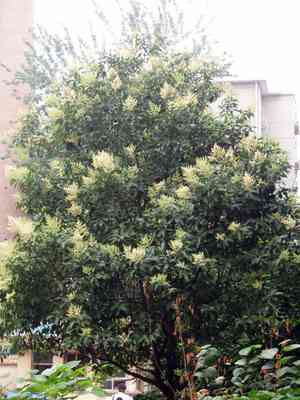
Glossy privet (Ligustrum lucidum)
Also known as: Chinese privet, Wax-leaf privet
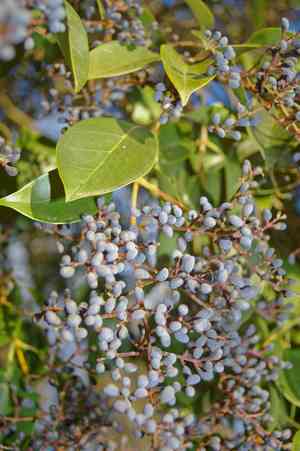
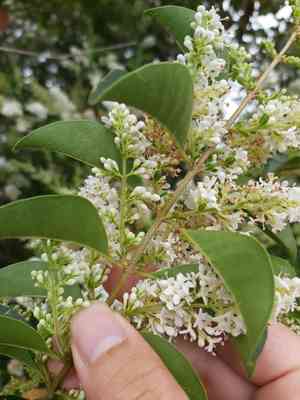
The glossy privet (Ligustrum lucidum) can be cultivated either as a shrub or a tree. This resilient, drought-resistant plant boasts shiny leaves and charming white blossoms. However, it's important to note that the flowers emit a potent fragrance, so you might want to ensure the scent is agreeable to you before planting. Additionally, be aware that the berries produced by the glossy privet are toxic if ingested.
Attributes of Glossy privet
Images of Glossy privet
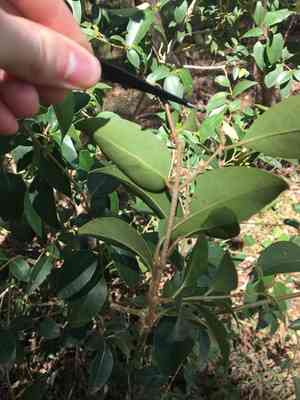
Quickly Identify Glossy privet
Scientific Classification of Glossy privet
Planting and Growing of Glossy privet
 How to Water Glossy privet?
 What Are the Sunlight Requirements for Glossy privet?
 What Is the Ideal Temperature Range for Glossy privet?
 What Soil is Best for Glossy privet?
 How to Fertilize Glossy privet?
 How to Prune Glossy privet?
 How to Propagate Glossy privet plant?
 How to Repot Glossy privet plant?
Toxicity of Glossy privet
Is Glossy privet toxic to humans?
The glossy privet is a poisonous plant that can trigger adverse reactions in individuals who consume, come into contact with, or even inhale its scent. The symptoms can range from moderate to severe and may potentially be life-threatening. Every part of the plant poses a risk, but the berries and leaves are particularly hazardous due to the glycosides present within them. Inhaling the fragrance of this plant can cause irritation to the nose and throat. Consuming the leaves and berries may lead to stomach pain, vomiting, diarrhea, and nausea, while skin contact with these parts may result in irritation and dermatitis. Although it serves as an attractive garden ornament, glossy privet can pose a significant risk to children who might easily access it, as they may mistakenly believe the plant is harmless.
Is Glossy privet toxic to cat?
Glossy privet presents a slight toxic risk to cats. The primary hazard occurs when a cat ingests substantial amounts of the plant's berries or foliage. Contact with glossy privet can lead to cats showing symptoms that reflect physical discomfort. The precise toxic substances in glossy privet are not the main concern; rather, it is the overall effect on feline well-being that should alarm cat owners. Considering that even mild poisons can lead to severe repercussions, it is crucial for owners to vigilantly observe their pets and to seek prompt veterinary assistance if there is any suspicion that their cat has consumed glossy privet. Taking such swift measures can lessen the impact of poisoning and help ensure the most favorable outcome for the affected pet.
Is Glossy privet toxic to dog?
Glossy privet carries a moderate toxicity risk for dogs, particularly when consumed in substantial quantities. The plant parts of greatest concern are its fruits and leaves, which contain harmful substances that can adversely impact canine health. Dogs may be drawn to these plant sections, consuming them out of curiosity or because they are readily available in gardens or parks where glossy privet thrives. Should a dog ingest a considerable amount of these toxic components, it may show signs of gastrointestinal distress, including vomiting, diarrhea, or more severe reactions depending on the volume ingested. It is vital for dog owners to observe their pets attentively and restrict access to glossy privet, especially during its fruiting period when the threat may be elevated. If poisoning from glossy privet is suspected, seeking immediate veterinary care is critical to facilitate swift treatment and reduce the risk of serious health issues.



