Chinese privet(Ligustrum sinense)

Chinese privet (Ligustrum sinense)

Also known as: Common privet, Small–leaved privet

The Chinese Privet (Ligustrum sinense) is a deciduous shrub valued by Chinese martial artists for its durable yet flexible shoots, ideal for crafting spears and darts. This versatile plant is also frequently grown as an ornamental shrub, used in hedgerows, and shaped into bonsai trees.

Attributes of Chinese privet

Lifespan
Perennial
Plant Type
Shrub
Plant Height
2 m to 7 m
Spread
3 m to 4.5 m
Leaf Color
Green
Flower Size
3.5 mm to 6 mm
Flower Color
White

PlantJoy - Identify plants with a snap

Identify and diagnose plants, get toxicity alerts, and explore safety guides for all types of fungi.

Try for Free

Images of Chinese privet

Chinese privet(Ligustrum sinense)

Quickly Identify Chinese privet

1
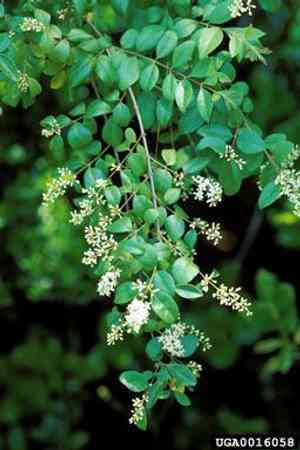
Opposite, elliptic 1-2 inch (2.5-5 cm) leaves
2
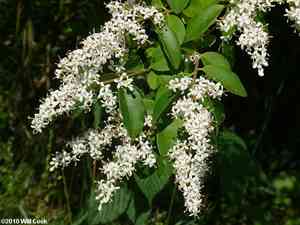
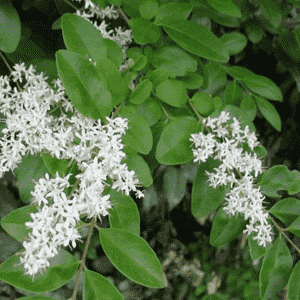
Creamy white, small flowers in terminal panicles
3
Spherical, black drupes in 0.3 inch (8 mm) clusters
4
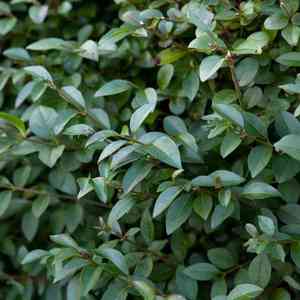
Glossy, dark green leaves with hairy midveins
5
Gray-yellow pubescent stems, bifurcating early

Scientific Classification of Chinese privet

Phylum
Vascular plants
Class
Dicotyledons
Order
Mints plantains olives and allies
Family
Olive
Genus
Privets
Species
Chinese privet

Planting and Growing of Chinese privet

Care Difficulty
Easy
Watering Schedule
Every 4 days
Sunlight Requirements
Full sun
Sunshine Duration
10-12 hours
Ideal Temperature
60-77℉
Soil Type
Potting Mix, Peat Mix
Soil pH
6-7.5
Fertilizer Type
Balanced
Pruning Season
Spring, Summer
Pruning Area
Branches, Leaves
Pruning Frequency
2 times a year
Repotting Season
Spring
Pot Type
Plastic, Ceramic

water icon How to Water Chinese privet?

For Ligustrum sinense, aim to water thoroughly until the soil is evenly moist, but not soggy. This typically means about 500 milliliters per session. The goal is to reach the root zone without water pooling excessively on the surface or running off. Ensure the pot has proper drainage to prevent waterlogging.
What are the symptoms of an underwatered Chinese privet?
What should I do if my Chinese privet is not getting enough water?
What are the symptoms of an overwatered Chinese privet?
How to save an overwatered Chinese privet?

sunlight icon What Are the Sunlight Requirements for Chinese privet?

Sunlight Requirements: Full sun, Partial sun
Duration of light: 4 to 6 hours
Ligustrum sinense thrives in both full and partial sun, benefiting from 4 to 6 hours of sunlight. Proper light helps achieve lush growth and robust health.
Is Ligustrum sinense suitable for full sun?
Can Ligustrum sinense tolerate partial sun?
How does proper lighting benefit Ligustrum sinense?

temperature icon What Is the Ideal Temperature Range for Chinese privet?

Ideal Temperature: 60 ~ 77℉
For optimal growth, Ligustrum sinense thrives in temperatures ranging from 60°F to 77°F. This range allows for robust photosynthesis and healthy plant development. Consistent warmth supports vigorous growth and foliage density. It is important to maintain these conditions to prevent stress and ensure the longevity of the plant.

soil icon What Soil is Best for Chinese privet?

Soil type: Loam, Sandy loam, Clay soil
Soil PH: 6 ~ 7.5
Ligustrum sinense thrives in soil that retains adequate moisture without being waterlogged. Good moisture retention ensures consistent hydration, supporting vigorous growth and preventing leaf drop. This plant benefits from nutrient-rich soil that provides essential minerals and organic matter. Such soil supports healthy development and lush foliage, enhancing the plant's aesthetic appeal. Well-drained soil prevents water accumulation around the roots, reducing the risk of rot. This offers optimal conditions for root health, promoting stability and nutrient uptake.

fertilize icon How to Fertilize Chinese privet?

Fertilizer type: Balanced
For Ligustrum sinense, it is important to use a balanced fertilizer with a ratio like 10-10-10. When applying liquid fertilizer, dilute it to half strength to prevent damage to the roots. Use approximately 1/4 cup for each plant during the growing season.

prune icon How to Prune Chinese privet?

Pruning Time: Spring, Summer, Autumn, Winter
Start by assessing the overall shape you desire for your Ligustrum sinense. Remove any dead or damaged branches with clean, sharp shears. Make your cuts just above a leaf node to encourage bushier growth. Focus on thinning out the plant by removing crossing branches to improve air circulation. Remember, the goal is to maintain its natural form while ensuring it doesn’t become too dense. If topiary shapes or hedges are your goal, use string lines or templates to guide your cuts. Start from the top and work downwards, ensuring even shapes and symmetrical designs. Regular trimming is crucial to maintain sharp edges and defined shapes. Maintain consistency by keeping tools sharp for precise cuts.

propagate icon How to Propagate Chinese privet plant?

Propagate Time: Spring, Late spring
1
Harvest seeds from mature Ligustrum sinense berries. Clean and dry them before planting in seed trays filled with a well-draining mix.
2
Select healthy stems and cut below a node. Remove lower leaves, dip in rooting hormone, and plant in a moist soilless mix.
3
Select a low-growing branch, bend it to the ground, cover the middle section with soil while keeping the tip exposed until roots develop.

repot icon How to Repot Chinese privet plant?

Repotting frequency: Every 2-3 years
1
Signs that your Ligustrum sinense needs repotting include roots growing out of the drainage holes, a noticeable decrease in growth rate, or the presence of compacted soil that hinders water drainage. Repotting is best done during Spring or Autumn when the plant can recover quickly.
2
Opt for a pot that is one size larger than the current one with ample drainage to prevent waterlogging. A good rule is to choose a pot that is at least two inches wider in diameter and allows for root growth. This ensures the roots have enough space to spread and absorb nutrients effectively.
3
Select a well-draining potting mix that might include components like perlite or sand to prevent compactness, providing the roots with proper aeration and access to nutrients. This choice helps in negating the chances of root rot and ensures vitality.

PlantJoy - Identify plants with a snap

Find the best spots for them to optimize their health, simply using your phone.

Try for Free

Toxicity of Chinese privet

Is Chinese privet toxic to humans?

Chinese privet is regarded as possessing toxic characteristics that can be detrimental to humans upon ingestion. The severity of effects can range from mild to moderate. The leaves and berries are identified as the toxic components of this plant. Symptoms resulting from the consumption of this plant may include abdominal pain, headaches, nausea, vomiting, diarrhea, hypotension, hypothermia, and general weakness. Given that these plants are frequently utilized as ornamental species in gardens, they may be readily accessible to children who might accidentally consume parts of the plant.

Is Chinese privet toxic to cat?

Chinese privet poses a slight toxicity risk to felines and can lead to health issues if a significant quantity is ingested. Generally, the plant's fruits and leaves contain toxic compounds that may adversely affect a cat's well-being. Ingestion of these parts in excessive amounts can trigger various symptoms that indicate physical discomfort. Given the nonspecific nature of these clinical signs, cat owners are advised to respond promptly and consult a veterinarian at the earliest indication of potential poisoning, to ensure proper treatment and a swift recovery.

Is Chinese privet toxic to dog?

Chinese privet presents a mild toxicity hazard to dogs, especially when they consume substantial amounts of the plant. The parts responsible for potential poisoning if ingested are the fruit and foliage. Dogs that have ingested chinese privet may show symptoms like gastrointestinal distress, vomiting, diarrhea, and abdominal discomfort. It is essential for dog owners to keep a close eye on their pets and to prevent them from eating large quantities of chinese privet. If a dog consumes chinese privet and exhibits symptoms of poisoning, it is critical to seek prompt veterinary assistance to facilitate proper treatment and symptom management.

Identify toxic plants for your safety

Learn which plants are harmful to you and your pets, and make informed choices for a safer home!

Try for Free
WARNING
The judgment on toxicity and danger is for reference only. We DO NOT GUARANTEE any accuracy of such judgment. Therefore, you SHALL NOT rely on such judgment. It is IMPORTANT TO SEEK PROFESSIONAL ADVICE in advance when necessary.