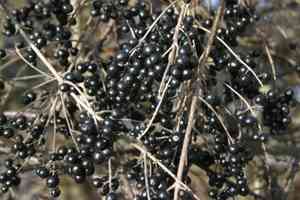
Wild privet(Ligustrum vulgare)

Wild privet (Ligustrum vulgare)

Also known as: Common privet

The common hawthorn (Crataegus monogyna) is a traditional plant used in English hedgerows but is sometimes replaced with more evergreen varieties. It has small, decorative white flowers that emit an unpleasant odor. The plant produces red, berry-like fruits that are toxic to humans but are consumed by birds, aiding in the dispersal of its seeds.

Attributes of Wild privet

Lifespan
Perennial
Plant Type
Shrub
Plant Height
1.5 m to 4.5 m
Spread
2.5 m to 4.5 m
Leaf Color
Green
Flower Size
4 mm to 6 mm
Flower Color
White

PlantJoy - Identify plants with a snap

Identify and diagnose plants, get toxicity alerts, and explore safety guides for all types of fungi.

Try for Free

Images of Wild privet

Wild privet(Ligustrum vulgare)

Quickly Identify Wild privet

1
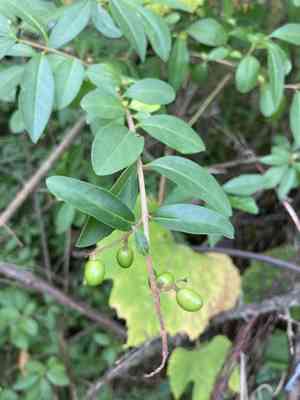
Opposite simple leaves, 2-4 inches (5-10 cm) long, slightly wavy with glossy surface.
2
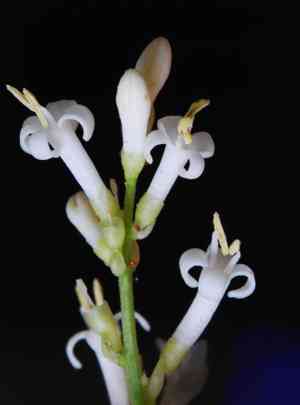
Clusters of small, creamy-white flowers with 4-parted, tubular blooms in terminal clusters.
3
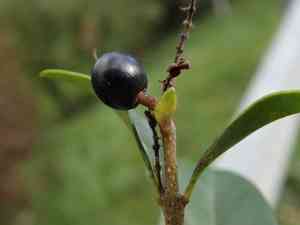
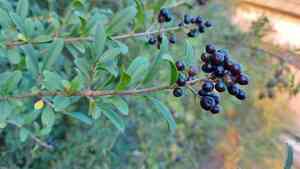
Small, spherical berries maturing to dark purple or black, persisting into winter months.
4
Smooth, pliable stem with gray to brown color, diameter 0.2-0.4 inches (5-10 mm).
5
Trunk with thin bark, transitioning from smooth to furrowed texture, in shades of gray to brown.

Scientific Classification of Wild privet

Phylum
Vascular plants
Class
Dicotyledons
Order
Mints plantains olives and allies
Family
Olive
Genus
Privets
Species
Wild privet

Planting and Growing of Wild privet

Care Difficulty
Easy
Watering Schedule
Every 4 days
Sunlight Requirements
Full sun
Sunshine Duration
6-10 hours
Ideal Temperature
60-75℉
Soil Type
Potting Mix, Peat Mix
Soil pH
6.5-7.5
Fertilizer Type
Balanced
Pruning Season
Spring, Summer
Pruning Area
Branches, Leaves
Pruning Frequency
2 times a year
Repotting Season
Spring
Pot Type
Plastic, Ceramic

water icon How to Water Wild privet?

For Ligustrum vulgare, water until the soil is thoroughly moist, but not soggy. A good rule of thumb is to provide around 500 ml each time, making sure the water reaches down to the root level without pooling on the surface.
What are the symptoms of an underwatered Wild privet?
What should I do if my Wild privet is not getting enough water?
What are the symptoms of an overwatered Wild privet?
How to save an overwatered Wild privet?
More About Watering Techniques

sunlight icon What Are the Sunlight Requirements for Wild privet?

Sunlight Requirements: Full sun, Partial sun
Duration of light: 4 to 6 hours
Ligustrum vulgare benefits from full to partial sun exposure. Ideal light encourages lush foliage, increases flowering, and enhances disease resistance.
What is the best light condition for Ligustrum vulgare?
How can you ensure Ligustrum vulgare gets the ideal lighting?
What benefits does ideal lighting provide Ligustrum vulgare?
More About Sunlight Requirements Techniques

temperature icon What Is the Ideal Temperature Range for Wild privet?

Ideal Temperature: 60 ~ 75℉
Ligustrum vulgare flourishes in a temperate climate where temperatures range from 60 to 75°F. This range promotes robust growth as it mimics the natural conditions of its native habitat. Within these temperatures, the plant efficiently conducts photosynthesis, leading to healthier development and a lush appearance. Introducing sudden changes outside this range can stress the plant and impact its overall wellbeing.

soil icon What Soil is Best for Wild privet?

Soil type: Loam, Clay soil, Sandy soil, Calcareous soil
Soil PH: 6.5 ~ 7.5
Ligustrum vulgare thrives in well-drained soils that prevent waterlogging, ensuring that the roots get adequate air and do not suffocate. This promotes healthy growth and reduces the risk of root rot. These plants require soil with moderate moisture content. Too dry and the plant might stress, hindering growth; too wet and it risks diseases. A balanced moisture level sustains steady growth and foliage health. A nutrient-rich substrate ensures Ligustrum vulgare gets the necessary minerals and nutrients for lush, vibrant growth. Fertile soil leads to denser foliage and improves flowering, enhancing the overall health and aesthetic of the plant. More About Soil

fertilize icon How to Fertilize Wild privet?

Fertilizer type: Balanced
For Ligustrum vulgare, the fertilizer amount should be carefully measured. Use approximately 50 grams (about 1.8 ounces) of balanced granular fertilizer per plant during its active growing seasons. Liquid fertilizers can be employed as a diluted solution at a quarter strength, to avoid any root burn. More About Fertilizing Techniques

prune icon How to Prune Wild privet?

Pruning Time: Spring, Summer
Begin by gathering sharp pruning shears, loppers, or hedge trimmers. Sharp tools make cleaner cuts and reduce plant stress. Choose based on the thickness of branches you intend to cut. First, eliminate any dead or diseased wood to keep the plant healthy. Cut back to healthy wood, checking that there is no discoloration or rot in the remaining branches. Trim the outer branches to maintain the desired height and shape. Focus on thinning the plant by cutting some of the inner branches to allow light and air to penetrate the shrub, promoting robust growth. During pruning, identify and remove branches that cross or rub against each other. This prevents damage and potential entry points for pests and illnesses. More About Pruning Techniques

propagate icon How to Propagate Wild privet plant?

Propagate Time: Spring,Late spring,Summer
1
Select a healthy, young shoot from the Ligustrum vulgare plant with a couple of leaves on it. Cut it at a 45-degree angle to increase the surface area for rooting. This helps in more efficient uptake of moisture and nutrients.
2
Dip the cut end of the cutting into a rooting hormone powder to stimulate root growth. Make sure to shake off any excess powder before planting the cutting to prevent any possible chemical burns to the plant.
3
Insert the prepared cutting into a pot filled with a well-draining potting mixture. Ensure that at least one node is buried under the soil to increase rooting chances. Water the soil lightly to settle it around the cutting.
More About Propagating Techniques

repot icon How to Repot Wild privet plant?

Repotting frequency: Every 2-3 years
1
Look for signs such as roots emerging from the drainage holes, slow growth, or inability to retain moisture, which indicate that it's time to repot Ligustrum vulgare. Spring and Autumn are the ideal seasons for this task, as the plant is actively growing but not at risk of heat stress.
2
Select a pot that is 1 to 2 inches larger in diameter than the current one, with adequate drainage holes. This size ensures that the roots have space to expand without overwhelming the plant. A pot with proper drainage prevents waterlogging and supports healthy root development.
3
Opt for a well-draining potting mix rich in organic matter. This ensures aeration and prevents root rot by allowing excess water to flow through. Such a soil mix supports robust growth and keeps the plant's roots healthy, providing the nutrients needed for its development.

PlantJoy - Identify plants with a snap

Find the best spots for them to optimize their health, simply using your phone.

Try for Free

Toxicity of Wild privet

Is Wild privet toxic to humans?

The leaves and berries of wild privet are loaded with saponins and glycosides. These parts are inedible, have an unpleasant taste, and can severely disrupt human digestive systems. It is essential to supervise small children and individuals with cognitive disabilities near this plant. Symptoms of ingestion may include diarrhea, vomiting, intestinal pain, colicky cramps, sore throat and colon, as well as intense nausea. This gastroenteritis typically lasts for several days. For humans, the experience is generally one of discomfort and distress. Ensure children are kept away from this hazardous plant.

Is Wild privet toxic to cat?

Wild privet, widely referred to as Wild privet, exhibits a low level of toxicity to cats. These furry companions face an increased risk when they ingest substantial amounts of the plant's fruits or foliage. After consuming wild privet, cats might show a range of physical distress, indicating possible poisoning. To ensure a cat's health remains intact, it is essential to keep an eye out for any symptoms of illness and swiftly obtain veterinary assistance as soon as any indicators appear. Prompt treatment at a veterinary facility is crucial for the recovery of the cat following potential interaction with wild privet.

Is Wild privet toxic to dog?

Wild privet presents a moderate toxicity hazard to dogs. If canines ingest substantial quantities of its fruits or leaves, they may experience poisoning. Symptoms following the consumption of wild privet can include gastrointestinal distress, vomiting, diarrhea, and fatigue. It is essential for pet owners to supervise their dogs and restrict their access to this plant to mitigate the risk of poisoning. Should a dog consume wild privet and show signs of discomfort, it is crucial to obtain prompt veterinary assistance to ensure adequate treatment and recovery.

Identify toxic plants for your safety

Learn which plants are harmful to you and your pets, and make informed choices for a safer home!

Try for Free
WARNING
The judgment on toxicity and danger is for reference only. We DO NOT GUARANTEE any accuracy of such judgment. Therefore, you SHALL NOT rely on such judgment. It is IMPORTANT TO SEEK PROFESSIONAL ADVICE in advance when necessary.
More About Toxic Techniques