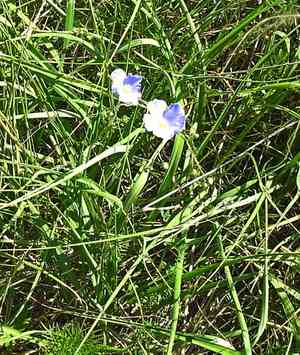
Blue Flax (Linum perenne)
Also known as: Lint
Blue Flax is a herbaceous perennial originally native to Europe. It blooms profusely over two to three months starting in late spring. Oil can be extracted from the seeds, though blue Flax produces less than half as many seeds as its annual relatives. Linen can be made from the stems.
Attributes of Blue Flax
Images of Blue Flax
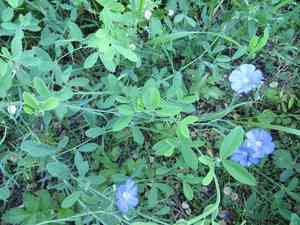

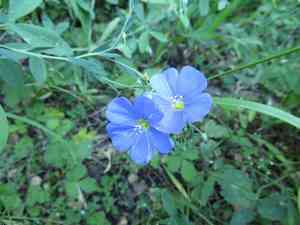
Quickly Identify Blue Flax
Scientific Classification of Blue Flax
Toxicity of Blue Flax
Is Blue Flax toxic to humans?
The blue Flax is capable of causing severe or even fatal poisoning when consumed. This plant's toxicity is attributed to a compound named linamarin, a cyanogenic glucoside that breaks down into highly lethal hydrogen cyanide within the human body. The seeds and the tops of the seedlings are recognized to hold the highest levels of this dangerous substance, although it is generally believed that the entire plant has poisonous properties. Symptoms of blue Flax poisoning typically begin with gastrointestinal distress (such as vomiting, nausea, and stomach cramps), which is then followed by headache, dizziness, rapid breathing, visual disturbances, and irregular heartbeat. In the most critical situations, this condition may lead to collapse and even death.
Is Blue Flax toxic to cat?
Blue Flax poses a toxicity threat to cats if eaten. Every part of the plant is harmful, which can result in poisoning when cats accidentally consume any portion of it. Should a cat ingest blue Flax, it may exhibit signs of physical discomfort and other illness symptoms that require urgent veterinary attention. To safeguard their pets, cat owners must keep a vigilant eye on their felines and restrict their access to blue Flax. If ingestion is suspected, it is crucial to seek immediate medical assistance at a veterinary clinic.
Is Blue Flax toxic to dog?
Blue Flax is recognized as a toxic species for dogs. Accidental consumption of this plant can lead to poisoning in dogs. Every part of the plant is deemed poisonous and poses a significant risk to canine well-being. If a dog consumes any portion of blue Flax, potential poisoning symptoms may manifest as gastrointestinal disturbances, vomiting, diarrhea, lethargy, or more severe clinical signs depending on the quantity ingested. It is essential for dog owners to restrict access to blue Flax and to vigilantly observe their pets for any unintentional intake. Should a dog ingest blue Flax, it is vital to seek immediate veterinary assistance to ensure the optimal outcome for the affected pet.

