
Formosan sweetgum (Liquidambar formosana)
Also known as: Formosan gum, Storax
The White Mulberry (Morus alba) is native to East Asia and thrives in moist soil. Its leaves are essential for feeding silkworms, and its wood is often used to craft tea chests. Additionally, the White Mulberry has a vigorous root system that can cause damage to concrete structures.
In This Article
Attributes of Formosan sweetgum
Lifespan
Perennial
Plant Type
Tree
Plant Height
30 m
Spread
8 m to 9 m
Leaf Color
Green
Flower Size
2.5 cm
Flower Color
Yellow Green
Images of Formosan sweetgum
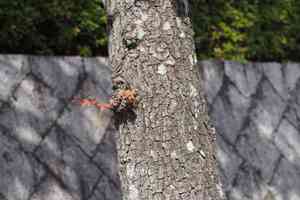

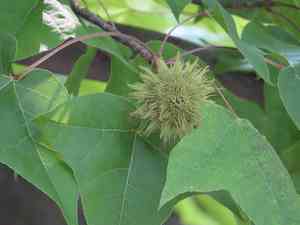
Quickly Identify Formosan sweetgum
1
Star-shaped leaves with vibrant fall colors
2
Pyramidal to rounded tree shape, up to 80 feet tall
3
Small, non-showy flowers in round clusters
4
Distinctive dark brown, soft fruiting balls
5
Rough-textured stem with corky projections
Scientific Classification of Formosan sweetgum
Phylum
Vascular plants
Class
Dicotyledons
Order
Saxifrages, stonecrops and allies
Family
Sweet gums
Genus
Sweetgums
Species
Formosan sweetgum
Planting and Growing of Formosan sweetgum
Care Difficulty
Easy
Watering Schedule
Every 3 days
Sunlight Requirements
Full sun
Sunshine Duration
6-10 hours
Ideal Temperature
60-77℉
Soil Type
Potting Mix, Peat Mix
Soil pH
5.5-7
Fertilizer Type
Balanced
Pruning Season
Spring, Summer
Pruning Area
Branches, Leaves
Pruning Frequency
2 times a year
Repotting Season
Spring
Pot Type
Plastic, Ceramic
 How to Water Formosan sweetgum?
Liquidambar formosana, also known as the Chinese sweetgum, requires careful watering to ensure its healthy growth. Aim to provide about 1500 milliliters of water per session, saturating the soil thoroughly without leaving it waterlogged. This ensures roots access essential moisture, while also allowing for oxygen exchange at the root level. A good rule of thumb is to observe the soil's surface ensuring it's moist but not soggy after watering.
What are the symptoms of an underwatered Formosan sweetgum?
›
What should I do if my Formosan sweetgum is not getting enough water?
›
What are the symptoms of an overwatered Formosan sweetgum?
›
How to save an overwatered Formosan sweetgum?
›
 What Are the Sunlight Requirements for Formosan sweetgum?
Liquidambar formosana flourishes in partial to full sun environments, promoting vibrant leaf coloration and structural robustness, contributing significantly to the visual appeal and healthy development of the tree.
More About Sunlight Requirements Techniques→
What is the ideal sun exposure for Liquidambar formosana?
›
How can I ensure Liquidambar formosana gets enough light?
›
Why is the right amount of light important for Liquidambar formosana?
›
 What Is the Ideal Temperature Range for Formosan sweetgum?
For optimum growth, Liquidambar formosana thrives in temperatures ranging from 60°F to 77°F. Maintaining this temperature range helps the plant carry out photosynthesis efficiently, promotes healthy leaf development, and supports robust root growth. Such conditions typically mimic the temperate environments where this species is naturally found.
 What Soil is Best for Formosan sweetgum?
Liquidambar formosana thrives in well-drained soil, which prevents waterlogging that could lead to root rot. Ensuring the soil is well-drained allows the roots to access oxygen efficiently, promoting healthy growth and vibrant foliage. This tree prefers soil that is rich in organic matter. Incorporating compost or well-rotted manure into your planting area provides essential nutrients, encourages beneficial microorganisms, and improves soil structure and drainage. The soil should be able to retain enough moisture to keep the roots hydrated but not so much that it becomes soggy. This balance ensures the tree remains healthy and strong, particularly during periods of drought.
 How to Fertilize Formosan sweetgum?
When fertilizing Liquidambar formosana, use a balanced fertilizer such as 10-10-10 or 20-20-20. Approximately 1 to 2 pounds per inch of trunk diameter is generally sufficient. Ensure the soil is moist before application to prevent root burn.
 How to Prune Formosan sweetgum?
Always wear appropriate protective gear, such as gloves and safety goggles, to safeguard against sharp tools and falling debris. Ensure you have a stable ladder if needed, and keep your tools in excellent condition to avoid accidents. Focus on removing dead, diseased, or crossed branches that can inhibit growth and air circulation. Start by identifying these problematic branches, then make clean, angled cuts close to the main trunk or a larger limb. This technique helps the tree heal efficiently and redirects energy to healthy growth.
More About Pruning Techniques→
 How to Propagate Formosan sweetgum plant?
1
To propagate from cuttings, select a healthy branch and cut a segment about 12-15cm long. Ensure the cutting has multiple leaf nodes, as these are crucial for root development. Remove the lower leaves to reduce moisture loss.
2
Collect mature seeds from the dried fruit in autumn and allow them to dry completely. Sow them in a well-draining potting mix and cover lightly with soil. Water gently to keep the soil moist but not waterlogged.
3
Dip the cut end of the cutting in rooting hormone before placing it in a pot filled with a mixture of peat and sand. This encourages faster root growth. Maintain humidity by covering the pot with a plastic bag, creating a mini greenhouse.
 How to Repot Formosan sweetgum plant?
1
Liquidambar formosana needs repotting when its roots start to circle the pot, or if you notice a significant slowdown in growth. Look for roots growing out of the drainage holes as a clear signal. Early spring or autumn is ideal, as moderate weather promotes recovery.
2
Opt for a pot just one size larger, ensuring good drainage with multiple holes at the bottom. A too-large pot retains excess moisture, risking root rot. A terracotta pot is beneficial as its porous nature allows soil to breathe, which is advantageous for root health.
3
Choose a well-draining loamy soil mix to maintain nutrient balance and ensure proper drainage. Mixing in sand or perlite can help prevent waterlogging. This soil type supports robust root growth and overall plant health, reducing the risk of fungal infections.



