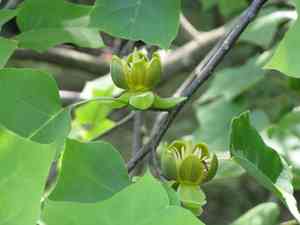
Chinese tulip tree (Liriodendron chinense)
Also known as: Chinese tulip tree, Chinese yellow poplar
The Chinese tulip tree (Liriodendron chinense) is named for its country of origin, China, and the tulip-shaped flowers it produces. This tall, columnar tree is popular in ornamental gardening around the world and has received the Award of Garden Merit from the British Royal Horticultural Society.
In This Article
Attributes of Chinese tulip tree
Lifespan
Perennial
Plant Type
Tree
Plant Height
40 m
Spread
11 m to 15 m
Leaf Color
Green Yellow
Flower Size
2.5 cm to 8 cm
Flower Color
Yellow Green
Images of Chinese tulip tree
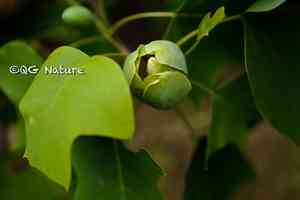
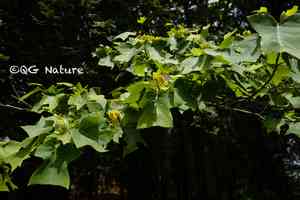
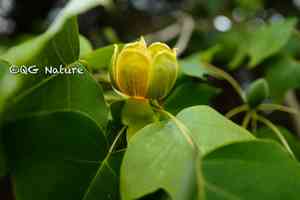
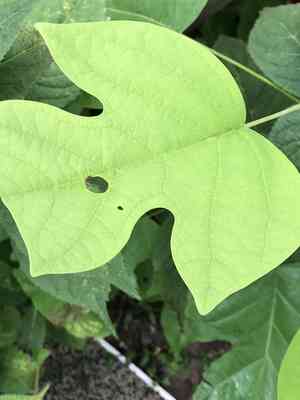
Quickly Identify Chinese tulip tree
1
Distinct bright green, deeply lobed leaves up to 8 inches (20 cm) long and wide.
2
Tulip-like flowers with greenish-white petals and orange base, blooming late spring to early summer.
3
Impressive stature, reaching 60-70 feet (18-21 meters) tall with a spread of 25-35 feet (7.5-10.5 meters).
4
Fruit appears as dry, scaly, oblong cone-shaped clusters with winged seeds for wind dispersal.
5
Cup-shaped flowers, about 1.5 inches (3.8 cm) long, with olive green petals transitioning to yellow at the base.
Scientific Classification of Chinese tulip tree
Phylum
Vascular plants
Class
Dicotyledons
Order
Magnolias, nutmegs, and allies
Family
Magnolia
Genus
Tulip trees
Species
Chinese tulip tree
Planting and Growing of Chinese tulip tree
Care Difficulty
Easy
Watering Schedule
Every 2 days
Sunlight Requirements
Partial sun
Sunshine Duration
6-10 hours
Ideal Temperature
68-77℉
Soil Type
Potting Mix, Peat Mix
Soil pH
6.5-7.5
Fertilizer Type
Balanced
Pruning Season
Spring, Summer
Pruning Area
Branches, Leaves
Pruning Frequency
2 times a year
Repotting Season
Spring
Pot Type
Plastic, Ceramic
 How to Water Chinese tulip tree?
The Chinese tulip tree requires approximately 500 ml of water each time you water it. Watering should be thorough enough to ensure that moisture reaches deep into the soil, promoting healthy root growth while avoiding waterlogging that could be detrimental to the plant.
What are the symptoms of an underwatered Chinese tulip tree?
›
What should I do if my Chinese tulip tree is not getting enough water?
›
What are the symptoms of an overwatered Chinese tulip tree?
›
How to save an overwatered Chinese tulip tree?
›
 What Are the Sunlight Requirements for Chinese tulip tree?
Partial sun is ideal, where it gets about 4-6 hours of light daily. This promotes healthy growth, supports photosynthesis, and ensures that the plant maintains vibrant foliage and blooms effectively.
More About Sunlight Requirements Techniques→
What is the ideal light condition for Liriodendron chinense?
›
What are the steps to achieve ideal lighting?
›
What benefits are observed with ideal lighting?
›
 What Is the Ideal Temperature Range for Chinese tulip tree?
The ideal temperature range for Liriodendron chinense is between 68°F and 77°F. Within this temperature range, the plant is likely to thrive, maximizing growth and showing healthy development. Maintaining these conditions ensures that the tree's physiological processes work efficiently, promoting vigor and resilience.
 What Soil is Best for Chinese tulip tree?
Liriodendron chinense thrives in well-drained soil that prevents waterlogging, essential for healthy root systems and nutrient uptake. Soil rich in organic matter is ideal as it enhances fertility, supports microbial activity, and improves moisture retention. Consistent soil moisture helps keep the tree vigorous, supporting its lush, green foliage and vibrant growth patterns.
 How to Fertilize Chinese tulip tree?
Liriodendron chinense, requiring a balanced nutrient supply, should be fed with a 10-10-10 NPK fertilizer. Liquid fertilizer applications should be at a rate of 1 tablespoon per gallon of water. For slow-release forms, apply approximately 1/2 pound per square foot of soil annually.
 How to Prune Chinese tulip tree?
Begin by cutting away any dead or diseased branches. Make your cut just outside the branch collar to allow for better healing. Trim back branches to maintain a balanced shape. Focus on keeping the tree open in the center to allow light and air to penetrate, reducing disease risk. Never remove more than a third of the tree's branches in one season. Over-pruning can stress the tree and lead to weak growth.
More About Pruning Techniques→
 How to Propagate Chinese tulip tree plant?
1
For seed propagation, prepare a well-draining potting mix. It is essential to ensure the soil is loose and well-aerated to encourage root growth and prevent waterlogging, which can lead to root rot.
2
Choose healthy, disease-free stems with at least two leaf nodes for cutting propagation. This is crucial as damaged or diseased cuttings can fail to root or carry diseases to new plants.
3
Plant seeds at a shallow depth in the prepared tray or pot. For cuttings, insert them into the soil deep enough to support the plant. This ensures stability and maximizes contact with soil for nutrient absorption.
 How to Repot Chinese tulip tree plant?
1
Liriodendron chinense should be repotted when you notice it becoming root-bound or water pooling on the surface without draining. Typically, it's good to consider repotting every 2-3 years, ideally during the growing seasons of spring or summer to accommodate its growth cycle.
2
Select a pot that's 1-2 inches larger in diameter to give roots room to grow. Terracotta or ceramic pots are advisable for their breathing properties, enhancing soil aeration and providing stability to this elegant tree's structure.
3
Opt for a rich, well-draining loam that supplies nutrients while allowing for adequate water drainage. This type of soil helps prevent root rot by ensuring excess moisture doesn't stagnate, thus supporting healthy growth.



