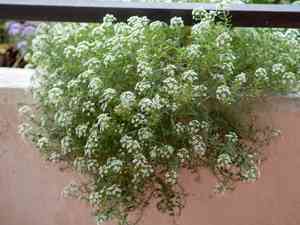
Sweet alyssum (Lobularia maritima)
Also known as: Sea-side madwort, Lobularia
Creeping Thyme (Thymus serpyllum) is a hardy perennial that stays low to the ground and spreads its branches across the soil, forming a dense, attractive mat. This makes it an ideal option for groundcover or bedding. With its small, aromatic leaves and charming little flowers, it adds both beauty and function to your garden.
In This Article
Attributes of Sweet alyssum
Lifespan
Annual, Perennial, Biennial
Plant Type
Herb
Plant Height
5 cm to 30 cm
Spread
20 cm to 30 cm
Leaf Color
Green Gray Silver
Flower Size
1.2 mm to 2.5 mm
Flower Color
White Purple Pink Lavender
Images of Sweet alyssum
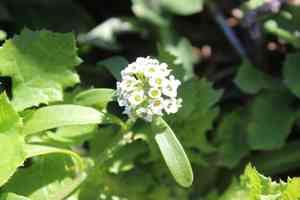
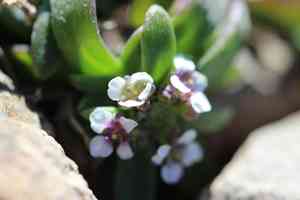
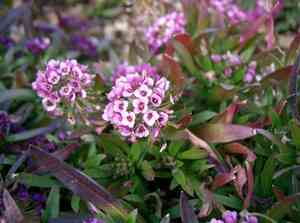
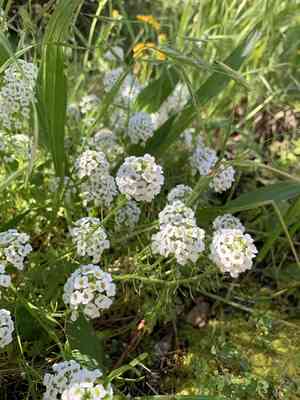
Quickly Identify Sweet alyssum
1
Compact growth habit, reaching 3-9 inches (7.6-22.9 cm) tall and spreading up to 12 inches (30.5 cm).
2
Small, ovate to lanceolate leaves densely packed along stems, with a gray-green color.
3
Tiny, four-petaled flowers in white, pink, or purple, measuring about 0.2 inches (5 mm) across.
4
Cream-colored, oval seed pods with a single yellowish seed, exhibiting a smooth to slightly textured surface.
5
Distinct lance-shaped oval leaves, 1 inch (2.5 cm) long, with a soft gray-green color.
Scientific Classification of Sweet alyssum
Phylum
Vascular plants
Class
Dicotyledons
Order
Mustards, capers, and allies
Family
Cruciferae
Genus
Lobularia
Species
Sweet alyssum
Planting and Growing of Sweet alyssum
Care Difficulty
Easy
Watering Schedule
Every 8 days
Sunlight Requirements
Full sun
Sunshine Duration
6-10 hours
Ideal Temperature
65-75℉
Soil Type
Potting Mix, Peat Mix
Soil pH
6.5-7.5
Fertilizer Type
Balanced
Pruning Season
Spring, Summer
Pruning Area
Branches, Leaves
Pruning Frequency
2 times a year
Repotting Season
Spring
Pot Type
Plastic, Ceramic
 How to Water Sweet alyssum?
Lobularia maritima thrives with moderate watering, ensuring the soil remains moist but not waterlogged. Water until the soil feels evenly moist at a 150 ml amount, being careful not to let the plant sit in standing water.
More About Watering Techniques→
What are the symptoms of an underwatered Sweet alyssum?
›
What should I do if my Sweet alyssum is not getting enough water?
›
What are the symptoms of an overwatered Sweet alyssum?
›
How to save an overwatered Sweet alyssum?
›
 What Are the Sunlight Requirements for Sweet alyssum?
Lobularia maritima thrives in partial to full sunlight with an ideal exposure range of 4-8 hours daily. Such conditions enhance photosynthesis, leading to prolific flowering and robust plant health.
More About Sunlight Requirements Techniques→
How much light does Lobularia maritima need?
›
What to do if the plant doesn't get enough light?
›
What happens if Lobularia maritima gets ideal light?
›
 What Is the Ideal Temperature Range for Sweet alyssum?
For optimal growth of Lobularia maritima, maintaining a consistent temperature range between 65°F and 75°F is ideal. This range supports healthy flowering and strong foliage development. Temperatures in this range allow the plant to efficiently perform photosynthesis, ensuring robust and vibrant blooms. Outside of this range, growth may slow, and flowering can become inconsistent. It is vital to ensure evening temperatures do not drop significantly lower than 65°F to avoid stress.
 What Soil is Best for Sweet alyssum?
Well-draining soil is crucial for Lobularia maritima, as it prevents root rot and other moisture-related issues. Adequate drainage ensures that the plant's roots don’t stay waterlogged, promoting healthier growth and vibrant blooms. Lobularia maritima thrives in soil that is moderately rich in nutrients. Providing a balance of essential nutrients supports vigorous growth and abundant flower production, enhancing the plant's ornamental value. Good soil aeration is vital for this plant's root system. Aerated soil allows roots to access oxygen more efficiently, supporting healthy root development and overall plant vitality.
More About Soil→
 How to Fertilize Sweet alyssum?
For Lobularia maritima, the fertilizer amount should be moderate. Given their smaller size and rapid growth, it's best to follow the package instructions and apply half the recommended concentration for liquid fertilizers. This ensures they receive the nutrients they need without overwhelming their system.
More About Fertilizing Techniques→
 How to Prune Sweet alyssum?
Begin pruning Lobularia maritima when the blooms start to fade. Using sharp scissors or pruning shears, cut back the stems by one-third their length. This helps in encouraging new growth and maintains the plant's shape. Always aim to cut just above a leaf node to stimulate more dense foliage. Repeat this process throughout the growing season to keep the plant tidy and blooming profusely.
More About Pruning Techniques→
 How to Propagate Sweet alyssum plant?
1
Use a light, well-draining soil mix for seed germination. Fill the seed tray with the mix, ensuring there are no clumps. This helps provide the right balance of moisture and aeration for seed sprouting.
2
Select a healthy parent plant and use the knife or scissors to cut a 3-4 inch stem below a node. Remove the lower leaves and plant the cutting in a moist, well-draining soil. This encourages root development.
3
After sowing seeds or planting cuttings, water immediately. Cover seed trays with plastic wrap to maintain humidity, and keep cuttings under a humidity dome if available to aid root formation.
 How to Repot Sweet alyssum plant?
1
Lobularia maritima, better known as sweet alyssum, signals the need for repotting when its roots start protruding from the drainage holes or if its growth becomes stagnated. Monitoring her vibrant blooms and lush foliage provides cues - a decrease in floral abundance might suggest that it's time for a cozier pot with fresh soil.
2
Selecting a pot for sweet alyssum is crucial. Opt for one that's just an inch or two larger in diameter to prevent overpotting, which may lead to root rot. The pot should have ample drainage to prevent waterlogging. A breathable material like terracotta is ideal as it helps regulate moisture and keeps your plant's roots healthy.
3
For Lobularia maritima, a well-draining potting mix with a blend of organic matter and aerating components like perlite works wonders. This mixture mimics its natural growing conditions, ensuring roots have the necessary aeration and moisture levels, while also providing essential nutrients for development.



