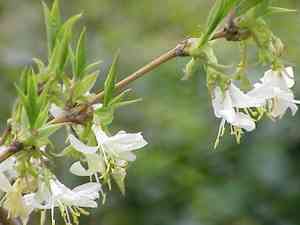
Winter honeysuckle (Lonicera fragrantissima)
Also known as: Fragrant honeysuckle, Chinese honeysuckle, Sweetest honeysuckle
The plant you're referring to is likely the Winter Honeysuckle (Lonicera fragrantissima). This sizable deciduous shrub is known for its strong, pleasant fragrance. Bees are drawn to its creamy white blossoms, but its berries are toxic.
Attributes of Winter honeysuckle
Images of Winter honeysuckle
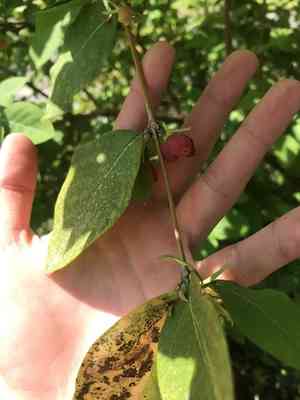
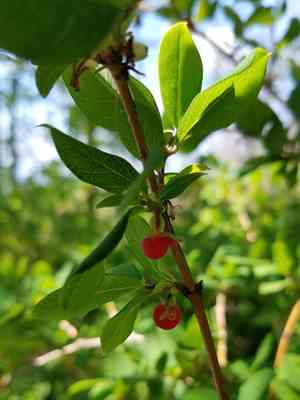
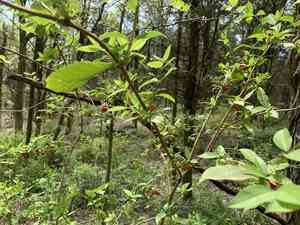
Quickly Identify Winter honeysuckle
Scientific Classification of Winter honeysuckle
Planting and Growing of Winter honeysuckle
 How to Water Winter honeysuckle?
 What Are the Sunlight Requirements for Winter honeysuckle?
 What Is the Ideal Temperature Range for Winter honeysuckle?
 What Soil is Best for Winter honeysuckle?
 How to Fertilize Winter honeysuckle?
 How to Prune Winter honeysuckle?
 How to Propagate Winter honeysuckle plant?
 How to Repot Winter honeysuckle plant?
Toxicity of Winter honeysuckle
Is Winter honeysuckle toxic to cat?
Winter honeysuckle poses a moderate risk of toxicity to cats. Ingestion of certain parts of the plant, particularly the fruits, can lead to toxic effects. A cat that consumes any part of winter honeysuckle may exhibit signs of physical distress or illness. It is essential to monitor for any changes in behavior or health; if ingestion is suspected, the cat should be taken to a veterinary clinic immediately for evaluation and care.
Is Winter honeysuckle toxic to dog?
The plant species known as winter honeysuckle is acknowledged to possess a moderate level of toxicity for dogs. Dogs can experience poisoning primarily through the ingestion of this plant. The toxic components are located in its fruits, which, if consumed, may lead to various adverse health effects in dogs. Pet owners should exercise caution and ensure that their dogs do not eat these fruits. Symptoms of poisoning can differ but may include gastrointestinal disturbances, such as vomiting, diarrhea, and potentially more serious reactions depending on the quantity ingested and the dog's individual sensitivity. It is vital for dog owners to keep a close watch on their pets and seek immediate veterinary assistance if they believe their dog has consumed any part of winter honeysuckle. Timely treatment is essential for effectively managing any possible poisoning.



