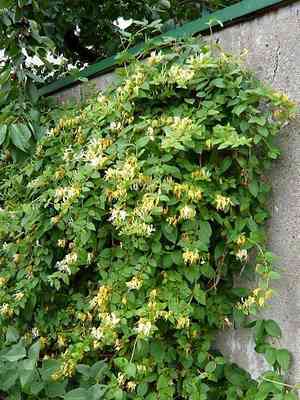
Japanese honeysuckle (Lonicera japonica)
Also known as: Honeysuckle vine
Japanese honeysuckle (*Lonicera japonica*) is a climbing vine originating from East Asia. It produces white to yellow flowers that release a sweet fragrance, attracting pollinators like honeybees. While some parts of the plant can be toxic to humans, it is popular in landscaping for use as groundcover due to its rapid growth and ability to suppress weeds, thereby enhancing soil quality.
Attributes of Japanese honeysuckle
Images of Japanese honeysuckle
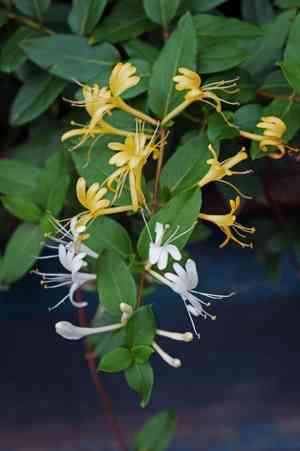
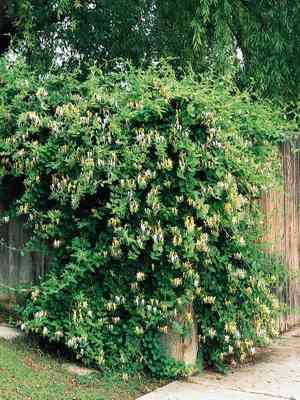
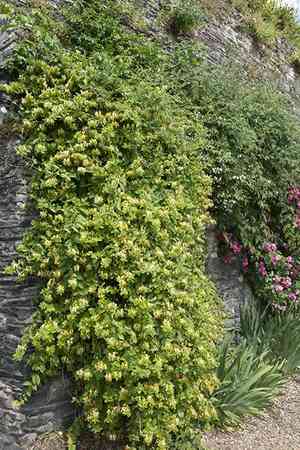
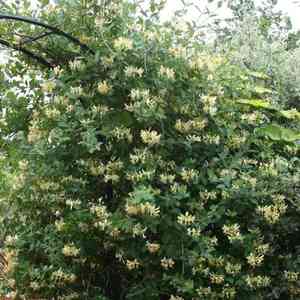
Quickly Identify Japanese honeysuckle
Scientific Classification of Japanese honeysuckle
Planting and Growing of Japanese honeysuckle
 How to Water Japanese honeysuckle?
 What Are the Sunlight Requirements for Japanese honeysuckle?
 What Is the Ideal Temperature Range for Japanese honeysuckle?
 What Soil is Best for Japanese honeysuckle?
 How to Fertilize Japanese honeysuckle?
 How to Prune Japanese honeysuckle?
 How to Propagate Japanese honeysuckle plant?
 How to Repot Japanese honeysuckle plant?
Toxicity of Japanese honeysuckle
Is Japanese honeysuckle toxic to humans?
Japanese honeysuckle can pose significant toxicity risks to humans when large amounts of its fruits are consumed. Symptoms associated with poisoning from these fruits may include vomiting, diarrhea, dilated pupils, cold sweating, increased heart rate, convulsions, respiratory distress, and even loss of consciousness. The risk of poisoning is particularly high in cases of unintentional ingestion by both children and adults, as the plant's sweet-tasting flowers can be tempting and edible.
Is Japanese honeysuckle toxic to cat?
Japanese honeysuckle poses a risk of toxicity to cats. Felines might unintentionally consume various parts of the japanese honeysuckle plant, including its fruits, leaves, or sap, which could result in poisoning. After exposure to this plant, a cat may display signs of physical discomfort. Although specific symptoms are not enumerated, any unusual behavior or indications of illness should be regarded with concern. Pet owners need to be vigilant and observe their pets for any signs of distress and should seek veterinary assistance immediately if they suspect poisoning from japanese honeysuckle, as timely intervention can be essential for the health and recovery of the affected cat.
Is Japanese honeysuckle toxic to dog?
The Japanese honeysuckle is regarded as a toxic plant for dogs. If dogs consume this plant inadvertently, they can suffer from poisoning. The hazardous components of Japanese honeysuckle encompass the fruits, leaves, and the sap or juice. Upon ingestion of any of these parts, a dog may display signs of poisoning, which can include gastrointestinal upset, respiratory distress, or other alarming clinical symptoms. It is essential for dog owners to keep a close watch on their pets and to restrict their access to Japanese honeysuckle. Should a dog consume Japanese honeysuckle, seeking immediate veterinary assistance is vital for effective management of the poisoning.



