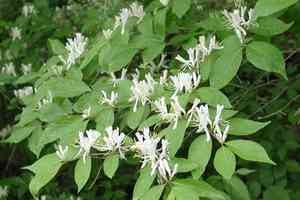
Amur honeysuckle (Lonicera maackii)
Also known as: Late honeysuckle
Amur honeysuckle (Lonicera maackii) is a perennial shrub with dense branching, dark green foliage, fragrant white flowers, and attractive red berries enjoyed by birds, which help disperse its seeds. Originally from East Asia, it was once popular for landscaping, wildlife habitat, and erosion control. However, its invasive tendencies have led to it being discouraged for planting. It aggressively outcompetes native vegetation, forming thick canopies that block sunlight, reducing native plant diversity and altering local ecosystems.
Attributes of Amur honeysuckle
Images of Amur honeysuckle
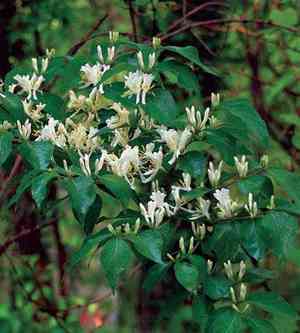
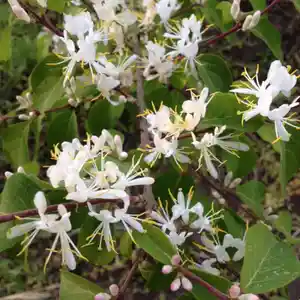
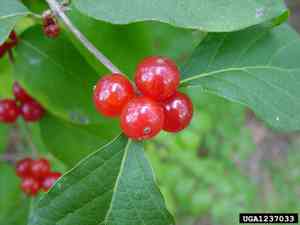
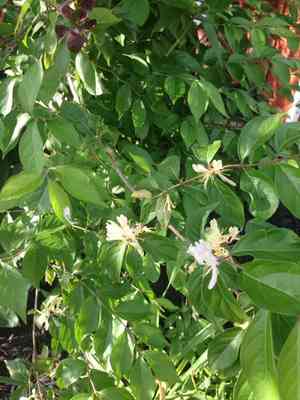
Quickly Identify Amur honeysuckle
Scientific Classification of Amur honeysuckle
Planting and Growing of Amur honeysuckle
 How to Water Amur honeysuckle?
 What Are the Sunlight Requirements for Amur honeysuckle?
 What Is the Ideal Temperature Range for Amur honeysuckle?
 What Soil is Best for Amur honeysuckle?
 How to Fertilize Amur honeysuckle?
 How to Prune Amur honeysuckle?
 How to Propagate Amur honeysuckle plant?
 How to Repot Amur honeysuckle plant?
Toxicity of Amur honeysuckle
Is Amur honeysuckle toxic to cat?
Amur honeysuckle possesses a mild level of toxicity to cats, with particular risks arising from the consumption of large quantities of the plant. The greatest danger is linked to the fruits, which could lead to various negative health effects in cats if eaten excessively. Although the exact toxic substances are not specified, it is vital for pet owners to observe any signs of discomfort or illness in their pets, as these may suggest possible poisoning. Cat owners should closely monitor their pets and swiftly seek veterinary assistance if they suspect their cat has ingested any parts of amur honeysuckle, thus safeguarding the health and safety of their feline companions.
Is Amur honeysuckle toxic to dog?
Amur honeysuckle carries a mild toxicity risk for dogs, particularly when they consume its fruits in excessive amounts. If dogs ingest substantial quantities of these toxic components, they may show signs of poisoning. Although the exact toxic agents are not specified, dog owners should remain alert for any indications of distress or irregular behavior following consumption. Common symptoms may involve gastrointestinal issues such as vomiting and diarrhea, alongside potential lethargy or more severe reactions depending on the amount ingested and the individual dog's sensitivity. It is essential for pet owners to oversee their dogs' access to amur honeysuckle, particularly during the fruiting season when the risk is greater. If a dog does consume parts of amur honeysuckle and displays symptoms of poisoning, immediate veterinary care is crucial for ensuring swift and appropriate treatment.



