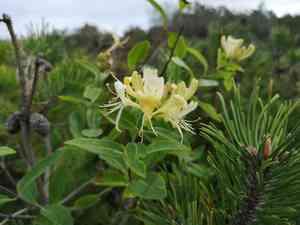
European honeysuckle (Lonicera periclymenum)
Also known as: Woodbine, Common honeysuckle
The European honeysuckle (Lonicera periclymenum) is indigenous to regions including Europe, North Africa, and Turkey. When the flowers first bloom, they are white or pale cream in color, and as they age, they transition to yellow. These flowers are highly fragrant during the night, drawing in moths and bees for pollination.
Attributes of European honeysuckle
Images of European honeysuckle
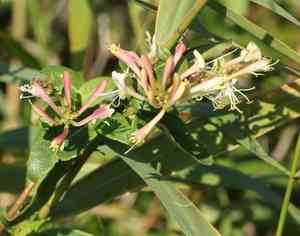

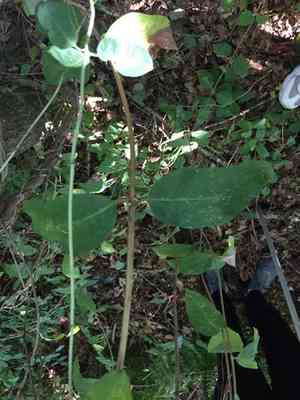
Quickly Identify European honeysuckle
Scientific Classification of European honeysuckle
Planting and Growing of European honeysuckle
 How to Water European honeysuckle?
 What Are the Sunlight Requirements for European honeysuckle?
 What Is the Ideal Temperature Range for European honeysuckle?
 What Soil is Best for European honeysuckle?
 How to Fertilize European honeysuckle?
 How to Prune European honeysuckle?
 How to Propagate European honeysuckle plant?
 How to Repot European honeysuckle plant?
Toxicity of European honeysuckle
Is European honeysuckle toxic to humans?
European honeysuckle produces vibrant red berries that are saturated with the plant's alluring sweet fragrance; however, they are extremely unpleasant in taste. Consuming a sufficient quantity of these berries, more so than other parts of the plant, can lead to significant digestive issues. The entire plant contains bitter-tasting saponins, with a particularly high concentration found in the berries. Ingesting an adequate amount of berries can trigger the typical human response to saponins, which includes nausea, abdominal pain, vomiting, and diarrhea. Usually, only supportive care is necessary, but if someone exhibits severe symptoms or if a small child is affected, it is crucial to contact your physician or a poison control center. These berries pose a notable risk to small children due to their sweet aroma and eye-catching color. If you have young children and cultivate European honeysuckle in your garden, ensure it is fenced off to prevent access or consider removing it entirely.
Is European honeysuckle toxic to cat?
European honeysuckle is recognized as toxic to cats. Poisoning typically happens when felines inadvertently consume certain parts of the plant, particularly the fruits. Following ingestion, cats may exhibit signs of physical discomfort that require urgent veterinary care. Given the potential severity of the effects on cat health, it is essential for pet owners to remain alert in restricting access to European honeysuckle and to quickly pursue medical assistance at a veterinary clinic if exposure occurs.
Is European honeysuckle toxic to dog?
European honeysuckle is known to be toxic to dogs. The plant can lead to poisoning, particularly if a dog consumes its fruits, which are identified as the toxic components of european honeysuckle. If a dog accidentally eats these fruits, it may display various symptoms, including vomiting, diarrhea, abdominal discomfort, and other indications of distress. It is vital for dog owners to keep a close watch on their pets and restrict their access to european honeysuckle, especially during the fruiting season when the likelihood of ingestion increases. Should a dog ingest any part of european honeysuckle, immediate veterinary assistance is crucial to ensure timely treatment and minimize any negative health impacts.



