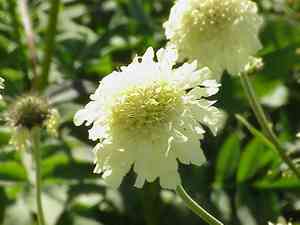
Box-leaved honeysuckle (Lonicera pileata)
Also known as: Box-leaved Honeysuckle
The shrub in question is a low-growing, ground-covering plant that reaches up to 1 meter in height. It features small, glossy leaves, ranging from 1 to 3 cm in length, which remain evergreen in regions with mild winters. During spring, it produces white, tubular flowers that are later succeeded by purple berries.
In This Article
Attributes of Box-leaved honeysuckle
Lifespan
Perennial
Plant Type
Shrub
Plant Height
61 cm to 91 cm
Spread
1.5 m to 2.5 m
Leaf Color
Green
Flower Size
2.5 cm
Flower Color
White Yellow Cream
Images of Box-leaved honeysuckle
Quickly Identify Box-leaved honeysuckle
1
Low-lying, spreading habit with rooting branches aids in ground coverage.
2
Tiny, paired yellowish-white flowers with subtle fragrance bloom in spring.
3
Translucent purplish to black cap-shaped berries are slightly toxic and attractive to wildlife.
4
Dark green glossy leaves, 0.5-1 inch long, with subtle reticulate veining.
Scientific Classification of Box-leaved honeysuckle
Phylum
Vascular plants
Class
Dicotyledons
Order
Dipsacales
Family
Honeysuckle
Genus
Honeysuckles
Species
Box-leaved honeysuckle
Planting and Growing of Box-leaved honeysuckle
Care Difficulty
Easy
Watering Schedule
Every 3 days
Sunlight Requirements
Full sun
Sunshine Duration
4-8 hours
Ideal Temperature
50-68℉
Soil Type
Potting Mix, Peat Mix
Soil pH
6.5-7.5
Fertilizer Type
Balanced
Pruning Season
Spring, Summer
Pruning Area
Branches, Leaves
Pruning Frequency
2 times a year
Repotting Season
Spring
Pot Type
Plastic, Ceramic
 How to Water Box-leaved honeysuckle?
For Lonicera pileata, the goal is to keep the soil consistently moist but not waterlogged. Each watering session should provide around 500 ml of water. It's essential to ensure the water reaches well through the soil, ensuring the roots get enough hydration, but be cautious to avoid standing water which can lead to root rot.
What are the symptoms of an underwatered Box-leaved honeysuckle?
›
What should I do if my Box-leaved honeysuckle is not getting enough water?
›
What are the symptoms of an overwatered Box-leaved honeysuckle?
›
How to save an overwatered Box-leaved honeysuckle?
›
 What Are the Sunlight Requirements for Box-leaved honeysuckle?
Lonicera pileata thrives best in full sunlight to partial sunlight. Ensuring at least 4 to 6 hours of light promotes lively green foliage and supports robust growth and health.
What is the ideal sunlight for Lonicera pileata?
›
How can I ensure Lonicera pileata receives ideal sunlight?
›
Why is ideal sunlight important for Lonicera pileata?
›
 What Is the Ideal Temperature Range for Box-leaved honeysuckle?
Lonicera pileata thrives best in environments with temperatures ranging from 50°F to 68°F. This range ensures optimal growth and development, allowing the plant to maintain vibrant foliage and healthy roots. Providing a stable and consistent temperature within this range minimizes stress and encourages robust flowering.
 What Soil is Best for Box-leaved honeysuckle?
Lonicera pileata thrives in soil that offers good moisture retention. Loamy soil, rich in organic matter, helps maintain the consistent moisture levels this plant loves, ensuring lush growth and healthy foliage. While moisture retention is important, equally crucial is proper drainage. Sandy loam, with its mixture of sand and clay, provides the perfect balance, preventing root rot by allowing excess water to escape easily. This keeps Lonicera pileata’s roots healthy. This plant benefits from nutrient-rich soil. Calcareous soil, often containing calcium carbonate, provides essential nutrients, enhancing the plant's resilience against pests and diseases and promoting vigorous growth.
 How to Fertilize Box-leaved honeysuckle?
Lonicera pileata requires a balanced approach to fertilizer application. For this plant, utilize a liquid fertilizer diluted to half strength every two weeks during the growing season. For granular fertilizers, follow the manufacturer's instructions but typically apply around 100 grams per square meter annually.
 How to Prune Box-leaved honeysuckle?
Lonicera pileata benefits from regular pruning, but excess cutting can stress the plant and lead to reduced flowering and leaf density. Aim to remove no more than a third of the plant's growth during any single pruning session. Consistently sanitize your pruning tools between each use to prevent disease spread. After pruning, water the Lonicera pileata well, and consider applying a balanced fertilizer to support regrowth and flowering.
More About Pruning Techniques→
 How to Propagate Box-leaved honeysuckle plant?
1
Choose a healthy stem from the mother plant that is about 10-15 cm long and free from disease or damage. The stem should be semi-hardwood for optimal rooting.
2
Remove leaves from the bottom half of the cutting to reduce water loss and dip the cut end into a rooting hormone to stimulate root growth.
3
Plant the cutting in a pot filled with a well-draining potting mix. Ensure it is firmed in and water lightly to settle the soil around the cutting.
 How to Repot Box-leaved honeysuckle plant?
1
If you notice roots coming out of drainage holes, it's a signal that Lonicera pileata needs repotting. Look for sluggish growth too. The ideal times are spring and autumn when the plant's growth cycle is at a manageable state.
2
Choose a pot slightly larger than the current one. Ensure it has proper drainage holes. This allows for root expansion and prevents waterlogging, promoting healthy root growth and overall plant wellness.
3
Opt for a well-draining loamy mix. This ensures roots have access to oxygen and reduces water retention, minimizing root rot risks. The soil should provide balance—neither too dense nor too loose.
Learn More About Box-leaved honeysuckle Diseases
Anthracnose
Bacterial Leaf Spot
Black Spot
Chemical Injury
Damping-off
Downy Mildew
Drought Stress
Fusarium Wilt
Gray Mold
Leaf Curl
Leaf Spot
Mosaic
Nutrient Deficiency
Nutrient Toxicity
Powdery Mildew
Root Rot
Root-knot Nematode
Rusts
Sooty Mold
Spider Mites
Temperature Stress
Thrips Damage
White Mold



