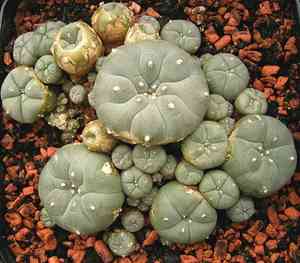
Peyote (Lophophora williamsii)
Also known as: Whiskey cactus
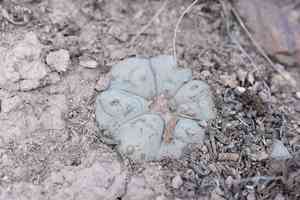
Peyote (Lophophora williamsii) is a small, thornless cactus with a rounded, button-like form. It features a smooth, bluish-green to grayish-green surface, typically adorned with fine, woolly tufts. As the cactus matures, these tufts enlarge and can take on a golden-yellow or dark brown hue.
The flowers of peyote are small and funnel-shaped, ranging in color from pale pink to white. They emerge from the top of the cactus during the summer months, opening during the day and closing at night. These blooms are followed by the development of small, elongated fruits that contain the plant's seeds.
Attributes of Peyote
Images of Peyote
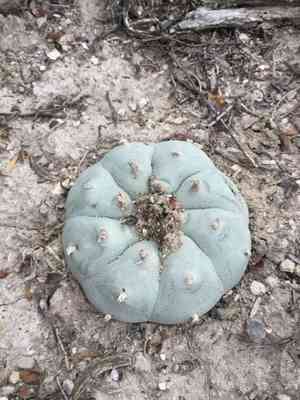
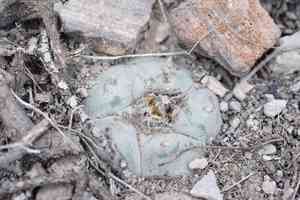
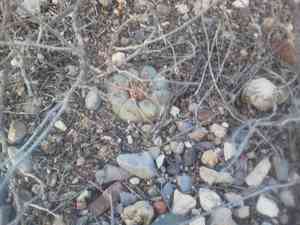
Quickly Identify Peyote
Scientific Classification of Peyote
Planting and Growing of Peyote
 How to Water Peyote?
 What Are the Sunlight Requirements for Peyote?
 What Is the Ideal Temperature Range for Peyote?
 What Soil is Best for Peyote?
 How to Fertilize Peyote?
 How to Prune Peyote?
 How to Propagate Peyote plant?
 How to Repot Peyote plant?
Toxicity of Peyote
Is Peyote toxic to cat?
Peyote presents a moderate toxic risk to cats, which means that pet owners must stay alert to prevent their feline companions from eating any portion of this plant. If cats ingest parts of peyote, they may suffer from physical ailments or exhibit symptoms of illness that suggest poisoning. Given that every part of peyote is toxic, any exposure should trigger prompt action—particularly if ingestion has occurred. Should you suspect your cat has ingested peyote and is showing signs of poisoning, it is vital to seek veterinary assistance without delay to secure the best outcome for your pet.
Is Peyote toxic to dog?
Peyote presents a moderate risk of toxicity to dogs. Poisoning usually arises when a dog ingests any part of the plant, which is alarming since all sections of peyote contain toxins. Upon consumption, a dog may show multiple signs that suggest poisoning. It is essential for dog guardians to keep a vigilant eye on their pets and to restrict their access to peyote. If a dog consumes any portion of this plant, prompt veterinary care is vital to achieve the best possible recovery for the impacted animal.



