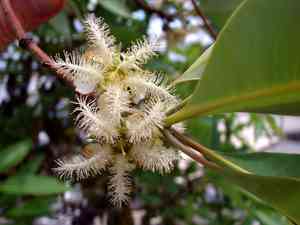
Vinegartree (Lophostemon confertus)
Also known as: Brush box, Brisbane box, Box scrub
The Brush Box (Lophostemon confertus), commonly known as Vinegartree, is indigenous to Australia and has also been cultivated in the United States. This tree is well-suited for urban environments due to its resilience against pollution, disease, pests, and drought. Additionally, it provides vital nourishment for the larvae of certain butterfly species.
In This Article
Attributes of Vinegartree
Lifespan
Perennial
Plant Type
Tree
Plant Height
15 m
Spread
10 m
Leaf Color
Green
Flower Size
2 cm to 3 cm
Flower Color
White
Images of Vinegartree


Quickly Identify Vinegartree
1
Evergreen tree reaching 30-40 feet (9-12 meters) with glossy lance-shaped leaves.
2
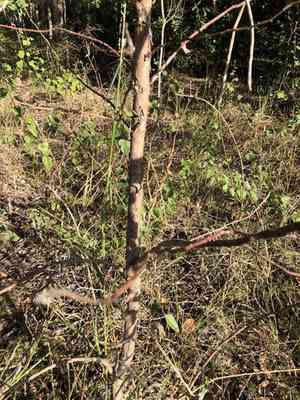
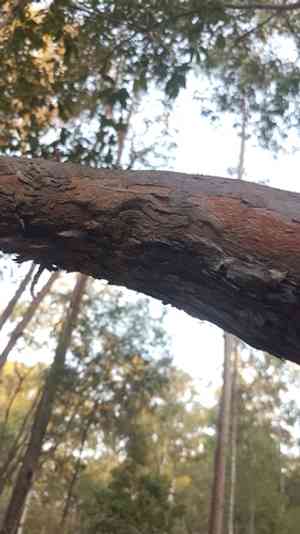
Distinctive reddish-brown bark peeling to reveal smooth gray underbark.
3
Symmetrical and dense rounded canopy with white feathery flowers in spring/summer.
4
Woody capsules develop from the white clustered flowers.
5
Robust growth rate in early stages and high drought tolerance once mature.
Scientific Classification of Vinegartree
Phylum
Vascular plants
Class
Dicotyledons
Order
Myrtales
Family
Myrtle
Genus
Lophostemon
Species
Vinegartree
Planting and Growing of Vinegartree
Care Difficulty
Easy
Watering Schedule
Every 3 days
Sunlight Requirements
Full sun
Sunshine Duration
4-8 hours
Ideal Temperature
60-80℉
Soil Type
Potting Mix, Peat Mix
Soil pH
6.5-7.5
Fertilizer Type
Balanced
Pruning Season
Spring, Summer
Pruning Area
Branches, Leaves
Pruning Frequency
2 times a year
Repotting Season
Spring
Pot Type
Plastic, Ceramic
 How to Water Vinegartree?
Lophostemon confertus, commonly known as the brush box, thrives when watered moderately. Ensure each watering session delivers approximately 500 milliliters of water. This amount ensures that the soil is moist but not waterlogged, preventing root damage. The goal is to mimic its natural habitat conditions, where the soil can hold moisture without becoming overly saturated.
What are the symptoms of an underwatered Vinegartree?
›
What should I do if my Vinegartree is not getting enough water?
›
What are the symptoms of an overwatered Vinegartree?
›
How to save an overwatered Vinegartree?
›
 What Are the Sunlight Requirements for Vinegartree?
Lophostemon confertus thrives in conditions of full sun with moderate partial shade. Adequate light ensures healthy photosynthesis, promoting vibrant growth, improved foliage density, and resilience against environmental stressors.
More About Sunlight Requirements Techniques→
What is the optimal location for Lophostemon confertus?
›
How to achieve ideal light conditions indoors?
›
What benefits come from receiving ideal light conditions?
›
 What Is the Ideal Temperature Range for Vinegartree?
The ideal temperature range for Lophostemon confertus is between 60°F and 80°F. Within this range, the plant can thrive and maintain healthy growth, as the temperatures closely mimic those found in its native subtropical and tropical environments. Such conditions ensure adequate metabolic processes and enable the plant to photosynthesize efficiently.
 What Soil is Best for Vinegartree?
Lophostemon confertus thrives in well-drained soil that prevents waterlogging, promoting healthy root development and reducing the risk of root diseases. This ensures a robust growth trajectory for the tree. This plant prefers a nutrient-rich soil that provides essential minerals and supports vigorous growth. A well-fertilized loamy soil enhances leaf color and overall vitality, ensuring the plant can achieve its maximum potential. The soil should maintain moderate moisture levels to sustain the tree's needs without excessive dryness or sogginess. Proper moisture balance is crucial to support photosynthesis and growth, especially during hotter months.
 How to Fertilize Vinegartree?
For Lophostemon confertus, a balanced 10-10-10 liquid fertilizer should be applied. Use 1/4 cup of diluted fertilizer per plant for optimum growth and good health. Be cautious to dilute the fertilizer according to package instructions to prevent root burn.
 How to Prune Vinegartree?
Start by removing any dead, diseased, or damaged branches. Lophostemon confertus benefits from thinning cuts to enhance air and light penetration. Make cuts just above a node to encourage new growth in a preferred direction. Aim for a well-spaced branching structure. Thin out sections where branches are crossing or rubbing against each other. Maintain an even canopy by selectively shortening longer branches to achieve uniformity. Regularly prune to shape the tree into an aesthetically pleasing form. Prioritize maintaining a single trunk and a clear, defined leader. Balance the crown by controlling lateral growth and shaping the apex.
More About Pruning Techniques→
 How to Propagate Vinegartree plant?
1
Gather ripe seeds from healthy Lophostemon confertus plants in the early spring. Ensure that the seeds are fully matured by looking for a slight color change or when they easily detach from the plant.
2
Select a healthy branch and use pruning shears to take a cutting about 10 cm long. Ensure that you make the cut just below a node, and remove any leaves from the lower half to reduce stress on the cutting.
3
For seeds, sow them in the seed tray and cover lightly with soil. For cuttings, dip the cut end in rooting hormone before planting it in a well-draining medium. Water carefully and keep the tray in a warm, bright spot without direct sunlight.
 How to Repot Vinegartree plant?
1
Lophostemon confertus usually requires repotting when you notice roots beginning to emerge from drainage holes, or the plant's growth seems stunted. Look for signs like yellowing leaves or the plant becoming top-heavy.
2
Select a pot slightly larger than the current one to give roots space to grow. Ensure it has good drainage to prevent waterlogging, which can lead to root rot.
3
Opt for a well-draining mix that contains sand or perlite. This type of soil ensures proper aeration and prevents water from accumulating around the root system, promoting healthier growth.



