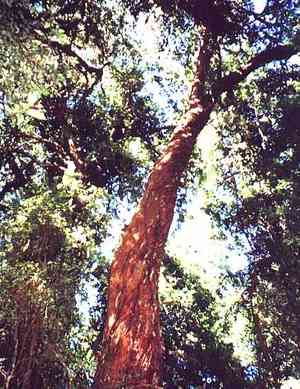
Chilean myrtle (Luma apiculata)
Also known as: Arrayan rojo, Temu
The Chilean myrtle (Luma apiculata) is an evergreen tree native to the central Andes of South America. Known for its slow growth, it rarely attains significant height. Its small, white flowers attract honeybees when in bloom. The species is protected in its natural habitat, and some trees can live up to around 650 years.
In This Article
Attributes of Chilean myrtle
Lifespan
Perennial
Plant Type
Tree
Plant Height
10 m to 20 m
Spread
4 m
Leaf Color
Green
Flower Size
1.2 cm
Flower Color
White
Images of Chilean myrtle
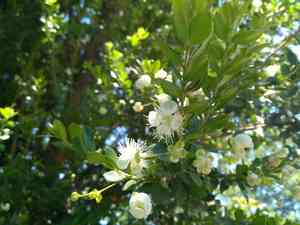
Quickly Identify Chilean myrtle
1
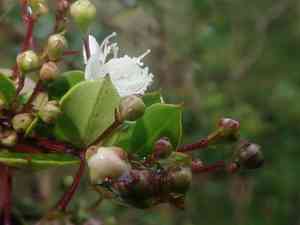
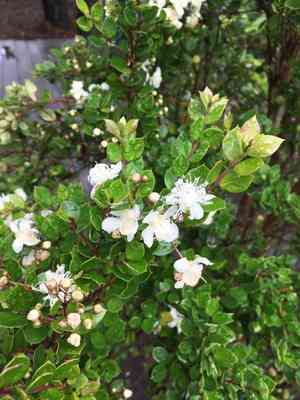
Glossy dark green leaves with pointed tips adorn this plant
2
Bark peels to reveal a striking cinnamon hue on mature specimens
Scientific Classification of Chilean myrtle
Phylum
Vascular plants
Class
Dicotyledons
Order
Myrtales
Family
Myrtle
Genus
Luma
Species
Chilean myrtle
Planting and Growing of Chilean myrtle
Care Difficulty
Easy
Watering Schedule
Every 3 days
Sunlight Requirements
Full sun
Sunshine Duration
6-12 hours
Ideal Temperature
60-75℉
Soil Type
Potting Mix, Peat Mix
Soil pH
6.5-7.5
Fertilizer Type
Balanced
Pruning Season
Spring, Summer
Pruning Area
Branches, Leaves
Pruning Frequency
2 times a year
Repotting Season
Spring
Pot Type
Plastic, Ceramic
 How to Water Chilean myrtle?
Luma apiculata enjoys consistent moisture but does not like to be waterlogged. Water them with about 500 ml, ensuring that the soil is evenly moist but not soggy. The goal is to maintain a balance so that the roots have access to water without being drowned. It's crucial that the top inch of soil is dry before the next watering.
What are the symptoms of an underwatered Chilean myrtle?
›
What should I do if my Chilean myrtle is not getting enough water?
›
What are the symptoms of an overwatered Chilean myrtle?
›
How to save an overwatered Chilean myrtle?
›
 What Are the Sunlight Requirements for Chilean myrtle?
Luma apiculata prefers a range of full to partial sunlight, which is ideal for its optimal health. Proper sunlight ensures strong growth, vibrant leaves, and ample flowers, enhancing its ornamental value.
More About Sunlight Requirements Techniques→
How much sunlight does Luma apiculata need?
›
What solutions can help in achieving ideal lighting conditions?
›
What are the benefits of providing ideal light conditions?
›
 What Is the Ideal Temperature Range for Chilean myrtle?
Luma apiculata thrives best when temperatures are between 60°F and 75°F. This range provides optimal conditions for its growth and health, ensuring adequate metabolic functions and photosynthesis processes for the plant. Such temperatures are reminiscent of its native habitat, allowing it to acclimate comfortably without stress.
 What Soil is Best for Chilean myrtle?
Luma apiculata thrives in soils that provide excellent drainage. It helps prevent root rot and other moisture-related problems, ensuring the plant remains healthy and vibrant. A nutrient-rich soil supports the vigorous growth of Luma apiculata. It supplies essential elements that encourage lush foliage and robust flowering. This plant prefers soils that retain moderate moisture. It enables the roots to absorb necessary water without becoming waterlogged, balancing hydration needs.
 How to Fertilize Chilean myrtle?
Luma apiculata doesn't require heavy fertilization; a balanced approach with moderate amounts ensures healthy growth. When using liquid fertilizer, apply about 2 tablespoons mixed in a gallon of water per plant. For slow-release granules, distribute them evenly around the plant base without exceeding 50 grams per plant per year.
 How to Prune Chilean myrtle?
Start by removing any dead, damaged or diseased branches. Look for branches that cross or rub against each other and trim them to maintain the natural shape. Shape your Luma apiculata by trimming it to encourage a desired structure. Focus on creating an open canopy that allows sunlight and air penetration, promoting healthy growth. Prune during late winter or early spring before the new growth starts. This timing ensures that the plant is not actively growing, which minimizes stress.
More About Pruning Techniques→
 How to Propagate Chilean myrtle plant?
1
Start by collecting seeds from mature Luma apiculata fruits. Clean the seeds thoroughly and allow them to dry. This step is crucial to prevent mold growth during storage.
2
In early spring, sow seeds in a well-draining potting mix. Ensure seeds are spaced appropriately to avoid overcrowding. Cover lightly with soil and water gently.
3
For cuttings, choose a healthy semi-hardwood branch during late spring. Cut a 4-6 inch section, remove the lower leaves, and dip the cut end in rooting hormone before planting.
 How to Repot Chilean myrtle plant?
1
Repotting Luma apiculata is best done when you notice roots coming out of the pot's drainage holes or when the plant becomes root-bound. This usually means the plant has outgrown its current pot and needs more space to expand. Another sign is the plant's slowed growth despite adequate care, indicating it's time for a change. Select a time when the plant is not flowering, ideally in the creating growth seasons of spring or summer.
2
Selecting the correct pot for your Luma apiculata is crucial for its health. Choose a pot that is one size larger than the current one, ensuring it has drainage holes to prevent waterlogging. The new pot should allow space for growth, while not being excessively large, as this can lead to root rot. Opting for a slightly larger pot will promote healthy root system development and prevent quick drying of the soil.
3
For the Luma apiculata, choose a well-draining loamy soil blend to ensure good aeration and prevent excess moisture retention. This soil type allows sufficient water retention for nutrition while facilitating excess water to drain away, preventing root rot. Incorporating organic matter such as compost can help improve the soil structure and nutrient content, ensuring your plant thrives in its new environment.
Learn More About Chilean myrtle Diseases
Anthracnose
Bacterial Leaf Spot
Black Spot
Chemical Injury
Crown Gall
Damping-off
Downy Mildew
Drought Stress
Fusarium Wilt
Gray Mold
Leaf Curl
Leaf Spot
Mosaic
Nutrient Deficiency
Nutrient Toxicity
Powdery Mildew
Root Rot
Root-knot Nematode
Rusts
Sooty Mold
Spider Mites
Temperature Stress
Thrips Damage
White Mold



