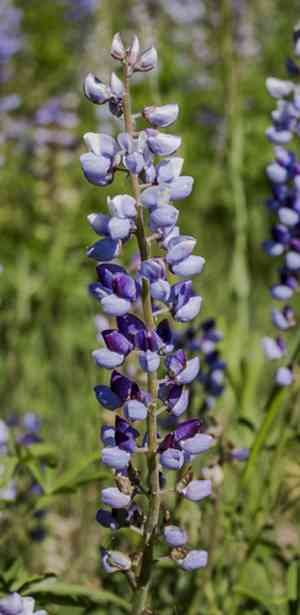
Wild Perennial Lupine (Lupinus perennis)
Also known as: Sundial Lupine, Indian Beet, Perennial Lupine
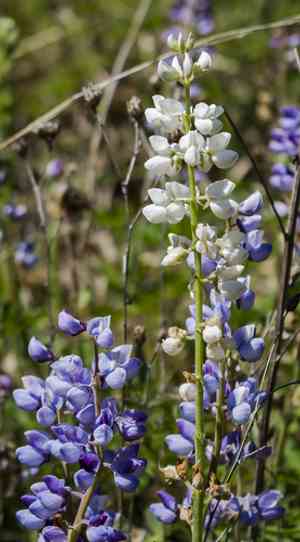
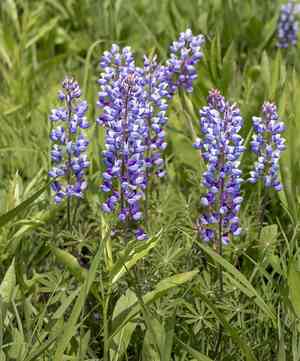
Wild Perennial Lupine produces flower clusters that can reach up to eight inches in length. The flowers are generally blue but can vary in shade from the bottom to the top of the cluster. Each flower has a pea-like shape, consisting of a banner petal, wing petals, and a keel petal. The plant's stems start off hairy but tend to become smoother as they mature.
Attributes of Wild Perennial Lupine
Images of Wild Perennial Lupine


Quickly Identify Wild Perennial Lupine
Scientific Classification of Wild Perennial Lupine
Planting and Growing of Wild Perennial Lupine
 How to Water Wild Perennial Lupine?
 What Are the Sunlight Requirements for Wild Perennial Lupine?
 What Is the Ideal Temperature Range for Wild Perennial Lupine?
 What Soil is Best for Wild Perennial Lupine?
 How to Fertilize Wild Perennial Lupine?
 How to Prune Wild Perennial Lupine?
 How to Propagate Wild Perennial Lupine plant?
 How to Repot Wild Perennial Lupine plant?
Toxicity of Wild Perennial Lupine
Is Wild Perennial Lupine toxic to humans?
The wild Perennial Lupine is regarded as a toxic plant, exhibiting low toxicity risk when consumed. The seeds are the sole component of the plant that poses a threat to human health. These seeds contain various potentially dangerous alkaloids, including lupinine, anagyrine, sparteine, and hydroxylupanine; however, poisoning primarily occurs only from ingesting the seeds in exceptionally high quantities. Common symptoms associated with these toxic compounds include reduced heart rate, drowsiness, seizures, and respiratory complications, although cases of intoxication in humans are exceedingly uncommon and rarely documented.
Is Wild Perennial Lupine toxic to cat?
The Wild Perennial Lupine is known to possess mild toxicity for cats. Should a cat ingest this plant, especially in significant quantities, it might suffer from negative health effects, as every part of the Wild Perennial Lupine is toxic. Symptoms of distress can manifest and their severity may differ based on the amount consumed. Due to the poisoning risk, if there is any suspicion of a cat having ingested Wild Perennial Lupine, it is crucial to seek immediate veterinary care to safeguard their health and ensure timely treatment.
Is Wild Perennial Lupine toxic to dog?
Wild Perennial Lupine presents a mild toxicity risk to dogs. Although this plant is not highly poisonous, ingesting large amounts can result in toxic reactions. Dogs may be drawn to and nibble on various parts of the wild Perennial Lupine, which can cause negative health effects due to the toxic nature of the entire plant. Symptoms of poisoning from wild Perennial Lupine could include gastrointestinal distress, lethargy, and irregular heart rhythms. It is essential for dog owners to keep a vigilant eye on their pets and prevent them from consuming wild Perennial Lupine. Should a dog ingest a considerable quantity of wild Perennial Lupine, it is crucial to seek urgent veterinary assistance to optimize the chances of recovery for the animal.



