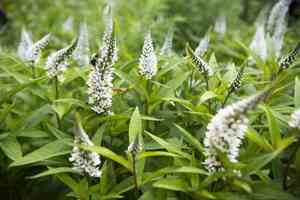
Gooseneck loosestrife (Lysimachia clethroides)
Also known as: Gooseneck yellow loosestrife, Shepherd's Crook
Gooseneck loosestrife (Lysimachia clethroides) is a hardy perennial known for its distinctive arching flower spikes that mimic the shape of a goose's neck. Native to China, it thrives in well-drained, moist soils and does well in both full sun and partial shade.
This plant is often used in gardens for its ornamental appeal and makes an excellent ground cover to prevent soil erosion. Florists frequently incorporate its unique flowers into cut arrangements. Managing its growth is essential to control its tendency to spread.
In This Article
Attributes of Gooseneck loosestrife
Lifespan
Perennial, Annual
Plant Type
Herb
Plant Height
60 cm to 1 m
Spread
60 cm to 1.2 m
Leaf Color
Green Gray Silver
Flower Size
12 cm
Flower Color
White
Images of Gooseneck loosestrife
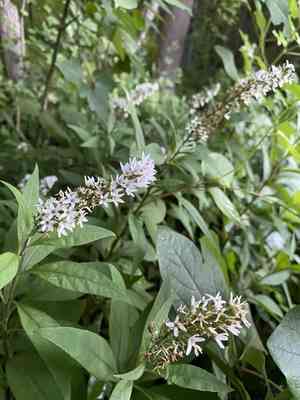
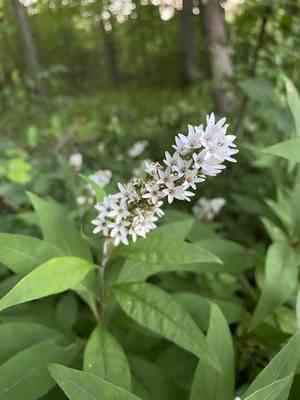
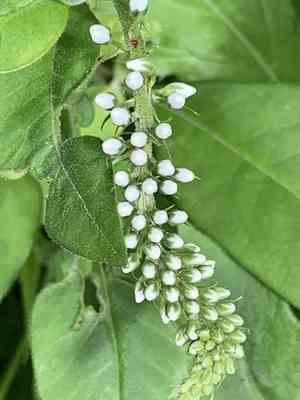
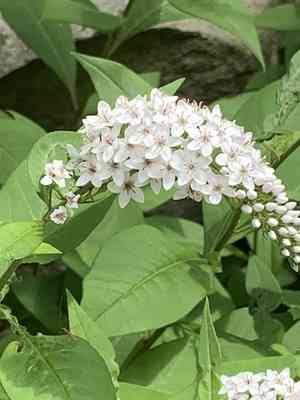
Quickly Identify Gooseneck loosestrife
1
Distinct 'goose's neck' inflorescence with chain of white star-shaped flowers.
2
Lush clump-forming foliage with lanceolate leaves up to 3-4 inches (7.5-10 cm) long.
3
Tall plant reaching 2-3 feet (60-90 cm) in height, creating a noticeable presence.
4
Tiny white star-shaped flowers densely packed on 12-18 inch (30-45 cm) long spikes.
5
Vibrant green leaves, 3-6 inches (7.5-15 cm) long with pointed tips and distinct vein pattern.
Scientific Classification of Gooseneck loosestrife
Phylum
Vascular plants
Class
Dicotyledons
Order
Ericales
Family
Primrose
Genus
Loosestrifes
Species
Gooseneck loosestrife
Planting and Growing of Gooseneck loosestrife
Care Difficulty
Easy
Watering Schedule
Every 8 days
Sunlight Requirements
Partial sun
Sunshine Duration
4-8 hours
Ideal Temperature
60-77℉
Soil Type
Potting Mix, Peat Mix
Soil pH
5.5-7.5
Fertilizer Type
Balanced
Pruning Season
Spring, Summer
Pruning Area
Branches, Leaves
Pruning Frequency
Once a year
Repotting Season
Spring
Pot Type
Plastic, Ceramic
 How to Water Gooseneck loosestrife?
Lysimachia clethroides, commonly known as gooseneck loosestrife, requires a consistently moist environment. Watering should be substantial enough to soak the soil thoroughly, aiming for around 400 ml per watering session. The goal is to maintain consistently moist soil, but not waterlogged, ensuring the plant remains healthy and vibrant.
What are the symptoms of an underwatered Gooseneck loosestrife?
›
What should I do if my Gooseneck loosestrife is not getting enough water?
›
What are the symptoms of an overwatered Gooseneck loosestrife?
›
How to save an overwatered Gooseneck loosestrife?
›
 What Are the Sunlight Requirements for Gooseneck loosestrife?
Lysimachia clethroides benefits from partial sun to full sun exposure, with an ideal period of 4-6 hours of sunlight daily. Proper lighting promotes healthy growth, better flowering, and increased resilience against environmental stresses.
More About Sunlight Requirements Techniques→
What kind of light does Lysimachia clethroides prefer?
›
How can I ensure ideal lighting for my plant?
›
What are the benefits of providing ideal lighting?
›
 What Is the Ideal Temperature Range for Gooseneck loosestrife?
Lysimachia clethroides thrives best in temperatures ranging from 60°F to 77°F. This range supports optimal physiological processes and promotes healthy growth, flowering, and foliage. Maintaining these temperatures can help avoid stress and disease in the plant.
 What Soil is Best for Gooseneck loosestrife?
Lysimachia clethroides thrives in well-drained soil, which prevents root rot by allowing excess water to escape easily. This requirement is crucial as it helps maintain healthy roots, promotes better growth, and enhances the plant's overall resilience. While well-drained, the soil should consistently retain some moisture to support Lysimachia clethroides. This balance aids in sustaining lush, vibrant growth, as the plant does not tolerate prolonged dryness. This plant benefits from soil enriched with organic matter, which boosts nutrient levels and improves soil texture. The increased fertility supports robust flowering and leafy growth, contributing to a healthier plant.
More About Soil→
 How to Fertilize Gooseneck loosestrife?
Lysimachia clethroides benefits from balanced fertilization. For liquid fertilizers, a solution diluted to half its recommended strength is ideal. This ensures that nutrients are provided without risking nutrient burn. For granular fertilizers, use about one tablespoon per square foot. This amount helps maintain a steady nutrient supply without overwhelming the plant.
More About Fertilizing Techniques→
 How to Prune Gooseneck loosestrife?
Begin your pruning by identifying and cutting back any dead, diseased, or damaged stems. This addresses any decay or infection that may compromise the plant's health and helps redirect the energy towards more vigorous portions of the plant. Once dead and damaged stems are removed, focus on shaping the plant. Trim back any overgrown branches to achieve a balanced and aesthetically pleasing form. Making cuts just above a leaf node will encourage bushier growth. To encourage bushier foliage, you can prune the tips of the stems. This pinching method stimulates the plant to develop more lateral shoots, contributing to a denser appearance.
More About Pruning Techniques→
 How to Propagate Gooseneck loosestrife plant?
1
Choose parent plants that are healthy and free of disease, as they will provide the best genetic material for propagation.
2
Prepare a growing medium such as a mix of peat and sand or a seed starting soil to provide the proper environment for rooting.
3
Dip the cut end of the cuttings into a rooting hormone and place them into the prepared medium, ensuring they remain upright and stable.
 How to Repot Gooseneck loosestrife plant?
1
Lysimachia clethroides shows it's time for repotting when roots start protruding from drainage holes, growth slows, or soil can't retain moisture. These indicators suggest the plant has outgrown its current pot, necessitating repotting for continued health.
2
Select a pot one size larger than the current one, with adequate drainage holes to prevent root rot. The growth room provided by a slightly bigger pot ensures the roots have space to expand, promoting stronger and healthier growth.
3
Choose well-draining loamy soil, enriched with organic matter. This allows for both sufficient drainage and nutrient retention, essential for healthy root development and sustained plant vitality, ensuring your Lysimachia thrives.



