Cucumber tree (Magnolia acuminata)
Also known as: Blue magnolia, Cucumbertree magnolia
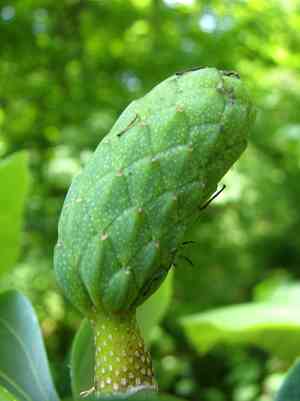
The cucumber tree (Magnolia acuminata) is a deciduous tree indigenous to eastern North America, with its largest specimens found in the southern Appalachian Mountains. It features greenish-yellow, sweet-scented flowers that resemble tulips. The tree gets its name from the cucumber-shaped seed cones that develop after the flowers drop.
In This Article
Attributes of Cucumber tree
Lifespan
Perennial
Plant Type
Tree
Plant Height
30 m
Spread
10 m
Leaf Color
Green
Flower Size
5 cm to 10 cm
Flower Color
Yellow Green
Images of Cucumber tree
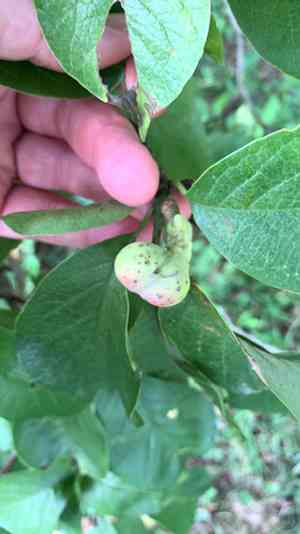
Quickly Identify Cucumber tree
1
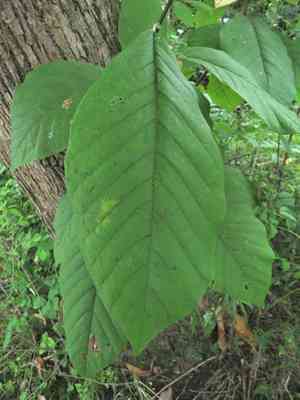
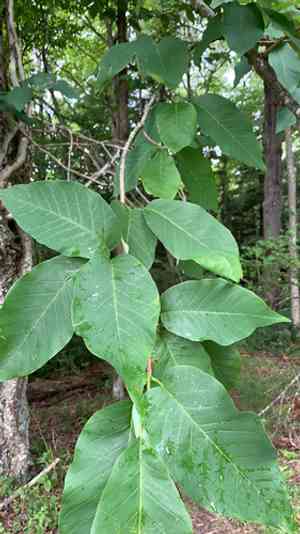
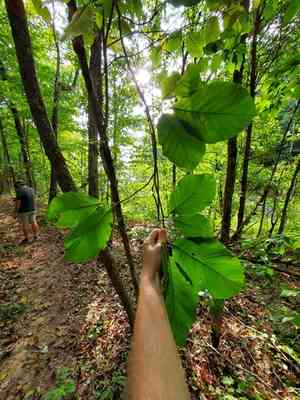
Distinct acuminate leaf tips define cucumber tree's deciduous identity.
2
Fruit transforms from green to red-brown, showcasing slender thread-hung seeds.
3
Reddish-brown stems emit unique spicy scent, adorned with gray lenticels.
4
Towering stature with pyramidal crown and shiny yellow-green leaves.
5
Dark gray-brown bark with corky texture and susceptibility to damage.
Scientific Classification of Cucumber tree
Phylum
Vascular plants
Class
Dicotyledons
Order
Magnoliales
Family
Magnolia
Genus
Magnolias
Species
Cucumber tree
Planting and Growing of Cucumber tree
Care Difficulty
Easy
Watering Schedule
Every 6 days
Sunlight Requirements
Full sun
Sunshine Duration
6-10 hours
Ideal Temperature
60-75℉
Soil Type
Potting Mix, Peat Mix
Soil pH
5.5-6.5
Fertilizer Type
Balanced
Pruning Season
Spring, Summer
Pruning Area
Branches, Leaves
Pruning Frequency
2 times a year
Repotting Season
Spring
Pot Type
Plastic, Ceramic
 How to Water Cucumber tree?
For Magnolia acuminata, ensure water penetrates the soil to a depth of at least 12 inches. This promotes deep root growth and ensures the plant gets the necessary moisture. It's important to water slowly and deeply, allowing the soil to absorb moisture effectively without causing runoff.
More About Watering Techniques→
What are the symptoms of an underwatered Cucumber tree?
›
What should I do if my Cucumber tree is not getting enough water?
›
What are the symptoms of an overwatered Cucumber tree?
›
How to save an overwatered Cucumber tree?
›
 What Are the Sunlight Requirements for Cucumber tree?
Magnolia acuminata ideally thrives in full sun to partial shade, requiring at least 6 hours of direct sunlight. Adequate light supports lush growth and prolific flowering, enhancing its ornamental value.
More About Sunlight Requirements Techniques→
How much light does Magnolia acuminata need?
›
How can I ensure ideal lighting conditions for my plant?
›
What are the benefits of ideal lighting for Magnolia acuminata?
›
 What Is the Ideal Temperature Range for Cucumber tree?
Magnolia acuminata thrives in temperatures that range from 60°F to 75°F. Within this range, the plant can perform photosynthesis efficiently, maintain healthy metabolism, and develop robust blossoms. It reflects typical spring to early summer conditions that the plant is naturally adapted to. Such temperatures also support optimal nutrient absorption from the soil.
 What Soil is Best for Cucumber tree?
Magnolia acuminata thrives best in well-drained soil conditions, which prevent root rot and ensure that nutrients are readily available to the plant. It helps maintain optimal moisture balance around the roots, enhancing the tree's growth and health. While Magnolia acuminata prefers well-drained soil, it also thrives in conditions where moisture is consistently available. This helps the plant to sustain its large leaves and vibrant blooms, providing the energy needed for significant growth. Magnolia acuminata enjoys nutrient-rich soils, supplying essential elements for robust growth. A fertile soil supplies the plant with adequate nitrogen, phosphorus, and potassium, fostering lush foliage and robust flowering.
More About Soil→
 How to Fertilize Cucumber tree?
For Magnolia acuminata, it is essential to maintain balanced nutrition. When using liquid fertilizers, apply at a rate of about half a teaspoon per gallon of water, ensuring even coverage over the soil. Solid fertilizers should be applied according to the product instructions, usually around one pound per 100 square feet, distributed evenly around the base of the tree. Be careful not to over-fertilize, as this can harm the plant.
More About Fertilizing Techniques→
 How to Prune Cucumber tree?
Start by removing any dead, damaged, or diseased branches. Next, eliminate crossing branches and those growing towards the center of the tree to improve air circulation. Cut branches at a 45-degree angle just above a bud or lateral branch. This helps the tree heal efficiently and maintain its attractive structure.
More About Pruning Techniques→
 How to Propagate Cucumber tree plant?
1
Gather seeds from mature Magnolia acuminata trees in late fall. Ensure the seeds are de-pulped and cleaned before storing them in a cool, dry place until planting.
2
Stratify Magnolia acuminata seeds by placing them in moist sand or sphagnum moss in a refrigerator for about 3 months to break seed dormancy.
3
Select healthy scion wood and rootstock during early summer. Use sterilized pruning shears to make clean cuts for optimal graft union.
 How to Repot Cucumber tree plant?
1
The ideal time to repot Magnolia acuminata is when you notice its roots coming out of the drainage holes or the soil becomes compacted. This indicates that the plant has outgrown its current pot and needs more space to thrive.
2
Select a pot that is 2-4 inches larger in diameter than the current one. This allows the roots more room to spread and supports continued growth. Ensure that the pot has ample drainage holes to prevent waterlogging, which can lead to root rot.
3
Opt for well-draining loamy soil rich in organic matter to provide excellent aeration and moisture retention. This type of soil ensures that your Magnolia acuminata receives the essential nutrients it needs for healthy growth while having its roots comfortably aerated.



