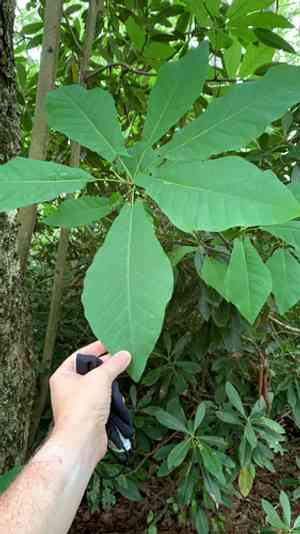
Fraser magnolia (Magnolia fraseri)
Also known as: Mountain magnolia, Earleaf cucumbertree
The Fraser magnolia, a small deciduous tree known for its large leaves and striking white flowers, is named after John Fraser. He was a Scottish botanist who conducted extensive studies on plant life in the Appalachian Mountains, where this tree is naturally found.
In This Article
Attributes of Fraser magnolia
Lifespan
Perennial
Plant Type
Tree
Plant Height
11 m to 22 m
Spread
10 m
Leaf Color
Green
Flower Size
15 cm
Flower Color
White Cream Yellow
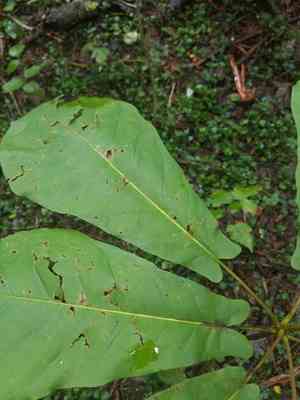
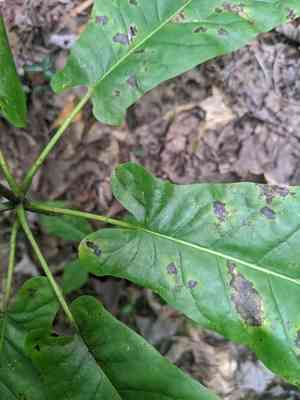
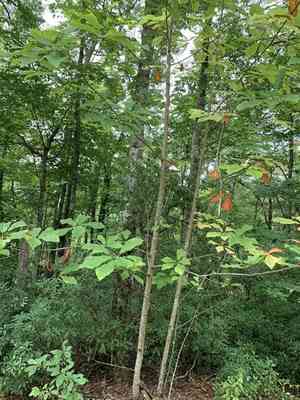
Images of Fraser magnolia
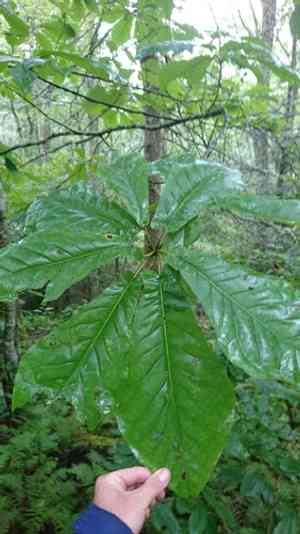
Quickly Identify Fraser magnolia
1
Large, sweetly fragrant flowers measuring 10-12 inches (25-30 cm) in diameter.
2
Distinctive oblong leaves with auriculate base and vibrant green color.
3
Cucumber-shaped fruit with red, glossy seeds, 4-5 inches (10-12.7 cm) long.
4
Smooth, purple winter buds and stout, glaucous flower stalks.
5
Smooth, grayish-brown trunk with warty lenticels for breathability.
Scientific Classification of Fraser magnolia
Phylum
Vascular plants
Class
Dicotyledons
Order
Magnoliales
Family
Magnolia
Genus
Magnolias
Species
Fraser magnolia
Planting and Growing of Fraser magnolia
Care Difficulty
Moderate
Watering Schedule
Every 2 days
Sunlight Requirements
Partial sun
Sunshine Duration
4-6 hours
Ideal Temperature
60-75℉
Soil Type
Potting Mix, Peat Mix
Soil pH
6.5-7.5
Fertilizer Type
Balanced
Pruning Season
Spring, Summer
Pruning Area
Branches, Leaves
Pruning Frequency
2 times a year
Repotting Season
Spring
Pot Type
Plastic, Ceramic
 How to Water Fraser magnolia?
For Magnolia fraseri, the watering amount is about 950 milliliters each time. The goal is to thoroughly moisten the soil without causing waterlogging. It is important to allow the soil surface to dry slightly between waterings, ensuring the roots have access to sufficient moisture but are not drowned.
What are the symptoms of an underwatered Fraser magnolia?
›
What should I do if my Fraser magnolia is not getting enough water?
›
What are the symptoms of an overwatered Fraser magnolia?
›
How to save an overwatered Fraser magnolia?
›
 What Are the Sunlight Requirements for Fraser magnolia?
Magnolia fraseri flourishes best under partial sun to full sun conditions where it receives approximately 4 to 8 hours of direct sunlight daily. This balance supports optimal growth, abundant flowering, and healthy, vibrant foliage.
More About Sunlight Requirements Techniques→
Question 1: What is the ideal light condition for Magnolia fraseri?
›
Question 2: How can one ensure Magnolia fraseri gets its ideal lighting condition?
›
Question 3: What benefits does Magnolia fraseri get from ideal lighting?
›
 What Is the Ideal Temperature Range for Fraser magnolia?
The ideal temperature range for Magnolia fraseri is between 60°F and 75°F. Within this range, the plant can maintain optimal growth and ensure healthy foliage and blooms. Temperatures outside of this range may affect its growth potential and overall health.
 What Soil is Best for Fraser magnolia?
Magnolia fraseri thrives best in nutrient-rich soil that provides essential minerals for robust growth. A rich substrate ensures vibrant blooms and fosters root health, allowing the plant to develop with vitality and resist diseases. Adequate drainage is vital as it prevents waterlogging, which can damage Magnolia fraseri. A well-drained substrate ensures oxygen reaches the roots, crucial for preventing root rot and promoting healthy, sustained growth. While good drainage is key, the soil should also retain enough moisture to keep the plant hydrated. Moisture-retentive properties help maintain consistent moisture levels, ensuring the Magnolia gets enough water without drowning.
 How to Fertilize Fraser magnolia?
For Magnolia fraseri, the recommended amount of liquid fertilizer is typically one ounce per gallon of water used for feeding. Solid, slow-release fertilizers are best measured according to the size of the tree, generally applying about two pounds per year for a mature specimen. Always follow product-specific guidelines to avoid over-fertilization.
 How to Prune Fraser magnolia?
Prune Magnolia fraseri in late winter or early spring before new growth begins. This timing allows the tree to heal quickly as it enters a period of active growth, reducing stress on the plant. When cutting branches, always cut back to a main branch or bud. Avoid leaving stubs, as these can become entry points for decay. Make cuts at a slight angle to prevent water from pooling on the cut surface, which can lead to rot.
More About Pruning Techniques→
 How to Propagate Fraser magnolia plant?
1
Start by filling a seed tray with a well-draining potting mix. Sow the Magnolia fraseri seeds on the surface and lightly cover with soil. Water gently and place in a location with indirect sunlight.
2
Select a healthy, woody stem from the mother plant. Using sterilized pruning shears, cut a 4-6 inch piece just below a node. Remove the lower leaves and dip the cut end in rooting hormone.
3
Once seedlings have grown strong enough, they can be transplanted. Carefully remove them from the seed tray, taking care not to damage the roots, and plant them in individual pots with appropriate soil.
 How to Repot Fraser magnolia plant?
1
Magnolia fraseri, also known as Fraser magnolia, needs repotting when its roots begin to circle within the pot or when growth slows noticeably, typically every one to two years. Ideally, repotting should be done in early spring before new growth starts, which allows the plant ample time to establish in its new container through the growing season.
2
Select a pot that is about 2-4 inches larger in diameter than the current one, with ample drainage holes. This prevents waterlogging, reducing the risk of root rot while giving roots plenty of space to expand and breathe, promoting healthy and vigorous growth.
3
Opt for a well-draining loamy soil mix, rich in organic material. This provides necessary nutrients while ensuring excess water drains efficiently, mimicking the plant’s natural habitat and preventing root suffocation or fungal diseases.



