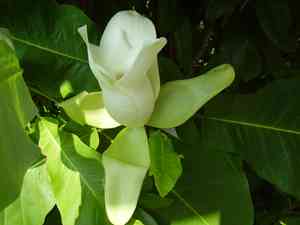
Bigleaf magnolia (Magnolia macrophylla)
Also known as: Umbrella tree
Bigleaf Magnolia (Magnolia macrophylla), native to North America, boasts the largest simple leaves on the continent. Its flowers are known for their pleasant fragrance.
In This Article
Attributes of Bigleaf magnolia
Lifespan
Perennial
Plant Type
Tree
Plant Height
15 m to 27 m
Spread
6 m to 9 m
Leaf Color
Green
Flower Size
35 cm to 50 cm
Flower Color
White Cream
Images of Bigleaf magnolia
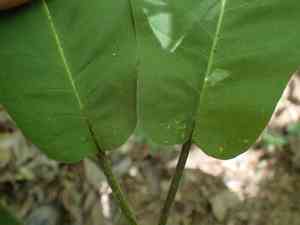
Quickly Identify Bigleaf magnolia
1
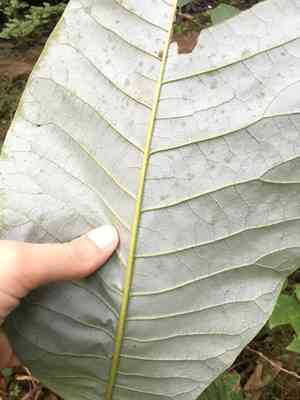
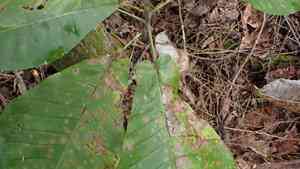
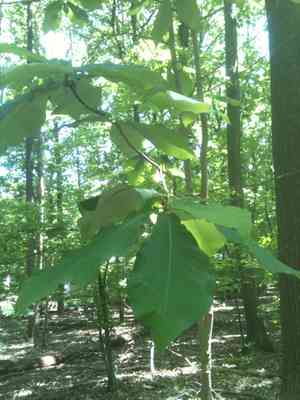
Gigantic leaves up to 3 feet (90 cm) long and 1 foot (30 cm) wide.
2
Creamy-white flowers with purple bases, 8-14 inches (20-35 cm) wide.
3
Unique red fruit, 2-3 inches (5-7.6 cm) long, with suspended seeds.
4
Silvery-gray, pubescent underside of leaves, contrasting with green upper surface.
5
Stout stem with silvery-haired buds, 1-2 inches (2.5-5 cm) thick.
Scientific Classification of Bigleaf magnolia
Phylum
Vascular plants
Class
Dicotyledons
Order
Magnoliales
Family
Magnolia
Genus
Magnolias
Species
Bigleaf magnolia
Planting and Growing of Bigleaf magnolia
Care Difficulty
Easy
Watering Schedule
Every 4 days
Sunlight Requirements
Partial sun
Sunshine Duration
4-8 hours
Ideal Temperature
60-75℉
Soil Type
Potting Mix, Peat Mix
Soil pH
6.5-7.5
Fertilizer Type
Balanced
Pruning Season
Spring, Summer
Pruning Area
Branches, Leaves
Pruning Frequency
2 times a year
Repotting Season
Spring
Pot Type
Plastic, Ceramic
 How to Water Bigleaf magnolia?
Magnolia macrophylla prefers being watered deeply and thoroughly. When watering, ensure the soil is saturated but not waterlogged, so about 1000 ml should suffice for each session.
What are the symptoms of an underwatered Bigleaf magnolia?
›
What should I do if my Bigleaf magnolia is not getting enough water?
›
What are the symptoms of an overwatered Bigleaf magnolia?
›
How to save an overwatered Bigleaf magnolia?
›
 What Are the Sunlight Requirements for Bigleaf magnolia?
Magnolia macrophylla does best in a light range of partial to full sun. Ideal lighting supports photosynthesis, promotes healthy blooms, and ensures lush foliage, contributing to overall plant vigor.
More About Sunlight Requirements Techniques→
How much sun does Magnolia macrophylla need?
›
What are some solutions to provide ideal light?
›
What benefits can ideal light bring to the plant?
›
 What Is the Ideal Temperature Range for Bigleaf magnolia?
For optimal growth, Magnolia macrophylla flourishes best in a temperature range between 60°F and 75°F. This range ensures the plant can photosynthesize efficiently while avoiding stress from extreme temperatures. Maintaining this ideal range encourages robust leaf development, healthy flowering, and overall plant vitality.
 What Soil is Best for Bigleaf magnolia?
Magnolia macrophylla thrives in soil types that can naturally retain moisture without becoming waterlogged. This condition helps the plant maintain healthy hydration levels, ensuring lush foliage and robust flowering. It is essential for this magnolia to have nutrient-rich soil that supports vigorous growth. Proper nutrients allow the plant to develop strong roots and produce large, beautiful flowers characteristic of this species. While moisture retention is important, it's equally crucial that the soil drains well. This helps prevent root rot and other water-related diseases, keeping the plant healthy and thriving.
 How to Fertilize Bigleaf magnolia?
Magnolia macrophylla requires a balanced amount of nutrients to thrive. Applying too much can lead to nutrient imbalance, while too little may stunt growth. Use approximately 1 tablespoon of a balanced 10-10-10 granular fertilizer per square foot twice a year for optimal growth.
 How to Prune Bigleaf magnolia?
Begin by assessing the tree's overall structure. Identify any dead, crossing, or diseased branches. Mark these branches for removal, ensuring you retain the tree's natural shape. Cut branches at the branch collar, the thickened area where the branch meets the trunk. This helps the tree heal faster and reduces the risk of disease. Trim any branches that hang too low to prevent obstruction. This helps improve air circulation and allows more light to penetrate the canopy, promoting healthy growth. Remove any suckers that may appear around the base of the tree. They divert energy away from the main growth and can hinder the desired shape and health of the plant.
More About Pruning Techniques→
 How to Propagate Bigleaf magnolia plant?
1
Before planting, Magnolia macrophylla seeds often require scarification to enhance germination. This involves nicking the seed coat with a file or soaking them in warm water to break dormancy.
2
To propagate via cuttings, select healthy, semi-hardwood sections of the magnolia plant. These should ideally be around 6 inches long and have several leaves. Remove any flowers or buds.
3
For grafting, it is essential to choose a compatible rootstock and scion. Ensure both are healthy and of similar diameter. Use clean, sharp tools to make precise cuts and secure them tightly together.
 How to Repot Bigleaf magnolia plant?
1
Magnolia macrophylla should be repotted when you notice its roots are circling the pot and escape through drainage holes. Growth slowing significantly can also be a signal. Optimally, conduct repotting in early spring, just when the plant begins its growing season, allowing it to recover quickly in the active period.
2
Select a pot that is slightly larger than the current one, approximately 2-4 inches wider in diameter. This provides ample space for further root growth without overwhelming the plant with a vast amount of new soil, which can hold too much moisture. Ensure that it has adequate drainage holes, which is crucial to prevent waterlogging and root rot.
3
Opt for a well-draining, loamy soil mix to keep the plant hydrated without suffocating the roots. This soil type provides the right balance of moisture retention while allowing excess water to drain away. It supports healthy root development, enhances aeration, and reduces the risk of fungal diseases.



