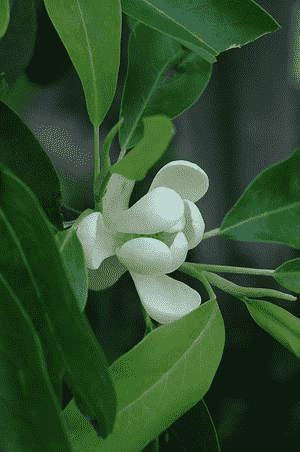
Sweetbay magnolia (Magnolia virginiana)
Also known as: Swamp magnolia, Beaver tree
Magnolia virginiana, commonly known as Sweetbay magnolia, is a deciduous tree in the magnolia family. It holds the distinction of being the first species described in the genus Magnolia. Sweetbay magnolia is often cultivated for ornamental purposes in gardens and parks, and its flowers are noted for their lovely vanilla fragrance.
In This Article
Attributes of Sweetbay magnolia
Lifespan
Perennial
Plant Type
Tree
Plant Height
30 m
Spread
3 m to 10 m
Leaf Color
Green Blue White Silver
Flower Size
8 cm to 14 cm
Flower Color
White Cream
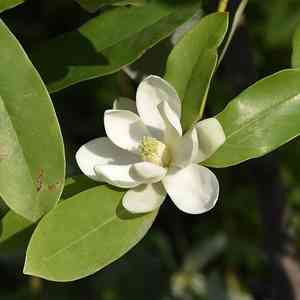
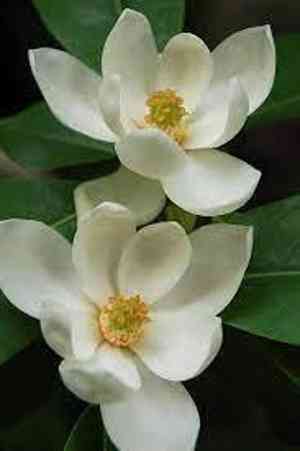
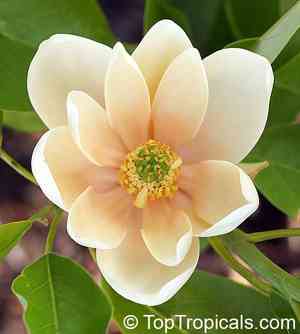
Images of Sweetbay magnolia
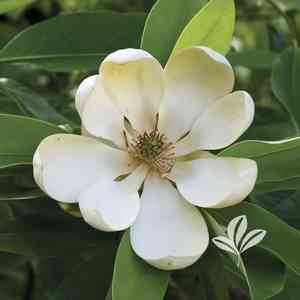
Quickly Identify Sweetbay magnolia
1
Distinct glossy, dark green leaves with silvery undersides for easy recognition.
2
Creamy white, fragrant flowers in 2-3 inch cups with 9-12 waxy petals.
3
Eye-catching cone-like fruit structures housing bright red seeds up to 2 inches.
4
Pale green, pubescent stems with stipule scars and green terminal buds.
5
Slender trunk with smooth, mottled bark in reddish-brown and gray hues.
Scientific Classification of Sweetbay magnolia
Phylum
Vascular plants
Class
Dicotyledons
Order
Magnoliales
Family
Magnolia
Genus
Magnolias
Species
Sweetbay magnolia
Planting and Growing of Sweetbay magnolia
Care Difficulty
Easy
Watering Schedule
Every 4 days
Sunlight Requirements
Full sun
Sunshine Duration
4-8 hours
Ideal Temperature
68-77℉
Soil Type
Potting Mix, Peat Mix
Soil pH
5.5-6.5
Fertilizer Type
Balanced
Pruning Season
Spring, Summer
Pruning Area
Branches, Leaves
Pruning Frequency
2 times a year
Repotting Season
Spring
Pot Type
Plastic, Ceramic
 How to Water Sweetbay magnolia?
Magnolia virginiana prefers consistently moist but well-drained soil. It is crucial to ensure that the root zone remains damp. When you water, aim for about 500 ml each time, allowing the water to soak deeply into the soil to reach the roots without creating waterlogged conditions.
More About Watering Techniques→
What are the symptoms of an underwatered Sweetbay magnolia?
›
What should I do if my Sweetbay magnolia is not getting enough water?
›
What are the symptoms of an overwatered Sweetbay magnolia?
›
How to save an overwatered Sweetbay magnolia?
›
 What Are the Sunlight Requirements for Sweetbay magnolia?
Magnolia virginiana thrives in 4-6 hours of partial sun, encouraging vibrant blooms and sturdy growth with adequate energy for photosynthesis.
More About Sunlight Requirements Techniques→
How much sunlight does Magnolia virginiana need?
›
What are the best locations for planting?
›
Why is this lighting important for its growth?
›
 What Is the Ideal Temperature Range for Sweetbay magnolia?
The ideal temperature range for growing Magnolia virginiana successfully is between 68°F and 77°F. This range ensures optimal growth, flowering, and overall plant health. Within this bracket, the plant can efficiently perform photosynthesis and other metabolic activities, contributing to its lush foliage and beautiful blooms.
 What Soil is Best for Sweetbay magnolia?
Magnolia virginiana thrives in moist, well-drained soil as it helps prevent root rot while ensuring adequate water supply. This type of soil mimics its natural swampy habitat, providing essential moisture without the risk of waterlogging. Preferring acidic soil, Magnolia virginiana's nutrient uptake is optimized at lower pH levels. This ensures that essential nutrients like iron and magnesium are readily available, supporting robust growth and vibrant foliage. Soils rich in organic content support the greater nutrient needs of Magnolia virginiana, enhancing its flowering potential. The presence of humus and decomposed plant materials mimics its native habitat and sustains its vigor.
More About Soil→
 How to Fertilize Sweetbay magnolia?
For Magnolia virginiana, applying the right amount of fertilizer ensures healthy growth. Use approximately 1 pound of 10-10-10 granular fertilizer per 100 square feet of soil area, aiming for a balance that supports its moderate nutritional needs. Over-fertilizing can cause lush but weak growth, whereas under-fertilizing might stunt its development.
More About Fertilizing Techniques→
 How to Prune Sweetbay magnolia?
Begin by removing any dead, diseased, or damaged branches. This clears up space and ensures that the plant's energy is focused on healthy growth. Use sharp shears to cut back to healthy tissue. Focus on maintaining the tree's natural shape. Trim away any awkward or misaligned branches to enhance the overall aesthetic of the Magnolia. Ensure you step back frequently to assess the shape and ensure a balanced appearance. Prune branches that are growing inward or too close together, as this can impede air circulation and potentially lead to fungal infections. Open up the canopy to allow sunlight and air to reach the inner branches.
More About Pruning Techniques→
 How to Propagate Sweetbay magnolia plant?
1
Collect the seeds from mature and healthy Magnolia virginiana plants. Ensure that the seeds are ripe; they should be full and slightly heavy, often obtained from fruit that is beginning to split open.
2
Select healthy stems from the Magnolia virginiana mother plant that are at least six inches long. Make sure to cut just below a node using sterilized pruning shears to avoid the spread of pathogens.
3
Choose a low, flexible branch from the plant. Bend the branch to the ground and secure it with soil, ensuring a portion of the branch's mid-section is buried to encourage rooting.
 How to Repot Sweetbay magnolia plant?
1
Look for signals such as roots protruding through the drainage holes or the soil drying out much faster than usual. These are signs that your Magnolia virginiana has outgrown its current container. Another indicator is if the plant appears stunted despite good care, which could mean it needs more root space.
2
Select a pot that is one to two inches larger in diameter than the current one. Ensure it has ample drainage holes to prevent waterlogging, which can lead to root rot. A slightly heavier pot can provide additional stability for this potentially larger plant.
3
Use a soil mix that is acidic and well-draining, ideally a combination of peat moss, pine bark, and sand. This mimics the Magnolia’s natural habitat and is vital for preventing root rot while allowing proper nutrient absorption.
Learn More About Sweetbay magnolia Diseases
Anthracnose
Bacterial Leaf Spot
Black Spot
Chemical Injury
Crown Gall
Damping-off
Downy Mildew
Drought Stress
Fusarium Wilt
Gray Mold
Leaf Curl
Leaf Spot
Mosaic
Nutrient Deficiency
Nutrient Toxicity
Powdery Mildew
Root Rot
Root-knot Nematode
Rusts
Sooty Mold
Spider Mites
Temperature Stress
Thrips Damage
White Mold



