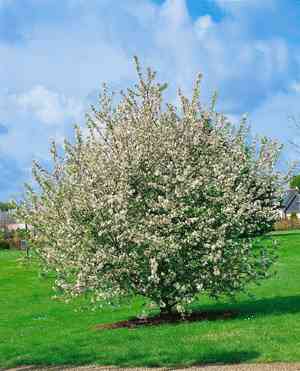
European crab apple (Malus sylvestris)
Also known as: Crab Apple, Wild Apple
The European crab apple (Malus sylvestris) is a tree species that can reach an age of up to one hundred years. Native to Europe, its Latin name translates to "forest apple." This species plays a critical role as an ancestor of the domestic apple and provides a food source for the caterpillars of the twin-spotted sphinx moth, which feed on its leaves.
Attributes of European crab apple
Images of European crab apple
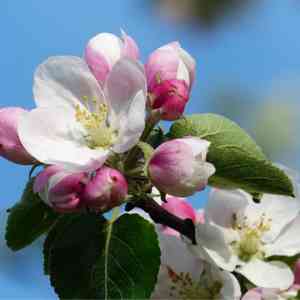
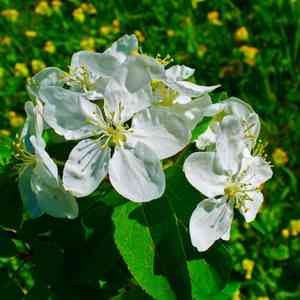
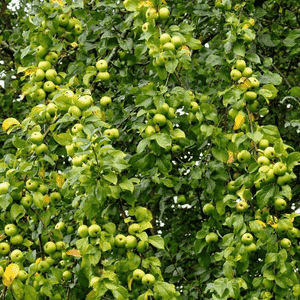

Quickly Identify European crab apple
Scientific Classification of European crab apple
Planting and Growing of European crab apple
 How to Water European crab apple?
 What Are the Sunlight Requirements for European crab apple?
 What Is the Ideal Temperature Range for European crab apple?
 What Soil is Best for European crab apple?
 How to Fertilize European crab apple?
 How to Prune European crab apple?
 How to Propagate European crab apple plant?
 How to Repot European crab apple plant?
Toxicity of European crab apple
Is European crab apple toxic to humans?
The European crab apple presents a slight toxicity threat to humans, primarily when ingested. This plant harbors hydrogen cyanide, which is especially concentrated in its seeds, leaves, and stems. Consuming these specific parts can release this hazardous compound into the body. Symptoms of poisoning from the European crab apple may include trouble breathing, light-headedness, headaches, and in serious cases, convulsions and oxygen deprivation. The slight toxicity level indicates that, although the plant is generally non-lethal, caution should be exercised to prevent accidental ingestion of its toxic components, particularly by children or pets who may be attracted to its appealing appearance.
Is European crab apple toxic to cat?
The European crab apple (Malus sylvestris) is recognized as having moderate toxicity for cats, and excessive consumption may lead to shock. The highest levels of toxins are present in the fruit and foliage, so it's essential to keep cats away from any leaf litter and the fruit itself. If you observe that your cat has a bright red mouth or begins to pant, contact your veterinarian without delay.
Is European crab apple toxic to dog?
While the fruits of European crab apples are generally safe, their leaves, twigs, and particularly their seeds can lead to mild to severe adverse reactions in dogs. Fortunately, it is quite uncommon for dogs to consume a sufficient amount of European crab apple seeds or twigs that would trigger a severe response. Signs of poisoning may encompass dilated pupils, trouble breathing, diarrhea, and vomiting. In rare extreme cases, death could occur, but this is exceedingly uncommon.



