
Brazilian jasmine (Mandevilla sanderi)
Also known as: Brazilian Jasmine, Dipladenia
Mandevilla sanderi, colloquially known as brazilian jasmine, is an ornamental perennial vine native to South America. Its velvety flowers are most often white, scarlet or pink in color. Brazilian jasmine contains white latex, which is toxic and can have an irritating effect when it comes in contact with skin or eyes.
Attributes of Brazilian jasmine
Images of Brazilian jasmine
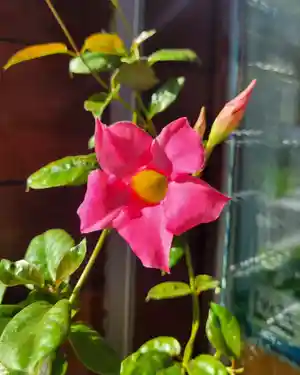


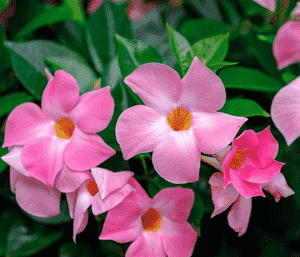
Quickly Identify Brazilian jasmine
Scientific Classification of Brazilian jasmine
Planting and Growing of Brazilian jasmine
 How to Water Brazilian jasmine?
 What Are the Sunlight Requirements for Brazilian jasmine?
 What Is the Ideal Temperature Range for Brazilian jasmine?
 What Soil is Best for Brazilian jasmine?
 How to Fertilize Brazilian jasmine?
 How to Prune Brazilian jasmine?
 How to Propagate Brazilian jasmine plant?
 How to Repot Brazilian jasmine plant?
Toxicity of Brazilian jasmine
Is Brazilian jasmine toxic to humans?
Incidents of poisoning associated with Brazilian jasmine are primarily due to unintentional exposure to the plant's sap or accidental ingestion. The level of toxicity is relatively low, with such occurrences predominantly affecting inquisitive children or individuals growing this ornamental vine, whether inside or outside. The plant produces a mildly toxic latex found in its leaves and stems, which can lead to dermatitis upon skin contact. Symptoms may manifest as redness, inflammation, and itchiness of the affected skin areas. Ingesting the plant could result in irritation of the throat and stomach, subsequently causing indigestion and potential vomiting.
Is Brazilian jasmine toxic to cat?
The Brazilian jasmine is harmful to cats, and every part of the plant poses a risk of toxicity. Cats might inadvertently consume the plant, resulting in a range of physical ailments and discomfort. If a cat is suspected of having interacted with Brazilian jasmine, it is crucial for owners to promptly take their pet to a veterinary clinic to avert further health complications.
Is Brazilian jasmine toxic to dog?
Brazilian jasmine is a harmful plant for dogs, presenting a serious health hazard if ingested. Dogs might inadvertently consume parts of brazilian jasmine while they are exploring or playing in locations where the plant grows. Every component of brazilian jasmine, including its leaves, stems, and flowers, contains toxic substances that can endanger dogs. Should a dog ingest any portion of brazilian jasmine, it may show symptoms such as vomiting, diarrhea, excessive salivation, or more severe reactions like irregular heart rates. It is imperative for dog owners to remain alert and keep their pets away from areas where brazilian jasmine flourishes. If a dog does consume this plant, prompt veterinary care is vital to secure the best possible prognosis for the affected animal.



