
Cassava (Manihot esculenta)
Also known as: Tapioca, Mandioca
Cassava (Manihot esculenta), originally from South America, has become a crucial carbohydrate source globally, particularly in low-income regions due to its affordability and ease of cultivation. The starchy root is versatile, used in dishes like boiled or fried cassava, as well as in products like tapioca and cassava flour. However, only the properly prepared root is safe for consumption; other parts of the plant are toxic.
Beyond food, cassava starch finds applications in laundry products and is being explored as a potential biofuel source. Proper processing is essential to eliminate harmful cyanogenic compounds, which can cause serious health issues if ingested.
Attributes of Cassava
Images of Cassava
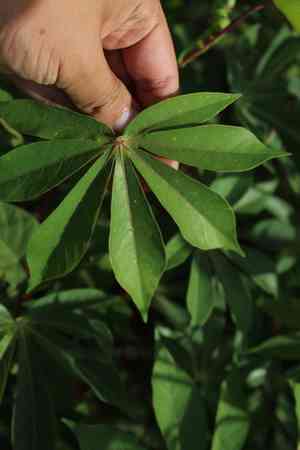
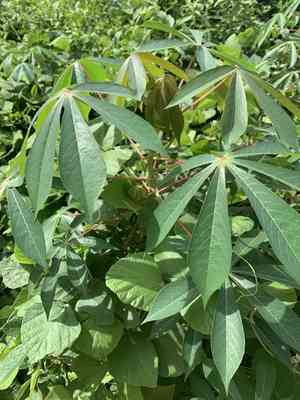
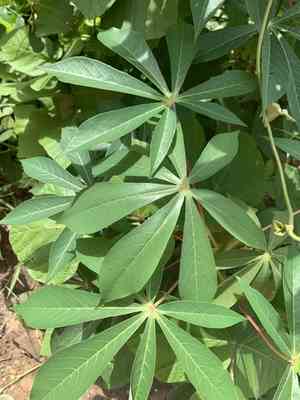
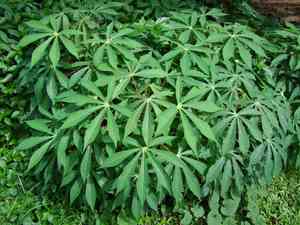
Quickly Identify Cassava
Scientific Classification of Cassava
Planting and Growing of Cassava
 How to Water Cassava?
 What Are the Sunlight Requirements for Cassava?
 What Is the Ideal Temperature Range for Cassava?
 What Soil is Best for Cassava?
 How to Fertilize Cassava?
 How to Prune Cassava?
 How to Propagate Cassava plant?
 How to Repot Cassava plant?
Toxicity of Cassava
Is Cassava toxic to humans?
Cassava is a severely toxic plant that can lead to dysfunctional breathing, weakness, depression, spasms, convulsions, pupil dilation, staggering, and even temporary coma if its raw tubers or root peels are consumed. This toxicity arises from the presence of harmful compounds, namely linamarin and lotaustralin, which can release cyanide upon ingestion. It is advised that individuals with a poor, nutrient-deficient diet are at a heightened risk of experiencing the full effects of cassava poisoning, as adequate protein intake assists in the detoxification of cyanide from the body.
Is Cassava toxic to cat?
Cassava presents a moderate toxicity hazard to felines when consumed. The primary threat stems from the plant's leaves and roots. If a cat ingests any portion of the cassava, it may exhibit signs of physical distress, including potential gastrointestinal discomfort. Prompt veterinary attention is critical if you believe that a cat has swallowed cassava, as this will guarantee suitable treatment and avert more serious health complications.
Is Cassava toxic to dog?
Cassava presents a moderate toxicity hazard for dogs. When dogs consume certain parts of this plant, particularly the leaves and roots, they become susceptible to poisoning. The poisoning often occurs when these plant components are swallowed. Upon ingesting cassava, dogs can display a range of symptoms indicative of toxicity. It is crucial for dog owners to keep a vigilant eye on their pets and to seek prompt veterinary assistance if they suspect their dog has ingested any part of cassava. Timely treatment is vital in addressing the toxin's effects and ensuring the well-being and safety of the affected animal.



