
Prayer plant (Maranta leuconeura)
Also known as: Rabbit's foot
The Prayer Plant, commonly found as a houseplant, gets its name because its leaves lift in a prayer-like pose each evening. It thrives in indirect sunlight, needs high humidity, and should be kept at temperatures no lower than 15°C.
In This Article
Plant Comprehensive Care Guide: Beginner's Introduction and Key Details
Perfect for beginners starting their plant care journey
→
10 Secrets to Making Prayer plant Grow Faster (A Must-Read for Beginners)
Advanced tips to accelerate your plant's growth
→
Care "Black Tech": 10 Little-Known Highly Effective Maintenance Tips
Expert-level techniques for optimal plant care
→
Attributes of Prayer plant
Lifespan
Perennial
Plant Type
Herb
Plant Height
30 cm to 38 cm
Spread
30 cm to 38 cm
Leaf Color
Green Red White Gray Variegated Silver
Flower Size
2.5 cm
Flower Color
White Purple
Images of Prayer plant


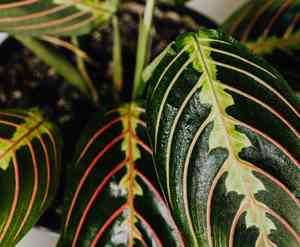
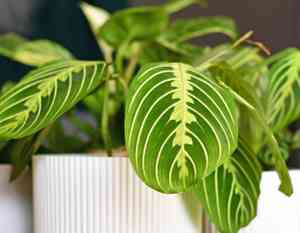
Quickly Identify Prayer plant
1
Ovate leaves with rabbit track-like patterns and red 'fishbone' veins.
2
Leaves elevate to a vertical 'prayer' position at night.
3
Distinctive dark variegation transitioning to a soft yellow along midrib.
4
Thrives in bright, indirect light and high humidity.
5
Stems are short, rhizomatous, and grow horizontally below the soil surface.
Scientific Classification of Prayer plant
Phylum
Vascular plants
Class
Monocotyledons
Order
Zingiberales
Family
Arrowroot
Genus
Prayer plant
Species
Prayer plant
Planting and Growing of Prayer plant
Care Difficulty
Hard
Watering Schedule
Every 4 days
Sunlight Requirements
Partial sun
Sunshine Duration
4-6 hours
Ideal Temperature
65-80℉
Soil Type
Potting Mix, Peat Mix
Soil pH
5.5-6.5
Fertilizer Type
Balanced
Pruning Season
Spring, Summer
Pruning Area
Branches, Leaves
Pruning Frequency
2 times a year
Repotting Season
Spring
Pot Type
Plastic, Ceramic
 How to Water Prayer plant?
For the Maranta leuconeura, it is often advised to water with about 200 milliliters per session. The key is to ensure the soil remains consistently moist but not soggy. Allow the top inch of soil to dry out completely before watering again, ensuring the roots don't continually sit in water.
More About Watering Techniques→
What are the symptoms of an underwatered Prayer plant?
›
What should I do if my Prayer plant is not getting enough water?
›
What are the symptoms of an overwatered Prayer plant?
›
How to save an overwatered Prayer plant?
›
 What Are the Sunlight Requirements for Prayer plant?
The ideal light range for Maranta leuconeura is 2 to 4 hours of indirect sunlight daily. This condition ensures that the plant is healthy and vibrant while preventing stress and damage caused by over-exposure.
More About Sunlight Requirements Techniques→
What light conditions does Maranta leuconeura prefer?
›
How can I achieve ideal lighting for Maranta leuconeura indoors?
›
Why is it important to provide ideal lighting for Maranta leuconeura?
›
 What Is the Ideal Temperature Range for Prayer plant?
The ideal temperature range for Maranta leuconeura is between 65°F and 80°F, where the plant thrives with optimal growth. Maintaining this temperature ensures that the plant can photosynthesize efficiently while minimizing stress. Essential metabolic processes occur most effectively within this range, leading to healthy leaves and vibrant colors.
 What Soil is Best for Prayer plant?
Maranta leuconeura thrives in well-draining soil which prevents water from sitting at the roots, reducing the risk of root rot and promoting healthy growth. This plant prefers soil that can retain moisture yet doesn't become waterlogged, ensuring it gets the consistent hydration needed without drowning the roots. A nutrient-rich soil with high organic matter like peat enhances the plant's growth by providing essential nutrients and improving soil structure.
More About Soil→
 How to Fertilize Prayer plant?
When it comes to fertilizing Maranta leuconeura, also known as the Prayer Plant, it's essential to be a bit conservative. During the growing season, use a balanced liquid fertilizer at half strength. This plant doesn't require heavy feeding, and over-fertilization can cause harm. Adjust accordingly if the plant is thriving less than expected.
More About Fertilizing Techniques→
 How to Prune Prayer plant?
Pruning too much can stress your Maranta, slowing its growth. Focus on removing only the yellowing or damaged leaves and minimal healthy growth to maintain the plant's natural shape. After pruning, keep an eye on your plant for signs of pests. Pruning can sometimes stress the plant, making it more susceptible to infestations, so it's crucial to monitor it closely.
More About Pruning Techniques→
 How to Propagate Prayer plant plant?
1
Choose healthy, disease-free stems from the Maranta leuconeura. Selected stems should be about 3-4 inches long with several leaves attached. This ensures that the cuttings have enough energy reserves to sustain themselves until roots develop.
2
Once cut, remove the lower leaves of the cutting to avoid soil contact that could lead to rotting. Optionally, dip the cut end into rooting hormone before planting it into a well-draining potting mix.
3
When propagating by division, carefully remove the plant from its pot and separate the roots into sections, ensuring each section has roots and shoots. Plant these sections in separate pots with fresh potting soil.
 How to Repot Prayer plant plant?
1
Repot your Maranta leuconeura when you observe roots protruding from the drainage holes or when growth appears stunted. Early spring is ideal as this season encourages robust recovery and thriving new growth.
2
Select a pot that's one size larger, with excellent drainage. Ensuring good drainage helps prevent root rot, which Maranta are prone to if left in overly soggy conditions.
3
Opt for a well-draining potting mix with good aeration, such as a combination of peat, perlite, and sand. This mix supports moisture control, decreasing the likelihood of waterlogging and increasing root health.



