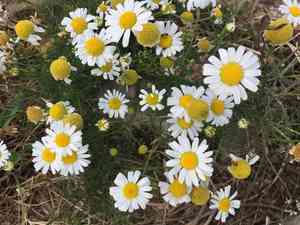
German chamomile (Matricaria chamomilla)
Also known as: Scented mayweed, Italian camomilla
German chamomile (Matricaria chamomilla) yields a unique blue essential oil from its flowers, known for its versatile applications. It is prominently employed in cosmetics to address skin issues like irritation and inflammation. In the culinary world, it serves as a flavor enhancer in foods and beverages. This essential oil is also incorporated into various household products for its pleasant aroma. Additionally, German chamomile is popular in herbal teas, often preferred over Roman chamomile. However, individuals with sensitivities should exercise caution due to potential allergic reactions.
Attributes of German chamomile
Images of German chamomile
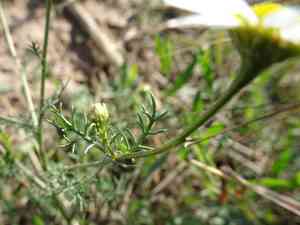
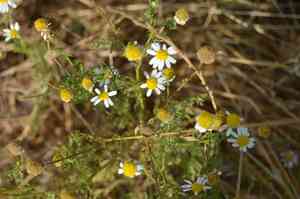

Quickly Identify German chamomile
Scientific Classification of German chamomile
Planting and Growing of German chamomile
 How to Water German chamomile?
 What Are the Sunlight Requirements for German chamomile?
 What Is the Ideal Temperature Range for German chamomile?
 What Soil is Best for German chamomile?
 How to Fertilize German chamomile?
 How to Prune German chamomile?
 How to Propagate German chamomile plant?
 How to Repot German chamomile plant?
Toxicity of German chamomile
Is German chamomile toxic to humans?
The blossoms of German chamomile may trigger a mild allergic response in certain individuals who are sensitive to flora from the daisy family (Asteraceae). Symptoms of such an allergic reaction can include an itchy, red, and inflamed rash. It is advisable to avoid consuming or topically applying German chamomile products if you have a medical condition that could be aggravated by estrogen exposure. Additionally, these products may interfere with anesthesia, so it's best not to consume or use them topically within two weeks prior to having surgery. Furthermore, German chamomile can also lead to irritation if contacted near the eyes.
Is German chamomile toxic to cat?
German chamomile is classified as having a low toxicity level for cats, potentially leading to poisoning if eaten in excessive amounts. Although the specific toxic compounds are not identified, it is crucial to understand that every part of german chamomile can induce negative reactions in cats. Following consumption, felines might display symptoms of physical distress that require careful monitoring. To safeguard the health of a cat that has taken in german chamomile, obtaining prompt veterinary assistance is essential.
Is German chamomile toxic to dog?
German chamomile is recognized as possessing mild toxic properties for dogs. Although ingesting small amounts typically does not result in serious harm, high consumption can lead to poisoning. Any part of the plant is considered toxic, making all portions potentially hazardous to dogs. Signs of poisoning may manifest as gastrointestinal disturbances, skin irritation, or more serious complications, which can vary based on the amount ingested and the individual dog's susceptibility. If you suspect your dog has ingested german chamomile and may have been poisoned, it is crucial to seek veterinary care promptly to safeguard their health and safety.



