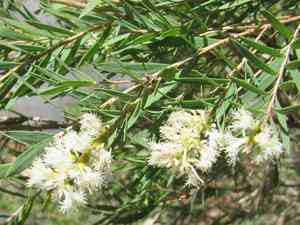
Snow-in-summer (Melaleuca linariifolia)
Also known as: Flax-leaved paperbark
Gardenia jasminoides is a tropical shrub or small tree renowned for its abundant white flowers and glossy green leaves. This plant is a favorite in gardens, especially in its dwarf varieties which are perfect for smaller spaces. Additionally, its flowers are prized for their delightful fragrance and essential oils.
In This Article
Attributes of Snow-in-summer
Lifespan
Perennial
Plant Type
Tree
Plant Height
7 m
Spread
4 m
Leaf Color
Green Blue
Flower Size
4 cm
Flower Color
White
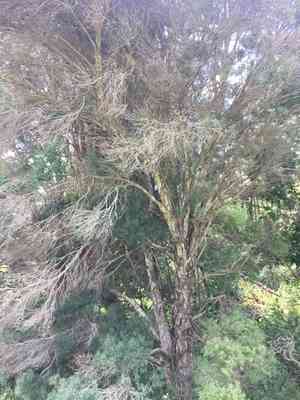
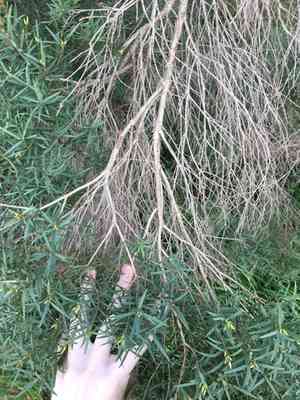
Images of Snow-in-summer
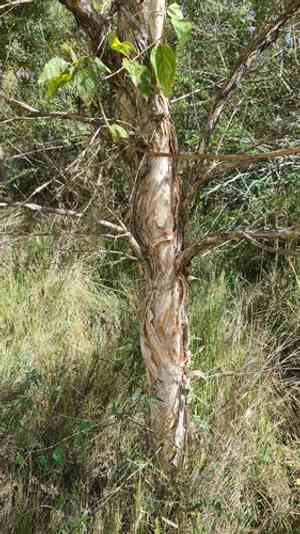
Quickly Identify Snow-in-summer
1
Distinctive white, spongy bark peels in layers.
2
Dark green, linear leaves up to 1.5 inches (3.8 cm) in length.
3
Broad, umbrella-like crown in maturity.
4
Produces small, white, bottle-brush-like summer flowers.
5
Tolerates temperatures as low as 20°F (-6.7°C).
Scientific Classification of Snow-in-summer
Phylum
Vascular plants
Class
Dicotyledons
Order
Myrtales
Family
Myrtle
Genus
Tea trees
Species
Snow-in-summer
Planting and Growing of Snow-in-summer
Care Difficulty
Easy
Watering Schedule
Every 2 days
Sunlight Requirements
Full sun
Sunshine Duration
6-10 hours
Ideal Temperature
60-75℉
Soil Type
Potting Mix, Peat Mix
Soil pH
6.5-7.5
Fertilizer Type
Balanced
Pruning Season
Spring, Summer
Pruning Area
Branches, Leaves
Pruning Frequency
2 times a year
Repotting Season
Spring
Pot Type
Plastic, Terracotta
 How to Water Snow-in-summer?
For Melaleuca linariifolia, water thoroughly until the soil is well-saturated but drains well. This typically means around 500 ml per watering session, depending on pot size and soil composition. Ensure the water penetrates the root zone effectively.
What are the symptoms of an underwatered Snow-in-summer?
›
What should I do if my Snow-in-summer is not getting enough water?
›
What are the symptoms of an overwatered Snow-in-summer?
›
How to save an overwatered Snow-in-summer?
›
 What Are the Sunlight Requirements for Snow-in-summer?
Melaleuca linariifolia thrives best under full to partial sun exposing it to 6 to 8 hours of light daily, supporting its lush, healthy growth and vibrant foliage.
More About Sunlight Requirements Techniques→
How much light does Melaleuca linariifolia need?
›
Best solutions for providing ideal light
›
Benefits of ideal lighting for this plant
›
 What Is the Ideal Temperature Range for Snow-in-summer?
The ideal temperature range for growing Melaleuca linariifolia is between 60°F and 75°F. This range promotes optimal growth and helps the plant maintain its striking foliage and resilience. Keeping temperatures within this range can ensure that the plant remains healthy and visually appealing.
 What Soil is Best for Snow-in-summer?
Melaleuca linariifolia thrives in soil that drains well, preventing water from lingering around the roots. This reduces the risk of root rot, which is crucial for the plant's health and longevity. The plant benefits from soil rich in organic matter, providing essential nutrients that support growth and lush foliage. It helps maintain the plant's vigor and resilience against harsh conditions. While excellent drainage is key, the soil should also retain some moisture to keep the plant hydrated. A balance here ensures that the plant remains vibrant without being waterlogged.
 How to Fertilize Snow-in-summer?
For Melaleuca linariifolia, the recommended fertilizer amount should be moderate. Use about 1 tablespoon of liquid fertilizer per gallon of water, ensuring thorough watering each time you fertilize. For slow-release fertilizers, use around 1/4 cup per plant spread evenly over the root zone.
 How to Prune Snow-in-summer?
Begin by evaluating the plant's size and shape. Decide on the desired shape you wish to maintain or achieve. This will guide your pruning cuts to ensure a symmetrical and aesthetically pleasing appearance. Start by removing any dead or diseased branches. This helps prevent the spread of diseases and allows more energy to be directed towards healthy growth. Cut back to healthy wood and dispose of any affected material responsibly. Next, thin out overly dense areas of the foliage. This improves air circulation within the plant, reducing the risk of fungal infections. Additionally, thinning allows more sunlight to reach the inner branches, promoting healthy regrowth. Trim back branches that exceed your desired shape, cutting just above a node or bud facing outward. This encourages new growth to develop in the direction you want, helping maintain a compact and healthy profile.
More About Pruning Techniques→
 How to Propagate Snow-in-summer plant?
1
Start by collecting mature seeds from the tree. Clean them thoroughly and ensure they are dry before planting. Place them in a seed tray filled with a well-draining potting mix and lightly cover them with soil.
2
Select a healthy stem from the plant with several leaf nodes. Using pruning shears, cut a 10-15 cm section just below a node. Remove the lower leaves and dip the cut end into rooting hormone.
3
Insert the prepared cutting into a pot filled with a suitable growing medium. Ensure that at least two nodes are buried in the soil to promote rooting, and water lightly.
 How to Repot Snow-in-summer plant?
1
Observe the plant for signs like roots emerging from the drainage holes or slowed growth. These indicators suggest that the plant is becoming root-bound and requires fresh space to flourish.
2
Select a pot that is one size larger than the current one, with adequate drainage holes. This prevents waterlogging, encourages healthy root spread, and gives the plant room to grow.
3
Opt for a well-draining potting mix with a sandy texture. This ensures that excess water drains efficiently while retaining essential nutrients, mimicking its natural habitat conditions.



