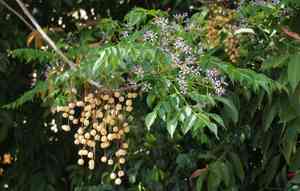
Chinaberry tree (Melia azedarach)
Also known as: Persian lilac, Cape lilac
The chinaberry tree is deemed invasive in numerous regions due to its ability to form dense thickets, which can overshadow and displace native plants. Additionally, the tree contains toxins harmful to humans and various animals, although certain species like cows and some birds can consume its fruit without adverse effects.
Attributes of Chinaberry tree
Images of Chinaberry tree
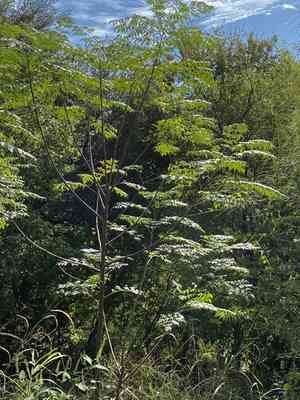
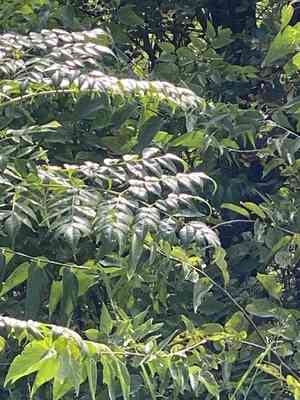
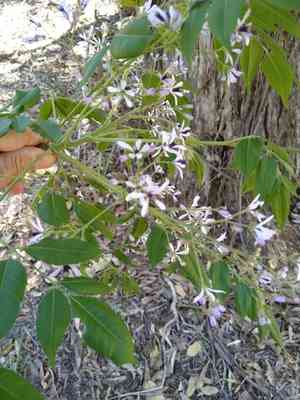
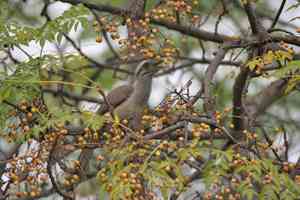
Quickly Identify Chinaberry tree
Scientific Classification of Chinaberry tree
Planting and Growing of Chinaberry tree
 How to Water Chinaberry tree?
 What Are the Sunlight Requirements for Chinaberry tree?
 What Is the Ideal Temperature Range for Chinaberry tree?
 What Soil is Best for Chinaberry tree?
 How to Fertilize Chinaberry tree?
 How to Prune Chinaberry tree?
 How to Propagate Chinaberry tree plant?
 How to Repot Chinaberry tree plant?
Toxicity of Chinaberry tree
Is Chinaberry tree toxic to humans?
The chinaberry tree poses a significant toxicity risk to humans, primarily through ingestion. Its bark, flowers, and leaves are all harmful, but the most perilous aspect of this tree is its berries. While ingesting parts of the tree other than the berries generally results in mild poisoning, eating the berries can cause severe health issues. Common symptoms following the consumption of chinaberry berries include diarrhea, vomiting, appetite loss, abdominal pain, and, in severe instances, cardiac failure or even death. Fortunately, chinaberry trees lack any edible look-alikes, making poisonings quite uncommon. Occasionally, these trees are planted for ornamental purposes, and they have also become invasive in some regions. Therefore, parents should keep a close watch on their children when in the vicinity of chinaberry trees and discourage them from tasting the berries.
Is Chinaberry tree toxic to cat?
The presence of meliatoxins in various parts of the chinaberry tree (Melia azedarach) poses a moderate to severe toxicity risk to cats. If there's a suspicion that a pet has ingested any portion of this plant, it's essential to consult a veterinarian. While the bark, leaves, and flowers are all harmful, the ripe fruits are particularly notorious for causing significant distress when eaten. Symptoms may manifest as diarrhea, vomiting, excessive drooling, lethargy, and potentially seizures.
Is Chinaberry tree toxic to dog?
Every component of the chinaberry tree poses a serious toxicity risk to dogs, potentially leading to fatality within a 24-hour period if veterinary assistance is not sought. This plant emits a naturally occurring insecticide that can be detrimental to your pet's health upon ingestion. Symptoms typically manifest within a short time frame of two to four hours and may encompass bloody stools, severe drooling, diarrhea, and lethargy.



