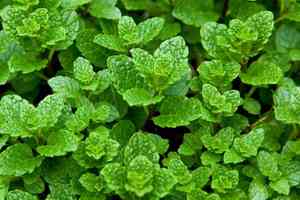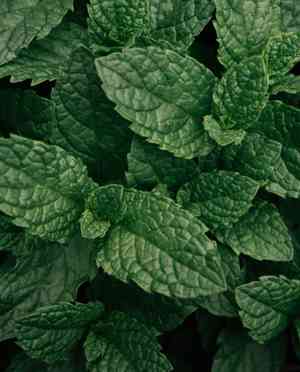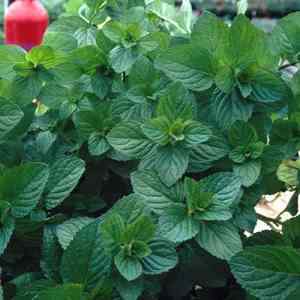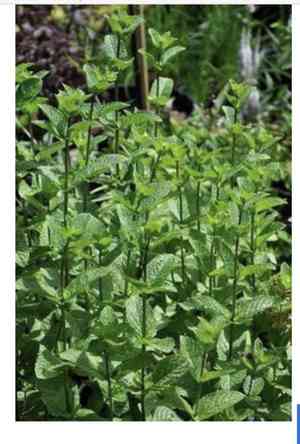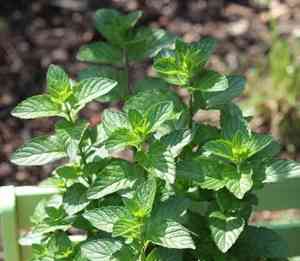
Spearmint(Mentha spicata)

Spearmint (Mentha spicata)

Also known as: Common mint, Menthol mint

Spearmint, a versatile herb from the mint family, is widely appreciated for its refreshing taste. Its leaves can be used in a range of culinary applications. In food, spearmint leaves are ideal for adding a fresh burst of flavor to salads, desserts, and sauces. They are also popular in beverages, enhancing the taste of teas, smoothies, and cocktails like mojitos. Additionally, spearmint leaves can be used to infuse water, providing a cool and invigorating drink.

Attributes of Spearmint

Lifespan
Perennial
Plant Type
Herb
Plant Height
30 cm to 1.3 m
Spread
1 m to 1.5 m
Leaf Color
Green
Flower Size
2.5 mm to 3 mm
Flower Color
Purple White Pink

PlantJoy - Identify plants with a snap

Identify and diagnose plants, get toxicity alerts, and explore safety guides for all types of fungi.

Try for Free

Images of Spearmint

Spearmint(Mentha spicata)

Quickly Identify Spearmint

1
Square stems up to 30 inches (76 cm) tall emit minty aroma when crushed.
2
Lilac or pink flowers on slender spikes, each approximately 0.25 inches (0.6 cm) long.
3
Distinctive small ovate nutlets, under an inch long, with delicately hairy apex.
4
Light green lanceolate leaves, 1-3 inches (2.5-7.5 cm) long, emitting strong minty fragrance.
5
Densely arranged white to pink tubular flowers on 4-10 cm (1.6-3.9 inches) long spikes.

Scientific Classification of Spearmint

Phylum
Vascular plants
Class
Dicotyledons
Order
Mints plantains olives and allies
Family
Mint
Genus
Mints
Species
Spearmint

Planting and Growing of Spearmint

Care Difficulty
Easy
Watering Schedule
Every 8 days
Sunlight Requirements
Full sun
Sunshine Duration
4-8 hours
Ideal Temperature
60-70℉
Soil Type
Potting Mix, Peat Mix
Soil pH
6.5-7.5
Fertilizer Type
Balanced
Pruning Season
Spring, Summer
Pruning Area
Branches, Leaves
Pruning Frequency
2 times a year
Repotting Season
Spring
Pot Type
Plastic, Ceramic

water icon How to Water Spearmint?

Mentha spicata, often known as spearmint, appreciates consistently moist soil but should never be waterlogged. Water the plant thoroughly until water drains out of the bottom of the pot. This ensures the entire root system receives moisture, allowing the plant to absorb the nutrients it needs.
What are the symptoms of an underwatered Spearmint?
What should I do if my Spearmint is not getting enough water?
What are the symptoms of an overwatered Spearmint?
How to save an overwatered Spearmint?
More About Watering Techniques

sunlight icon What Are the Sunlight Requirements for Spearmint?

Sunlight Requirements: Full sun, Partial sun
Duration of light: 6 to 8 hours
Mentha spicata flourishes under full to partial sun conditions, meaning 6 to 8 hours of daily light. This exposure supports healthy growth, maximizing its aromatic oil content and ensuring sustained, lush foliage.
What is the ideal lighting for Mentha spicata?
How can I achieve the ideal lighting conditions?
What are the benefits of ideal lighting conditions for Mentha spicata?
More About Sunlight Requirements Techniques

temperature icon What Is the Ideal Temperature Range for Spearmint?

Ideal Temperature: 60 ~ 70℉
Mentha spicata, commonly known as spearmint, flourishes in daytime temperatures ranging from 60°F to 70°F. This range encourages optimal growth and ensures the plant stays healthy and robust. Within this temperature range, photosynthesis proceeds efficiently, allowing the plant to produce ample biomass and maintain vigorous growth. Ensuring these temperatures are sustained will typically result in the mint exhibiting lush green foliage and producing the characteristic aromatic scent.

soil icon What Soil is Best for Spearmint?

Soil type: Loam, Sandy loam
Soil PH: 6.5 ~ 7.5
Mentha spicata thrives in soils that provide excellent drainage. Proper drainage prevents waterlogging, which can lead to root rot and plant decay. Ensuring good drainage helps maintain a healthy root system, facilitating the plant's vigorous growth and vibrant foliage. This plant prefers nutrient-rich soils that can support its robust growth needs. Enriched with organic matter, loamy soils provide a balanced supply of essential nutrients, promoting lush green foliage and rich aromatic oils that are characteristic of Mentha spicata. While Mentha spicata dislikes waterlogged conditions, it thrives in soils that retain adequate moisture. The ability to hold moisture ensures a steady water supply to the roots, especially during hot weather, supporting continuous and vigorous growth. More About Soil

fertilize icon How to Fertilize Spearmint?

Fertilizer type: Balanced
Spearmint, or Mentha spicata, thrives when fertilized appropriately. Use a balanced 10-10-10 fertilizer, applying about 5 grams per square foot. This amount ensures supply of essential nutrients without overwhelming the plant, allowing it to remain lush and flavorful. More About Fertilizing Techniques

prune icon How to Prune Spearmint?

Pruning Time: Spring, Summer, Autumn
Begin by identifying the stems that appear weak or leggy. Look for stems that have already flowered and aim to trim them back to a healthy set of leaves or a side shoot. This encourages the plant to produce new growth and remain robust. Use a sharp pair of scissors or pruning shears to make clean cuts about a quarter-inch above a leaf node. This encourages new shoots to form and helps maintain the plant’s bushy shape. Regularly removing the tips of the shoots can also help in preventing the plant from becoming too tall. While pruning, keep an eye out for any dead or damaged leaves and remove them. This not only keeps the plant looking tidy but also allows it to focus its energy on producing healthy new growth. More About Pruning Techniques

propagate icon How to Propagate Spearmint plant?

Propagate Time: Spring, Early Summer, Late Spring
1
Fill the seedling tray with a well-draining soil mix. Sow the Mentha spicata seeds on the surface, and lightly cover them with soil. Keep the soil consistently moist but not waterlogged, and position the tray in a well-lit area away from direct sunlight.
2
Take a cutting of about 4-6 inches in length from a healthy, mature plant. Remove the lower leaves and dip the cut end in rooting hormone powder. Plant the cutting in well-draining soil and cover it with a plastic bag to maintain humidity.
3
Carefully dig up an established Mentha spicata plant and separate the root clumps using clean hands or tools. Ensure each division has roots and shoots, and replant them immediately in prepared soil at their original depth.
More About Propagating Techniques

repot icon How to Repot Spearmint plant?

Repotting frequency: Every 1-2 years
1
Repotting is essential for Mentha spicata when you notice its roots outgrowing the pot, or the plant shows signs of stunted growth. An ideal time to repot is during the growing season, either in spring or early summer when the plant can quickly establish itself in new soil.
2
Select a pot that's slightly larger than the current one, with good drainage holes. A slightly bigger pot gives the plant room to grow while preventing excessive water retention, which could lead to root rot—a common problem when using overly large pots.
3
Opt for a well-draining potting mix, rich in organic matter. The right soil will keep the roots healthy by providing adequate aeration and preventing water-logging, ensuring that your spearmint plant has the nutrients it needs to thrive.
More About Repotting Techniques

PlantJoy - Identify plants with a snap

Find the best spots for them to optimize their health, simply using your phone.

Try for Free

Toxicity of Spearmint

Is Spearmint toxic to cat?

Spearmint poses a threat to cats. The main issue occurs when cats inadvertently ingest the leaves of spearmint, potentially resulting in poisoning. Pet owners must closely observe their feline friends for any indications of physical distress or illness, as these symptoms might suggest toxic reactions. While the exact toxic compounds present in spearmint remain unspecified, it's crucial for cat owners to remain attentive. Should you suspect that your cat has consumed any part of the spearmint plant, seeking immediate veterinary care is critical, as swift intervention is vital for your pet's health and well-being.

Is Spearmint toxic to dog?

Spearmint is recognized as toxic to dogs. When dogs ingest this plant, especially its leaves, they risk poisoning. Typically, dogs encounter spearmint when they accidentally consume it. Following the ingestion of spearmint, a dog may display multiple symptoms that suggest poisoning. It is vital for dog owners to keep an eye on their pets and restrict their access to this plant. Should a dog consume spearmint, obtaining prompt veterinary assistance is critical to secure the best possible outcome for the pet's health.

Identify toxic plants for your safety

Learn which plants are harmful to you and your pets, and make informed choices for a safer home!

Try for Free
WARNING
The judgment on toxicity and danger is for reference only. We DO NOT GUARANTEE any accuracy of such judgment. Therefore, you SHALL NOT rely on such judgment. It is IMPORTANT TO SEEK PROFESSIONAL ADVICE in advance when necessary.
More About Toxic Techniques