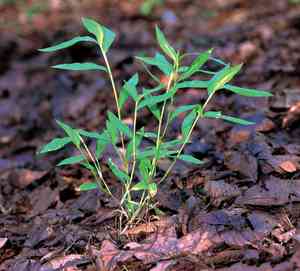
Japanese stiltgrass (Microstegium vimineum)
Also known as: Packing grass, Vietnamese stiltgrass, Eulalia, Mary's grass, Jewgrass, Annual Jewgrass
Japanese stiltgrass is an invasive species that flourishes in shaded environments. This grass can root at each node and typically reaches a height of around 1.07 meters. It blooms late in the summer, followed by seed production. The primary method for controlling Japanese stiltgrass is the application of glyphosate herbicide. However, recent experiments are exploring the use of goats for natural control as an alternative approach.
In This Article
Attributes of Japanese stiltgrass
Lifespan
Annual, Biennial
Plant Type
Grass
Plant Height
9 cm
Spread
60 cm to 1.2 m
Leaf Color
Green Purple Brown Bronze Lavender
Flower Size
2.5 cm to 8 cm
Flower Color
Yellow Green
Images of Japanese stiltgrass
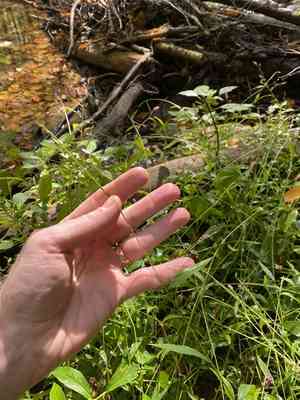
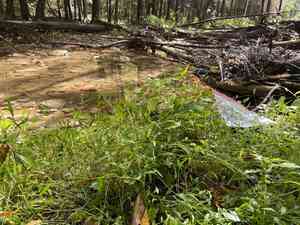
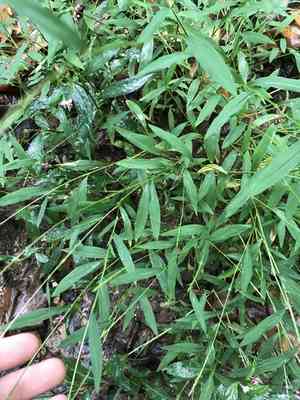
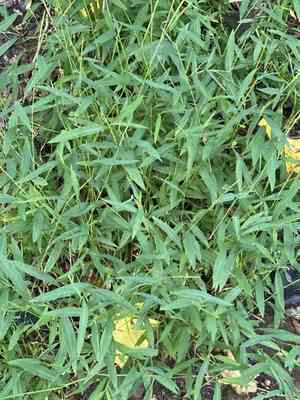
Quickly Identify Japanese stiltgrass
1
Silvery stripe of reflective hairs along leaf midrib for visual identification.
2
Fruit with indistinct color, fine hairs, and awned husk for dispersal recognition.
3
Linear-elliptic leaves with acute tips and green upper surface for leaf identification.
4
Light green to reddish-purple, smooth stem with creeping and upright growth patterns.
5
Grass-like greenish or purplish flowers in racemes with small spikelets for floral distinction.
Scientific Classification of Japanese stiltgrass
Phylum
Vascular plants
Class
Monocotyledons
Order
Poales
Family
Grass
Genus
Browntops
Species
Japanese stiltgrass
Planting and Growing of Japanese stiltgrass
Care Difficulty
Easy
Watering Schedule
Every 4 days
Sunlight Requirements
Partial sun
Sunshine Duration
6-8 hours
Ideal Temperature
68-86℉
Soil Type
Potting Mix, Peat Mix
Soil pH
6.5-7.5
Fertilizer Type
Balanced
Pruning Season
Spring, Summer
Pruning Area
Branches, Leaves
Pruning Frequency
2 times a year
Repotting Season
Spring
Pot Type
Plastic, Ceramic
 How to Water Japanese stiltgrass?
Microstegium vimineum requires a moderate amount of water, enough to keep the soil consistently moist but not waterlogged. A good rule of thumb is to water until the top inch of soil feels consistently moist, approximating around 500 milliliters per session.
What are the symptoms of an underwatered Japanese stiltgrass?
›
What should I do if my Japanese stiltgrass is not getting enough water?
›
What are the symptoms of an overwatered Japanese stiltgrass?
›
How to save an overwatered Japanese stiltgrass?
›
 What Are the Sunlight Requirements for Japanese stiltgrass?
Microstegium vimineum enjoys conditions of partial sun to full shade. Ensuring these light conditions promotes a robust structure and enhances color vibrancy.
Optimal Light Duration
›
Placement and Positioning Solutions
›
Benefits of Ideal Light
›
 What Is the Ideal Temperature Range for Japanese stiltgrass?
For optimal growth, Microstegium vimineum thrives best in a temperature range of 68°F to 86°F. This environment supports its metabolic processes and photosynthesis, ensuring healthy development.
 What Soil is Best for Japanese stiltgrass?
Microstegium vimineum thrives in well-drained soil, which allows excess water to escape easily, preventing root rot. This characteristic is beneficial for maintaining optimal plant health and avoiding waterlogging issues that could impede growth. This plant prefers soil that retains moisture without being waterlogged, ensuring consistent hydration. Moisture retention is crucial for Microstegium vimineum, as it helps the plant sustain itself during dry spells, contributing to its resilience. Enriched with essential nutrients, the soil should support the plant's growth by providing adequate nourishment. A nutrient-rich substrate promotes vigorous growth, enhances leaf coloration, and supports robust structural development.
 How to Fertilize Japanese stiltgrass?
For Microstegium vimineum, apply a balanced fertilizer at a rate of 1 pound per 100 square feet. This ensures that the plant receives adequate nutrients to support its rapid growth and resilience. However, excessive fertilizer can lead to runoff and harm local water systems, so precise application is crucial.
 How to Prune Japanese stiltgrass?
Microstegium vimineum can spread aggressively through its seeds. Ensure that any flowering or seed-producing parts are carefully removed and disposed of, preventing further spread in your garden or adjacent areas. After pruning, immediately place the cut stems in disposal bags. This is crucial to avoid any seeds or plant fragments from re-rooting or spreading unintentionally. Keep a close eye on the plant after pruning sessions, as it can quickly regrow and spread. Look for any signs of regrowth and manage them promptly to control its spread.
 How to Propagate Japanese stiltgrass plant?
1
Harvest seeds from mature Microstegium vimineum plants in late summer when the seed heads have turned brown and dry. Be sure to collect on a dry day.
2
Fill seed trays with a light and well-draining potting mix. Ensure the mix is slightly moist prior to planting the seeds to encourage germination.
3
Distribute the seeds evenly across the surface of the potting mix. Gently press them into the soil without fully covering to allow light exposure.
 How to Repot Japanese stiltgrass plant?
1
Microstegium vimineum typically shows signs it needs repotting when its roots start to circle the pot or grow out of drainage holes. The best time to repot is in spring or autumn when the plant enters its active growth phase. This ensures the plant can recover quickly from any root disturbance.
2
Select a pot that is one size larger than the current one, with ample drainage holes. A larger pot provides room for root expansion, reducing the risk of root-bound growth. Opt for materials like terracotta or plastic that suit your watering habits; terracotta is porous and dries out faster, which helps prevent overwatering.
3
Opt for a well-draining potting mix that mimics its natural environment. A quality mix helps maintain optimal moisture levels, preventing issues like root rot. Incorporating components like perlite or bark can enhance drainage and aeration, promoting healthier root systems and vigorous growth.



