
Pacific island silvergrass (Miscanthus floridulus)
Also known as: Amor seco, coarse Taro grass
The Common Privet (Ligustrum vulgare) is a perennial plant frequently utilized for creating hedges and fences around homes. Reaching heights of 2.5 to 3.5 meters, it serves as an attractive landscape feature. Its dense growth provides a habitat for songbirds, making it a popular choice for bird enthusiasts.
In This Article
Attributes of Pacific island silvergrass
Lifespan
Perennial
Plant Type
Herb
Plant Height
2.5 m to 3.5 m
Spread
60 cm to 1.2 m
Leaf Color
Green White Variegated
Flower Size
2.5 cm
Flower Color
White Yellow Pink Green Cream Red Brown Burgundy
Images of Pacific island silvergrass
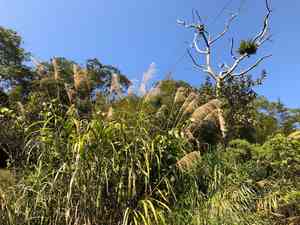
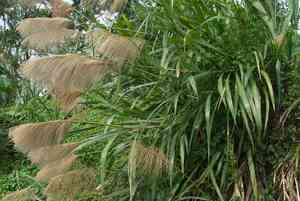
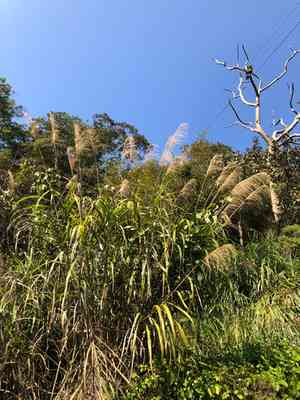
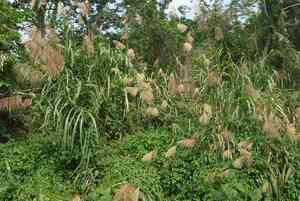
Quickly Identify Pacific island silvergrass
1
Tightly clumping growth habit.
2
Large white inflorescences transitioning to buff.
3
Deep green leaves with a white mid vein.
4
Linear leaves up to 3 feet (90 cm) long.
5
Distinct purplish hues in autumn, turning tan in winter.
Scientific Classification of Pacific island silvergrass
Phylum
Vascular plants
Class
Monocotyledons
Order
Poales
Family
Grass
Genus
Silvergrasses
Species
Pacific island silvergrass
Planting and Growing of Pacific island silvergrass
Care Difficulty
Easy
Watering Schedule
Every 8 days
Sunlight Requirements
Full sun
Sunshine Duration
6-12 hours
Ideal Temperature
60-77℉
Soil Type
Potting Mix, Peat Mix
Soil pH
6.5-7.5
Fertilizer Type
Balanced
Pruning Season
Spring, Summer
Pruning Area
Branches, Leaves
Pruning Frequency
Once a year
Repotting Season
Spring
Pot Type
Plastic, Ceramic
 How to Water Pacific island silvergrass?
When watering Miscanthus floridulus, aim to keep the soil evenly moist but not waterlogged. This grass requires about 1000 milliliters of water per session. Ensure water penetrates the soil deeply, reaching the roots to promote healthy growth.
What are the symptoms of an underwatered Pacific island silvergrass?
›
What should I do if my Pacific island silvergrass is not getting enough water?
›
What are the symptoms of an overwatered Pacific island silvergrass?
›
How to save an overwatered Pacific island silvergrass?
›
 What Are the Sunlight Requirements for Pacific island silvergrass?
Partial to full sun exposure is ideal for Miscanthus floridulus. This ensures vigorous growth and vitality, supporting its natural development and contributing to a full, lush appearance.
More About Sunlight Requirements Techniques→
How much sunlight does Miscanthus floridulus need?
›
What are the benefits of ideal lighting for Miscanthus floridulus?
›
How can I ensure my Miscanthus floridulus gets optimal sunlight?
›
 What Is the Ideal Temperature Range for Pacific island silvergrass?
Miscanthus floridulus thrives best in a controlled environment where temperatures range from 60 to 77 degrees Fahrenheit. This range is optimal for its photosynthetic and metabolic activities, ensuring healthy growth, vibrant foliage, and robust overall development.
 What Soil is Best for Pacific island silvergrass?
Miscanthus floridulus thrives in soil that ensures excellent drainage. Proper drainage prevents waterlogging, which can lead to root rot, thus promoting the plant's healthy growth and robust stalk formation. This plant benefits from nutrient-dense soils, rich in organic matter. The presence of organic nutrients supports vigorous growth and vibrant foliage, making it more resilient against pests and diseases. Although well-drained, the soil should also be able to retain some moisture, providing a consistent water supply. This balance ensures Miscanthus floridulus flourishes, especially during the warm growing seasons.
 How to Fertilize Pacific island silvergrass?
For Miscanthus floridulus, the recommended amount of liquid fertilizer is approximately 1/4 to 1/2 the dosage suggested on the fertilizer package. This ensures the plant receives adequate nutrients without overloading it. When using slow-release fertilizers, aim for a spread of about 4 pounds per 100 square feet of ground. This amount suffices to support robust growth throughout the growing season.
 How to Prune Pacific island silvergrass?
Begin by sterilizing your pruning shears to prevent any disease transmission. Identify any dead, brown, or damaged leaves, and cut them back to the base of the plant. If the plant is overgrown, you may also trim the outer edges to maintain a neat and tidy appearance. Be sure to remove any spent flower heads as well to encourage more blooming.
More About Pruning Techniques→
 How to Propagate Pacific island silvergrass plant?
1
Start by filling seed trays with a well-draining potting mix and scatter the Miscanthus floridulus seeds evenly. Cover them lightly with more mix and keep the tray in a warm place with indirect sunlight. Water gently to keep the mix moist but not waterlogged.
2
In early spring, dig around and lift the established clumps of Miscanthus floridulus with a garden fork. Gently separate the clumps into smaller sections, ensuring each has roots attached. Replant the divisions at the same depth in prepared garden beds.
3
When the seedlings are large enough to handle, transplant them into individual pots or directly into the garden. Ensure they are planted at the same depth they were growing in the tray and provide adequate water to establish them well.
 How to Repot Pacific island silvergrass plant?
1
Repotting Miscanthus floridulus is necessary when the roots outgrow the container, visible through drainage holes or creeping over the edge. Another sign is sluggish growth, indicating the plant needs more space and fresh nutrients.
2
Select a pot that is 2-3 inches larger in diameter than the current one. Ensure it has sufficient drainage holes to prevent waterlogging. A properly sized pot encourages balanced root growth and reduces the risk of root rot.
3
Opt for a loamy, well-draining soil mix to provide essential nutrients. This kind of soil mix retains enough moisture without becoming waterlogged, fostering healthy root growth and efficient nutrient uptake.



