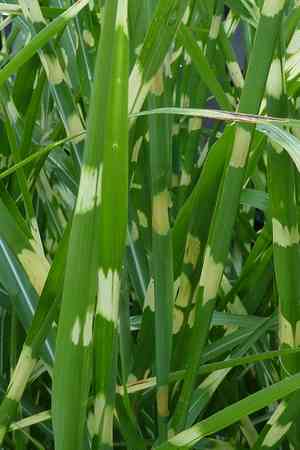
Chinese silver grass (Miscanthus sinensis)
Also known as: Susuki grass, Zebra grass
Miscanthus sinensis, also known as Chinese silver grass, is a perennial grass that reaches heights of 91 to 213 cm. It thrives in dense clumps originating from underground rhizomes. Primarily cultivated for its ornamental appeal, it features silvery leaves and flowers that vary in color depending on the cultivar. However, caution is advised when planting, as it can become invasive in certain regions.
In This Article
Attributes of Chinese silver grass
Lifespan
Perennial
Plant Type
Grass
Plant Height
1 m to 2 m
Spread
90 cm to 1.5 m
Leaf Color
Green White Variegated Yellow Silver
Flower Size
6 mm to 2 cm
Flower Color
Pink Red Silver White Cream Brown
Images of Chinese silver grass
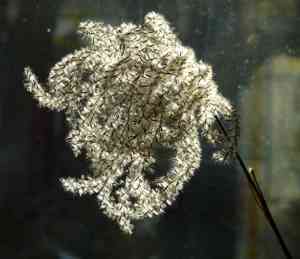

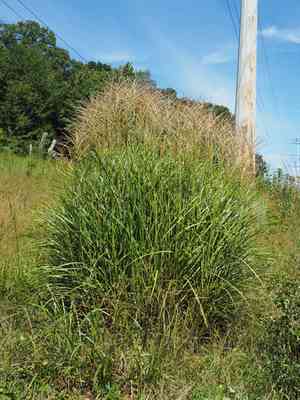
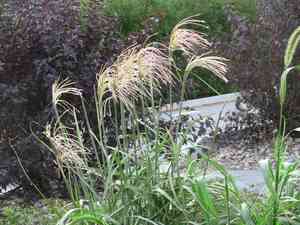
Quickly Identify Chinese silver grass
1
Terminal inflorescence with finger-like racemes (8 inches/20 cm long)
2
Arching leaves, 0.25-2 inches (0.6-5 cm) wide and 3-5 feet (91-152 cm) long
3
Sturdy cane-like stem, 0.5 inches (1.3 cm) thick, terminating in feathery inflorescence
Scientific Classification of Chinese silver grass
Phylum
Vascular plants
Class
Monocotyledons
Order
Grasses, sedges and allies
Family
Grass
Genus
Silvergrasses
Species
Chinese silver grass
Planting and Growing of Chinese silver grass
Care Difficulty
Easy
Watering Schedule
Every 2 days
Sunlight Requirements
Full sun
Sunshine Duration
6-12 hours
Ideal Temperature
60-80℉
Soil Type
Potting Mix, Peat Mix
Soil pH
5.5-7.5
Fertilizer Type
Balanced
Pruning Season
Spring, Summer
Pruning Area
Branches, Leaves
Pruning Frequency
2 times a year
Repotting Season
Spring
Pot Type
Terracotta, Plastic
 How to Water Chinese silver grass?
Miscanthus sinensis requires careful watering; aim for a deep soak up to 500 ml where water can reach the root zone. Ensure the soil is moist, but water should not pool on the surface. A deep watering approach encourages sturdy root development and resilience against drying out.
What are the symptoms of an underwatered Chinese silver grass?
›
What should I do if my Chinese silver grass is not getting enough water?
›
What are the symptoms of an overwatered Chinese silver grass?
›
How to save an overwatered Chinese silver grass?
›
 What Are the Sunlight Requirements for Chinese silver grass?
Miscanthus sinensis thrives best under full or partial sun, with at least four hours of sunlight. The ideal lighting nurtures lush, vibrant growth, supporting robust plant health and flowering capability.
More About Sunlight Requirements Techniques→
Getting Optimal Sunlight for Miscanthus sinensis
›
Preparing the Right Environment
›
Benefits of Ideal Lighting
›
 What Is the Ideal Temperature Range for Chinese silver grass?
Miscanthus sinensis thrives when grown in temperatures ranging between 60°F and 80°F. This ideal temperature range promotes healthy growth, ensuring that the plant's metabolic activities function at their best. Maintaining this temperature allows for proper chlorophyll production, essential for the photosynthesis process.
 What Soil is Best for Chinese silver grass?
Miscanthus sinensis thrives in well-drained soils, as standing water can lead to root rot and other issues. The ability of excess water to drain away promotes healthy root development and ensures the plant can access oxygen. A nutrient-rich soil provides essential minerals that support growth and foliage vibrancy in Miscanthus sinensis. Incorporating organic matter enhances nutrient availability and encourages a robust plant structure. Maintaining consistent moisture levels in the soil helps Miscanthus sinensis avoid stress during dry periods, promoting steady growth and preventing foliage damage. This balance is critical for optimal plant health.
More About Soil→
 How to Fertilize Chinese silver grass?
For Miscanthus sinensis, the recommended fertilizer amount varies based on growth stage and soil condition. Generally, about 1/4 pound of nitrogen per 100 square feet is sufficient for optimum growth. It's advisable to perform a soil test before fertilization to determine exact nutrient needs.
More About Fertilizing Techniques→
 How to Prune Chinese silver grass?
Before starting, clear the area around the plant to ensure safety and ease, removing any obstacles that could interfere with your work. Trim Miscanthus sinensis down to approximately 4 to 6 inches above the soil. This encourages new shoots to emerge efficiently and ensures optimal plant size and density. After pruning, gather all cuttings and dispose of them properly. Leaving debris around can lead to pest infestations and disease spread, so clean the area thoroughly.
 How to Propagate Chinese silver grass plant?
1
Collect seeds from the Miscanthus sinensis when the seed heads are mature and dry. Ensure that the collected seeds are fully matured by checking for hard and brown seed heads, which indicate readiness.
2
Prepare the soil by ensuring it is well-drained and enriched with organic matter. Plant seeds at a depth of about half an inch, covering them lightly with soil and water thoroughly to initiate germination.
3
For division propagation, carefully lift the mature clump of Miscanthus sinensis using a garden fork. Gently separate into smaller sections that have roots and shoots, replanting them in prepared locations promptly.
 How to Repot Chinese silver grass plant?
1
Keep an eye on the root system of Miscanthus sinensis. If roots begin to emerge from drainage holes or the plant shows stunted growth, it's time to repot. The best time to do this is during the growing seasons of spring and autumn when the plant can recover quickly. Regularly inspect your plant to avoid root-bound conditions.
2
Choose a pot one size larger in diameter and depth than the current one. This allows room for root growth and prevents waterlogging. Ensure the pot has ample drainage holes to avoid root rot. A ceramic or plastic pot can work well, providing good insulation and a steady temperature environment for roots.
3
Select a well-draining potting mix designed for ornamental grasses. A combination of peat, sand, and perlite in the soil mix aids in aeration and water drainage, essential for preventing waterlogged roots. The right soil will ensure the plant thrives and supports healthy growth and nutrient uptake.



