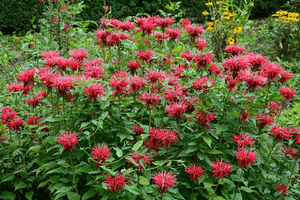
Scarlet beebalm (Monarda didyma)
Also known as: Oswego tea, Scarlet monarda
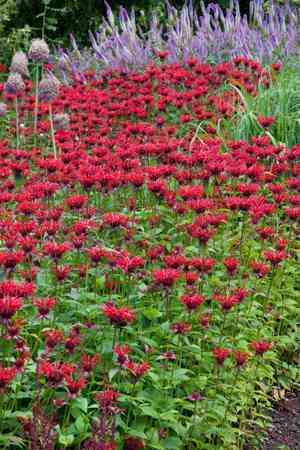
Bee Balm (Monarda didyma) is a perennial plant known for its striking bright-red flowers that bloom on stems up to 91 cm tall, making it a favorite among hummingbirds. The plant's leaves have a distinctive minty aroma and were used by the Oswego people to brew tea, a practice they shared with early European settlers in the New York region.
In This Article
Attributes of Scarlet beebalm
Lifespan
Perennial
Plant Type
Herb
Plant Height
70 cm to 1.5 m
Spread
60 cm to 90 cm
Leaf Color
Green
Flower Size
6 cm
Flower Color
Red Pink
Images of Scarlet beebalm
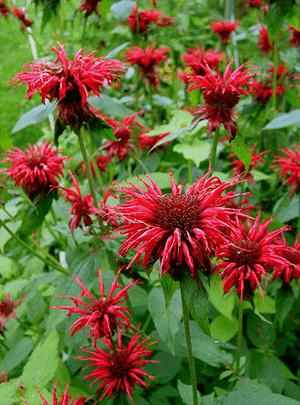
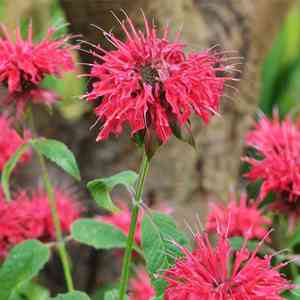
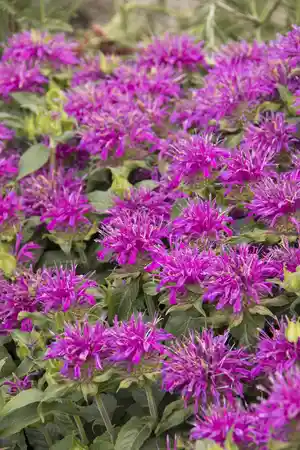
Quickly Identify Scarlet beebalm
1
Square stems with opposite hairy leaves.
2
Leafy shoots at leaf axils.
3
Scarlet flowers in compact heads.
4
Tubular flowers with 2-lipped lobes.
5
Dry ovoid nutlets in small clusters.
Scientific Classification of Scarlet beebalm
Phylum
Vascular plants
Class
Dicotyledons
Order
Mints plantains olives and allies
Family
Mint
Genus
Bergamot
Species
Scarlet beebalm
Planting and Growing of Scarlet beebalm
Care Difficulty
Easy
Watering Schedule
Every 8 days
Sunlight Requirements
Full sun
Sunshine Duration
6-10 hours
Ideal Temperature
65-75℉
Soil Type
Potting Mix, Peat Mix
Soil pH
5.5-7
Fertilizer Type
Balanced
Pruning Season
Spring, Summer
Pruning Area
Branches, Leaves
Pruning Frequency
2 times a year
Repotting Season
Spring
Pot Type
Plastic, Ceramic
 How to Water Scarlet beebalm?
Monarda didyma prefers consistently moist soil, but it should not be waterlogged. It is important to provide around 500ml of water per session, ensuring the water penetrates deeply into the soil. This encourages the roots to grow strong and resilient. Water until you see a little bit of moisture coming out from the bottom of the pot.
More About Watering Techniques→
What are the symptoms of an underwatered Scarlet beebalm?
›
What should I do if my Scarlet beebalm is not getting enough water?
›
What are the symptoms of an overwatered Scarlet beebalm?
›
How to save an overwatered Scarlet beebalm?
›
 What Are the Sunlight Requirements for Scarlet beebalm?
Monarda didyma benefits most from a light range of full sun to partial sun. This ensures the plant maintains its striking blooms and robust growth, contributing to a healthier and more vibrant display.
More About Sunlight Requirements Techniques→
How much light does Monarda didyma need?
›
What can I do to ensure Monarda didyma gets enough light?
›
What are the benefits of ideal lighting for Monarda didyma?
›
 What Is the Ideal Temperature Range for Scarlet beebalm?
For optimal growth, Monarda didyma prefers a temperature range between 65°F and 75°F. Within this range, the plant can actively photosynthesize, metabolize nutrients, and maintain healthy cellular functions, which contribute to its robust flowering and foliage development.
 What Soil is Best for Scarlet beebalm?
Monarda didyma thrives in well-drained soil, which prevents root rot and fungal diseases that can suffocate the plant. Ensuring good drainage will help the plant absorb essential nutrients more effectively, promoting robust growth and vibrant blooms. A nutrient-rich soil supply is vital for Monarda didyma as it supports its high growth rate. Enrich the soil with organic matter like compost or well-rotted manure to supply the necessary nutrients, leading to healthier foliage and flowers. Although Monarda didyma prefers well-drained soil, it also requires some moisture retention. Keeping the soil around the roots moist ensures that the plant does not dehydrate, especially during hotter periods, which can enhance the plant's vigor and resilience.
More About Soil→
 How to Fertilize Scarlet beebalm?
Monarda didyma thrives with moderate fertilization. Use about half the recommended dose on the label for liquid fertilizers to prevent overfeeding. For slow-release fertilizers, one-time applications should follow package directions, usually around a tablespoon per plant.
More About Fertilizing Techniques→
 How to Prune Scarlet beebalm?
Start by assessing the plant's overall shape and remove any dead or damaged stems. You can trim back up to one-third of the plant to encourage bushier growth. Focus on cutting just above a pair of leaves to allow the plant to branch out. This will help Monarda didyma maintain a neat and attractive form. Once the magnificent flowers of Monarda didyma start to fade, it's time for deadheading. Snip off the spent blooms just above the first set of healthy leaves. This encourages the plant to focus its energy on producing more blossoms rather than seed formation, resulting in a longer flowering period. Before winter sets in, conduct a more substantial pruning by cutting the plant down to about 6 inches above the ground. This prevents disease and pest harborage in the dead material and sets the stage for healthy spring regrowth when the temperatures warm up again.
More About Pruning Techniques→
 How to Propagate Scarlet beebalm plant?
1
Fill the seed tray with a light, well-draining seed-starting mix. Water the mix until it is moist but not soggy. Sow seeds of Monarda didyma on the surface and cover with a thin layer of soil.
2
Using sharp pruning shears, cut a healthy, non-flowering stem from the Monarda didyma plant. Each cutting should be about 4 to 6 inches long, with several leaves and nodes where new roots can form.
3
Carefully dig up the parent plant in early spring or autumn. Use a sharp knife or spade to divide the root clump into smaller sections, each with a good portion of roots and shoots, ensuring healthy growth when replanted.
 How to Repot Scarlet beebalm plant?
1
Recognizing the need to repot Monarda didyma involves observing signs such as roots growing out of drainage holes, slow growth, or the soil drying out too quickly. Ideally, repot when the plant shows these symptoms or during its dormancy in spring or autumn, ensuring minimal disturbance to its growing cycle.
2
Select a pot that is one size larger than the current one, with adequate drainage holes. This size ensures room for growth without overwhelming the plant, while proper drainage prevents root rot by allowing excess water to escape efficiently.
3
Opt for a well-draining potting mix that mimics the plant's natural environment, containing ingredients like peat, perlite, and compost. This combination ensures proper aeration and drainage, supporting healthy root development and preventing waterlogging.



