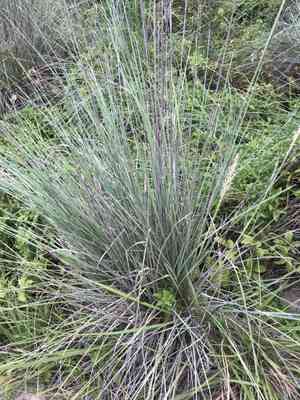
Lindheimer's muhly (Muhlenbergia lindheimeri)
Also known as: Blue muhly
Consider planting Lindheimer's muhly (Muhlenbergia lindheimeri) for your ornamental landscaping needs. This deer-resistant grass thrives in full sun and forms tall, attractive clusters that can provide natural screening. In autumn, it produces delicate, light-colored panicles, adding a touch of elegance to your garden.
In This Article
Attributes of Lindheimer's muhly
Lifespan
Perennial
Plant Type
Grass
Plant Height
61 cm to 1.5 m
Spread
90 cm to 1.2 m
Leaf Color
Green Blue Silver
Flower Size
6 mm to 3 cm
Flower Color
Purple Green Silver
Images of Lindheimer's muhly
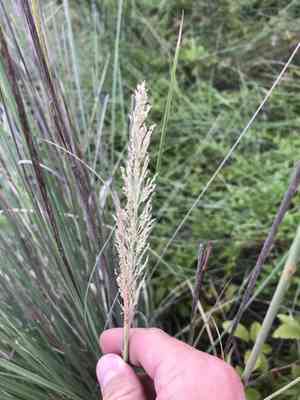
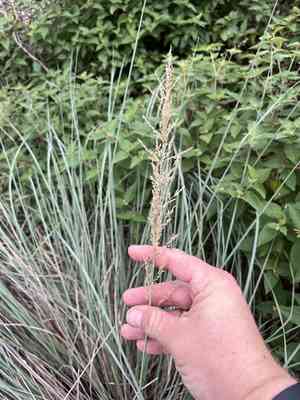
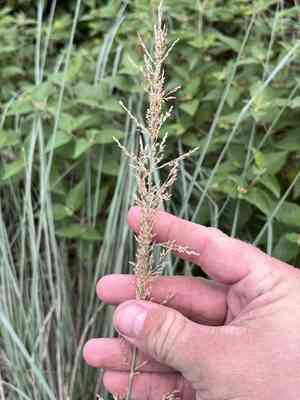
Quickly Identify Lindheimer's muhly
1
Clump-forming habit with blue-gray foliage
2
Upright flower inflorescences up to 6 feet (1.8 meters) tall
3
Initial purple tones on flowers mature to gray
4
Enchanting long-lasting blooms with a soft purplish-grey hue
5
Delicate and feathery inflorescences spanning 16 inches (40 cm)
Scientific Classification of Lindheimer's muhly
Phylum
Vascular plants
Class
Monocotyledons
Order
Poales
Family
Grass
Genus
Muhly
Species
Lindheimer's muhly
Planting and Growing of Lindheimer's muhly
Care Difficulty
Easy
Watering Schedule
Every 2 days
Sunlight Requirements
Full sun
Sunshine Duration
4-8 hours
Ideal Temperature
65-75℉
Soil Type
Potting Mix, Peat Mix
Soil pH
6.5-7.5
Fertilizer Type
Balanced
Pruning Season
Spring, Summer
Pruning Area
Branches, Leaves
Pruning Frequency
2 times a year
Repotting Season
Spring
Pot Type
Plastic, Ceramic
 How to Water Lindheimer's muhly?
Muhlenbergia lindheimeri, commonly known as Lindheimer's Muhly, thrives in well-drained soils. When watering, ensure the soil is moistened to a depth of about 6 inches. This usually requires around 500 milliliters of water per session, depending on the soil's composition. The key is to maintain lightly moist soil during the growing season and allow it to dry slightly between waterings.
What are the symptoms of an underwatered Lindheimer's muhly?
›
What should I do if my Lindheimer's muhly is not getting enough water?
›
What are the symptoms of an overwatered Lindheimer's muhly?
›
How to save an overwatered Lindheimer's muhly?
›
 What Are the Sunlight Requirements for Lindheimer's muhly?
Ideally, Muhlenbergia lindheimeri thrives with full to partial sunlight, around 6-8 hours each day. Proper lighting contributes to its vigorous growth, enhances its visual appeal, and guarantees plentiful flowering.
More About Sunlight Requirements Techniques→
How much sunlight does Muhlenbergia lindheimeri need?
›
What steps can be taken to achieve ideal light conditions?
›
What are the benefits of ideal lighting for this plant?
›
 What Is the Ideal Temperature Range for Lindheimer's muhly?
Muhlenbergia lindheimeri thrives best in temperatures between 65°F to 75°F because these conditions mimic its native habitats. This range allows for optimal growth, photosynthesis, and nutrient absorption, leading to the healthiest possible plant.
 What Soil is Best for Lindheimer's muhly?
Muhlenbergia lindheimeri thrives in well-drained soils that prevent waterlogging. Proper drainage is essential to avoid root rot and to support its drought-resistant nature. Though not extremely nutrient-demanding, a substrate rich in essential nutrients supports vigorous growth and flowering in Muhlenbergia lindheimeri. Natural compost can boost nutrient levels effectively. A moderate amount of organic matter helps maintain moisture while improving soil structure. This balance is crucial in fostering a healthy root environment for the plant.
 How to Fertilize Lindheimer's muhly?
For Muhlenbergia lindheimeri, it's important to use a balanced approach when determining fertilizer amounts. Typically, using a standard liquid fertilizer, apply at a concentration of 1/4 of the recommended dose monthly, as over-fertilization can lead to excessive growth that might flop under its own weight.
 How to Prune Lindheimer's muhly?
Before you start pruning, assess the overall health of Muhlenbergia lindheimeri. Identify and mark any dead or diseased stalks, which should be removed first to prevent any spread of decay or infection to healthy parts of the plant. Trim back the old stems to about 4-6 inches above the base to make way for fresh foliage. This should be done early in the growing season to allow new growth to develop and become lush throughout spring and summer. After pruning, ensure that all clippings and debris are properly disposed of to prevent potential pests and diseases. Composting the clippings is a sustainable way to return nutrients to the garden, but avoid composting if disease is present.
 How to Propagate Lindheimer's muhly plant?
1
Start by scattering seeds over a prepared seed tray filled with a good quality seed-starting mix. Lightly cover them with soil as they require light to germinate. Maintain moisture and place the tray in a well-lit, warm spot.
2
In early spring or fall, dig up mature Muhlenbergia lindheimeri plants. Use a sharp knife or trowel to divide the root ball into sections, ensuring each section has shoots and roots. Replant these divisions promptly at the same depth they were growing.
3
Once seedlings have developed several true leaves, they can be transplanted. Carefully transfer them to individual pots or directly into the garden, ensuring they are planted at the same depth as in the seed tray.
 How to Repot Lindheimer's muhly plant?
1
Look for signs such as roots growing out of drainage holes or soil drying out quickly after watering. These indicators mean the plant has outgrown its pot.
2
Choose a slightly larger pot with good drainage. A wider pot encourages healthier root spread and prevents waterlogging, supporting robust growth.
3
Opt for well-draining sandy loam soil. This type of soil ensures breathability and prevents root rot by avoiding excess moisture retention, crucial for healthy growth.



