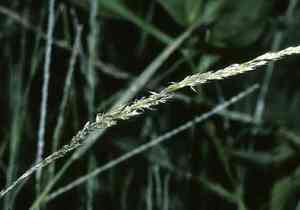
Nimblewill (Muhlenbergia schreberi)
Also known as: Nimbleweed
Nimblewill (Muhlenbergia schreberi) is a perennial grass that thrives in shady areas and is commonly found in lawns across eastern North America. Its name reflects its rapid growth rate.
In This Article
Attributes of Nimblewill
Lifespan
Perennial
Plant Type
Grass
Plant Height
23 cm to 46 cm
Spread
30 cm to 60 cm
Leaf Color
Green Blue
Flower Size
8 cm to 15 cm
Flower Color
Green
Images of Nimblewill
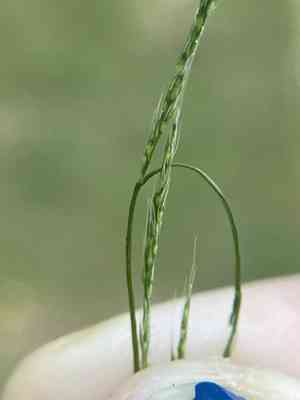
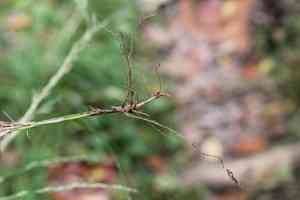
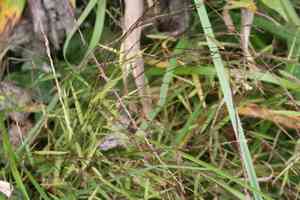
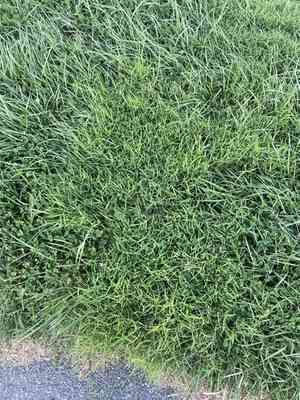
Quickly Identify Nimblewill
1
Mat-forming growth habit sets nimblewill apart in Poaceae family.
2
Flowers bear spikelets in narrow panicles measuring 2-8 inches (5-20 cm).
3
Small, spindle-shaped brownish grains exhibit wind-dispersed nature.
4
Leaf blades are smooth, textured, and up to 3.5 inches (9 cm) long.
5
Slender, wiry stem reaches 1/2 to 2 feet (15 to 60 cm) in length.
Scientific Classification of Nimblewill
Phylum
Vascular plants
Class
Monocotyledons
Order
Poales
Family
Grass
Genus
Muhly
Species
Nimblewill
Planting and Growing of Nimblewill
Care Difficulty
Easy
Watering Schedule
Every 3 days
Sunlight Requirements
Full sun
Sunshine Duration
6-10 hours
Ideal Temperature
60-75℉
Soil Type
Potting Mix, Peat Mix
Soil pH
6.5-7.5
Fertilizer Type
Balanced
Pruning Season
Spring, Summer
Pruning Area
Branches, Leaves
Pruning Frequency
2 times a year
Repotting Season
Spring
Pot Type
Plastic, Ceramic
 How to Water Nimblewill?
When watering Muhlenbergia schreberi, a rule of thumb is to water sufficiently so that moisture reaches at least 10-15 cm deep in the soil. This generally translates to about 200 ml per watering session. This amount ensures that the soil is moist but not saturated, supporting healthy root growth.
What are the symptoms of an underwatered Nimblewill?
›
What should I do if my Nimblewill is not getting enough water?
›
What are the symptoms of an overwatered Nimblewill?
›
How to save an overwatered Nimblewill?
›
 What Are the Sunlight Requirements for Nimblewill?
Muhlenbergia schreberi's ideal light range includes full to partial sun. Optimal light promotes vigorous growth patterns, enhances photosynthesis, and ensures structural integrity.
What type of sunlight does it require?
›
How to achieve optimal lighting?
›
What are the benefits of ideal lighting?
›
 What Is the Ideal Temperature Range for Nimblewill?
The ideal temperature range for Muhlenbergia schreberi is between 60°F and 75°F. This range ensures optimal growth and development of the plant. Within this temperature span, the plant can efficiently perform photosynthesis and maintain its metabolic processes. Maintaining this range is crucial in promoting healthy foliage and root development.
 What Soil is Best for Nimblewill?
Muhlenbergia schreberi thrives in well-drained soil, which prevents waterlogging that can lead to root rot. Ensuring good drainage improves plant vigor and longevity. This plant prefers soil with moderate nutrient levels, which supports steady growth without the risk of nutrient burn. Balanced nutrition fosters lush greenery. A mix rich in organic matter enhances soil structure and fertility. It provides Muhlenbergia schreberi with essential nutrients, promoting robust health and growth.
 How to Fertilize Nimblewill?
For Muhlenbergia schreberi, the fertilization amount should be moderate to ensure healthy growth. Use approximately 1/4 cup of balanced granular fertilizer per square foot during the active growing period. This helps to provide the essential nutrients without overwhelming the plant.
 How to Prune Nimblewill?
Begin by choosing sharp, clean pruning shears. Clean tools are essential to avoid transmission of diseases. Use them to carefully trim back dead or damaged stems first, then progressively move to shape the plant as desired. When pruning Muhlenbergia schreberi, aim to enhance its naturally airy and light texture. Trim back unruly stems to maintain a harmonious form and check for any crossing branches that may rub and cause damage.
 How to Propagate Nimblewill plant?
1
Prepare a well-draining seed bed with fertile soil. Ensure that the soil is loose and fine to facilitate seed germination. If starting indoors, use a seed tray filled with a mix of peat and vermiculite.
2
Sow the Muhlenbergia schreberi seeds lightly on the prepared seed bed. Cover them with a thin layer of soil. Water gently to avoid washing away the seeds, keeping the soil moist but not waterlogged.
3
During division propagation, carefully dig up the mature plant. Use garden shears to cut through the root ball, ensuring each division has both roots and shoots. Replant immediately into prepared soil.
 How to Repot Nimblewill plant?
1
Muhlenbergia schreberi should be repotted when you observe its roots growing out of the drainage holes, or when the plant appears to be wilting despite adequate care. This typically indicates that the plant has outgrown its current pot.
2
Opt for a pot that is 1-2 inches larger in diameter than the current one. Ensure it has sufficient drainage holes. This not only provides space for growth but also avoids waterlogging, which can harm root health.
3
A well-draining potting mix enriched with organic matter is ideal. Such soil composition ensures that the roots remain aerated and prevents the risk of root rot by allowing excess water to escape.


