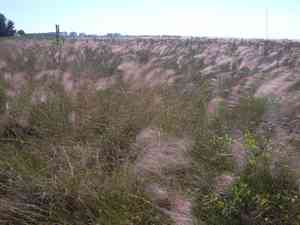
Gulf muhly (Muhlenbergia sericea)
Also known as: Gulf Muhly, Sweetgrass
Gulf muhly grass (Muhlenbergia capillaris) plays a crucial role in coastal ecosystems by stabilizing soil with its extensive root network, thus preventing erosion. The plant is renowned for its eye-catching, feathery pink to purple blooms, making it a favorite choice for ornamental gardening. Historically, it holds cultural significance, having been used by the Seminole Native Americans and Gullah African Americans for basket weaving, showcasing its versatility and importance in traditional crafts.
Attributes of Gulf muhly
Lifespan
Perennial
Plant Type
Grass
Plant Height
1.02 m
Spread
60 cm
Leaf Color
Green
Flower Size
Not applicable (grass)
Flower Color
Yellow Green Purple Red
Images of Gulf muhly
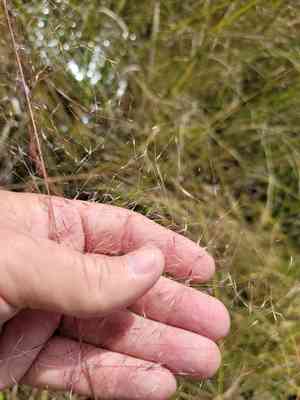
Quickly Identify Gulf muhly
1
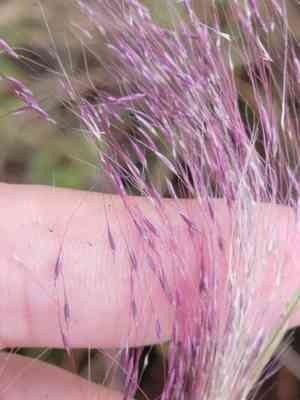
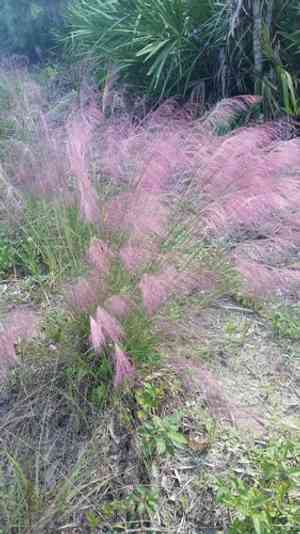
Delicate dark pink flowers extend a foot above foliage in autumn.
2
Panicles with lacy appearance, 7 to 24 inches (18 to 61 cm) long.
3
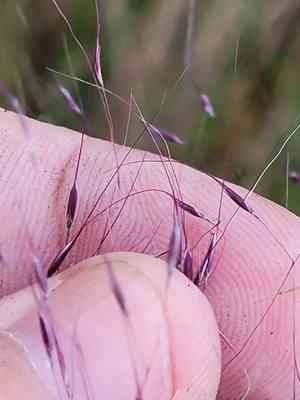
Distinctive fruit transitioning from pink to brown, likely caryopsis type.
4
Involute leaves, dark green upper surface, rough lower texture, 13 to 39 inches (33 to 99 cm) long.
5
Upright culms 2-5 feet (60-150 cm) tall, unbranched with smooth texture.
Scientific Classification of Gulf muhly
Phylum
Vascular plants
Class
Monocotyledons
Order
Poales
Family
Grass
Genus
Muhly
Species
Gulf muhly
Toxicity
None
WARNING
The judgment on toxicity and danger is for reference only. We DO NOT GUARANTEE any accuracy of such judgment. Therefore, you SHALL NOT rely on such judgment. It is IMPORTANT TO SEEK PROFESSIONAL ADVICE in advance when necessary.

