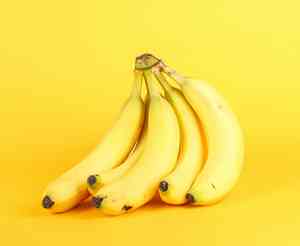
Edible banana (Musa acuminata)
Also known as: Monkey banana, Wild banana
Wheat (Triticum spp.) is a significant cereal crop native to Southwest Asia. Despite often being mistaken for a more recent agricultural development, wheat is actually one of the earliest plants domesticated by humans. Its cultivation marked a pivotal moment in agricultural history, leading to the rise of settled societies. Wheat remains a staple food globally and is also valued for its versatility in various culinary applications.
In This Article
Attributes of Edible banana
Lifespan
Perennial
Plant Type
Herb
Plant Height
5 m
Spread
1.8 m to 3 m
Leaf Color
Green
Flower Size
6 to 12 inches
Flower Color
White Yellow Cream Purple Red
Images of Edible banana
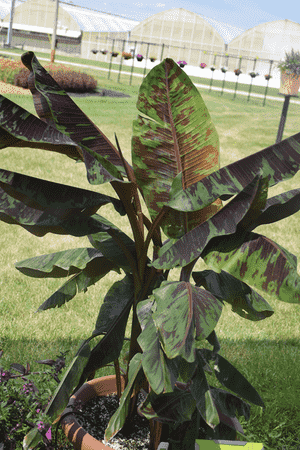
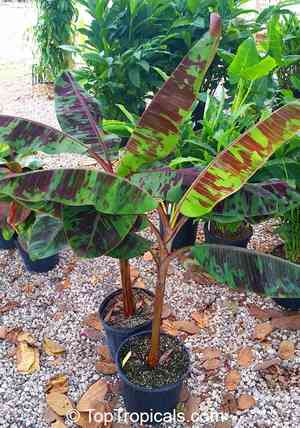
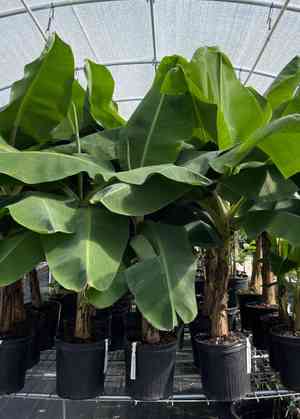
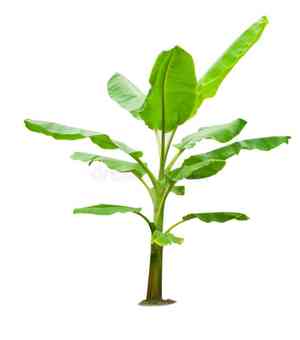
Quickly Identify Edible banana
1
Towering stalks up to 12 feet (3.7 meters) high
2
Pointed leaves reaching 9 feet (2.75 meters) in length
3
Purple-tinged bracts develop elongated fruit clusters
4
Fruit measures 6-8 inches (15-20 cm) with yellow peel
5
Seedless, creamy-white flesh with easy-to-peel textured skin
Scientific Classification of Edible banana
Phylum
Vascular plants
Class
Monocotyledons
Order
Gingers, bananas, and allies
Family
Banana
Genus
Musa
Species
Edible banana
Planting and Growing of Edible banana
Care Difficulty
Easy
Watering Schedule
Every 4 days
Sunlight Requirements
Full sun
Sunshine Duration
4-6 hours
Ideal Temperature
68-86℉
Soil Type
Potting Mix, Peat Mix
Soil pH
5.5-7
Fertilizer Type
Balanced
Pruning Season
Spring, Summer
Pruning Area
Branches, Leaves
Pruning Frequency
2 times a year
Repotting Season
Spring
Pot Type
Plastic, Ceramic
 How to Water Edible banana?
For Musa acuminata, the watering amount should be determined by the size of the plant and its potting conditions. Generally, 500 ml is sufficient to moisten the root zone thoroughly. Ensure water drains freely from the bottom of the pot, avoiding standing water.
More About Watering Techniques→
What are the symptoms of an underwatered Edible banana?
›
What should I do if my Edible banana is not getting enough water?
›
What are the symptoms of an overwatered Edible banana?
›
How to save an overwatered Edible banana?
›
 What Are the Sunlight Requirements for Edible banana?
The ideal light range includes partial sun, allowing the plant to thrive through photosynthesis, providing lush growth and keeping it productive.
More About Sunlight Requirements Techniques→
Optimal Positioning
›
Solution for Ideal Lighting
›
Benefits of Ideal Lighting
›
 What Is the Ideal Temperature Range for Edible banana?
The optimal temperature range for Musa acuminata, commonly known as the banana plant, is between 68°F and 86°F. In this range, the plant can efficiently photosynthesize and grow, leading to healthy development and fruit production. It is essential to maintain these conditions for optimal growth.
 What Soil is Best for Edible banana?
Musa acuminata thrives in soil that is rich in organic matter, providing the essential nutrients for vigorous growth and abundant fruit production. Incorporating compost and well-decomposed manure is highly beneficial. The roots of Musa acuminata can be sensitive to waterlogged conditions. Therefore, choosing a soil that facilitates excellent drainage is crucial to prevent root rot and promote healthy root development. While good drainage is important, the soil should also retain enough moisture to keep the banana plant consistently hydrated. This balance helps support the plant’s substantial water requirements, especially in warmer weather.
More About Soil→
 How to Fertilize Edible banana?
For Musa acuminata, it is important to provide a balanced mix of nutrients. When using liquid fertilizer, dilute it to half the recommended strength to avoid overwhelming the plant. Apply approximately 10 ml of the solution per plant, ensuring an even distribution around the base.
More About Fertilizing Techniques→
 How to Prune Edible banana?
Start by identifying dead or yellowing leaves. These are often found at the bottom of the plant. Cut them close to the stem but avoid damaging the main stalk. Suckers, or pups, compete for nutrients. Cut them away acutely if they aren’t needed for propagation. Aim for maintaining one or two strong suckers to replace the main stalk once it finishes fruiting. After the plant has fruited, trim the flower stalk to help redirect the plant's energy towards developing new growth and potential fruit production.
More About Pruning Techniques→
 How to Propagate Edible banana plant?
1
Ensure the parent plant is healthy and mature before division. Water the plant a day before propagation to reduce stress during the division process.
2
Carefully dig up the plant and separate the rhizomes, ensuring each piece has roots and at least one growing point. Use a clean, sharp knife to minimize damage.
3
Plant each division in a well-draining potting mix. Ensure the rhizome is just below the surface and water adequately to initiate growth.
 How to Repot Edible banana plant?
1
Musa acuminata shows signs of needing repotting when roots start to emerge from the drainage holes of its current pot, or if its growth appears stunted despite proper care. Spring or early summer is optimal for repotting, as it’s the main growing season, allowing the plant to recover quickly.
2
Select a pot that is one size larger than the current one, with good drainage holes to prevent waterlogging. A breathable material, like terracotta, is beneficial as it allows for evaporation and aeration, protecting roots from rot. This choice aids in maintaining a balanced moisture level for your banana plant.
3
Opt for a rich, well-draining soil mix that replicates the plant’s natural environment. Incorporating organic matter like compost can greatly enhance the soil's nutrient content and drainage capability, supporting vigorous growth and vibrant foliage in your banana plant.



