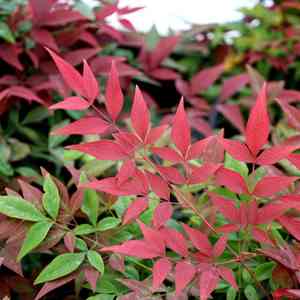
Heavenly bamboo (Nandina domestica)
Also known as: Sacred bamboo
Heavenly bamboo, despite its misleading name, is not a type of bamboo. It's a semi-evergreen shrub that resembles bamboo, which can cause confusion. One striking characteristic is its bright red berries, which are toxic to both humans and animals and should be avoided.
Attributes of Heavenly bamboo
Images of Heavenly bamboo
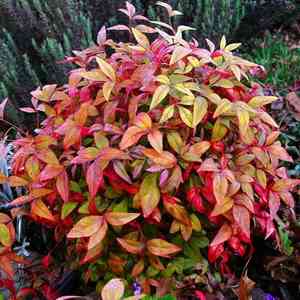
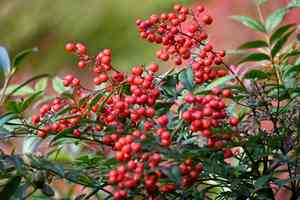


Quickly Identify Heavenly bamboo
Scientific Classification of Heavenly bamboo
Planting and Growing of Heavenly bamboo
 How to Water Heavenly bamboo?
 What Are the Sunlight Requirements for Heavenly bamboo?
 What Is the Ideal Temperature Range for Heavenly bamboo?
 What Soil is Best for Heavenly bamboo?
 How to Fertilize Heavenly bamboo?
 How to Prune Heavenly bamboo?
 How to Propagate Heavenly bamboo plant?
 How to Repot Heavenly bamboo plant?
Toxicity of Heavenly bamboo
Is Heavenly bamboo toxic to humans?
The berries of heavenly bamboo are regarded as highly toxic if consumed due to their hydrogen cyanide content. Although death is a preventable consequence, ingesting a significant amount of these berries can lead to cyanide poisoning, which might be fatal within minutes to a few hours. Typical side effects associated with the consumption of heavenly bamboo berries include vomiting, diarrhea, abdominal discomfort, nausea, and in some cases, seizures. Children are particularly at risk because the bright red berries are visually appealing.
Is Heavenly bamboo toxic to cat?
The heavenly bamboo (Nandina domestica) contains significant amounts of cyanogenic glycosides, rendering all its parts highly toxic to cats. It is crucial to seek veterinary assistance if any part of this plant is consumed. While the plant’s bitter flavor generally discourages pets from eating it in large amounts, ingestion can lead to severe symptoms, which may encompass bright red mucous membranes, difficulty in breathing, respiratory distress, coma, and potentially seizures.
Is Heavenly bamboo toxic to dog?
While dogs may come across heavenly bamboo used as an ornamental plant in homes, it's crucial to seek veterinary assistance immediately if they happen to chew on this highly toxic species. The berries, leaves, and stems all harbor cyanide, which can be lethal if consumed in significant quantities. Symptoms indicative of poisoning include vomiting, respiratory distress, and an elevated heart rate.



