
Wild daffodil (Narcissus pseudonarcissus)
Also known as: Lent lily, Trumpet narcissus, Daffodil
The wild daffodil, or Narcissus pseudonarcissus, is a perennial that emerges from bulbs. Known for its distinct pale-yellow petals and vibrant central trumpet, this flower is a popular ornamental choice. Naturally, it thrives in environments such as forests, grasslands, and rocky areas. It's important to note that its bulbs and leaves are toxic if consumed.
Attributes of Wild daffodil
Images of Wild daffodil
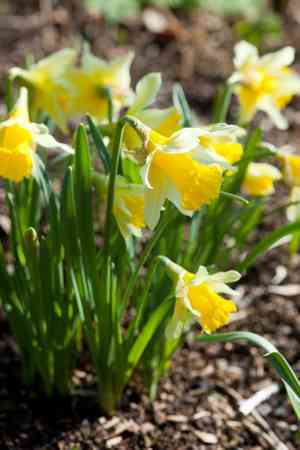



Quickly Identify Wild daffodil
Scientific Classification of Wild daffodil
Planting and Growing of Wild daffodil
 How to Water Wild daffodil?
 What Are the Sunlight Requirements for Wild daffodil?
 What Is the Ideal Temperature Range for Wild daffodil?
 What Soil is Best for Wild daffodil?
 How to Fertilize Wild daffodil?
 How to Prune Wild daffodil?
 How to Propagate Wild daffodil plant?
 How to Repot Wild daffodil plant?
Toxicity of Wild daffodil
Is Wild daffodil toxic to humans?
Wild daffodils possess a mild level of toxicity when their leaves or bulbs are consumed. Among these, the bulbs are the most poisonous component of the plant. Ingesting the bulbs may lead to symptoms such as vomiting, diarrhea, and excessive salivation. In cases where a substantial amount is consumed, one may experience convulsions, low blood pressure, tremors, and arrhythmias. Accidental ingestion by children is the most common cause of poisoning, particularly since wild daffodils are cultivated in gardens across the globe.
Is Wild daffodil toxic to cat?
The wild daffodil poses a toxic threat to cats. Should a cat consume any component of this plant, it could endure physical discomfort or health issues, since the entire wild daffodil possesses poisonous characteristics. Cats may inadvertently ingest portions of the plant during their explorations or while grooming, and they may quickly display symptoms of poisoning. Pet owners must remain alert for any indications of distress in their animals and should seek immediate veterinary care for evaluation and treatment.
Is Wild daffodil toxic to dog?
The wild daffodil is known to be toxic to dogs. Canines might unintentionally consume various parts of this plant, resulting in poisoning. Every component of the plant—including its leaves, stems, flowers, and bulbs—harbors harmful substances that can lead to negative health consequences for dogs. Signs of poisoning may manifest as vomiting, diarrhea, abdominal discomfort, irregular heart rhythms, seizures, and a significant drop in blood pressure. If a dog shows any of these symptoms after exposure to wild daffodil, it is crucial to obtain prompt veterinary attention to secure the best possible outcome for the animal.



