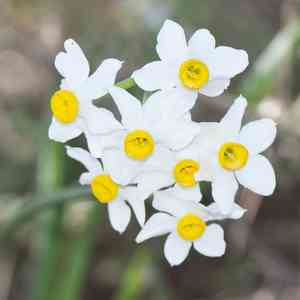
Chinese sacred lily(Narcissus tazetta)

Chinese sacred lily (Narcissus tazetta)

Also known as: Cream narcissus, Paperwhite

The Iris is an ornamental perennial plant that originates from a bulb and is native to the Mediterranean region. Widely cultivated worldwide, it serves as a significant source of essential oil in France.

Attributes of Chinese sacred lily

Lifespan
Perennial
Plant Type
Herb
Plant Height
30 cm to 80 cm
Spread
8 cm
Leaf Color
Green Blue
Flower Size
2.5 cm to 8 cm
Flower Color
White Yellow

PlantJoy - Identify plants with a snap

Identify and diagnose plants, get toxicity alerts, and explore safety guides for all types of fungi.

Try for Free

Images of Chinese sacred lily

Chinese sacred lily(Narcissus tazetta)

Quickly Identify Chinese sacred lily

1
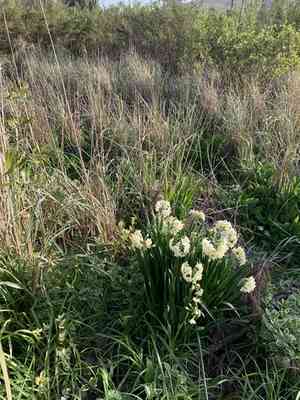
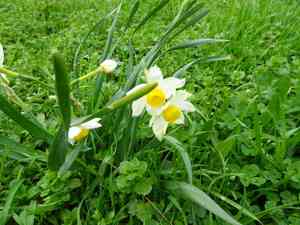
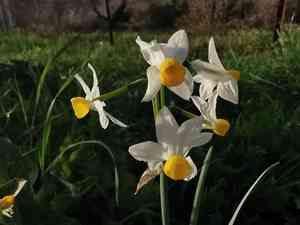
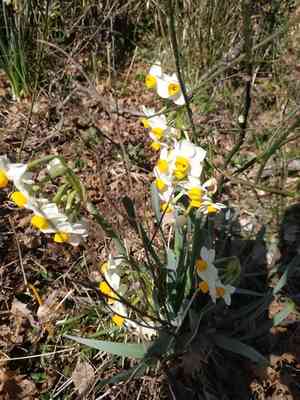
Fragrant flowers with white spreading perianth segments and a yellow corona.
2
Linear, flat leaves forming a lush backdrop for snowy blooms.
3
Perianth segments tubular at the base, broad ovate, and incurving.
4
Yellow cup-shaped corona less than an inch (2.5 cm) long and wide.
5
Basal, strap-like leaves with a keeled appearance and bluish-green glaucous hue.

Scientific Classification of Chinese sacred lily

Phylum
Vascular plants
Class
Monocotyledons
Order
Asparagales
Family
Amaryllis
Genus
Daffodils
Species
Chinese sacred lily

Planting and Growing of Chinese sacred lily

Care Difficulty
Easy
Watering Schedule
Every 3 days
Sunlight Requirements
Partial sun
Sunshine Duration
4-8 hours
Ideal Temperature
60-65℉
Soil Type
Potting Mix, Peat Mix
Soil pH
6.5-7.5
Fertilizer Type
Balanced
Pruning Season
Spring, Summer
Pruning Area
Branches, Leaves
Pruning Frequency
2 times a year
Repotting Season
Spring
Pot Type
Plastic, Ceramic

water icon How to Water Chinese sacred lily?

For Narcissus tazetta, consider watering such that the soil is evenly moist but not waterlogged. Each time, approximately 250 milliliters should be sufficient, making sure the water reaches the root zone while avoiding sogginess.
What are the symptoms of an underwatered Chinese sacred lily?
What should I do if my Chinese sacred lily is not getting enough water?
What are the symptoms of an overwatered Chinese sacred lily?
How to save an overwatered Chinese sacred lily?

sunlight icon What Are the Sunlight Requirements for Chinese sacred lily?

Sunlight Requirements: Partial sun
Duration of light: 4 to 6 hours
Partial sun environments are optimal, allowing the plant to absorb just enough sunlight for photosynthesis without risking leaf burn. This balance promotes lush growth and vibrant blooms.
How much sunlight does Narcissus tazetta need?
What are the solutions to achieve ideal lighting?
What are the benefits of ideal lighting?
More About Sunlight Requirements Techniques

temperature icon What Is the Ideal Temperature Range for Chinese sacred lily?

Ideal Temperature: 60 ~ 65℉
The ideal temperature for growing Narcissus tazetta is between 60°F and 65°F. This range ensures that the plant experiences optimal growth conditions, allowing for vibrant blooms and healthy foliage. It mimics the mild and stable climate of Mediterranean regions where this species naturally thrives.

soil icon What Soil is Best for Chinese sacred lily?

Soil type: Loam, Sandy soil
Soil PH: 6.5 ~ 7.5
Narcissus tazetta thrives in soil that retains moisture yet is well-drained. This balance prevents root rot while ensuring the plant has adequate water for growth, enhancing its vibrant blooms. Rich, loamy soil is ideal for providing essential nutrients. The presence of organic matter supports robust growth, ensuring the daffodils achieve their full flowering potential. While the soil should stay moist, it must also drain efficiently to prevent waterlogging. Well-drained sandy loam helps maintain root health and prevents fungal diseases.

fertilize icon How to Fertilize Chinese sacred lily?

Fertilizer type: Balanced
Narcissus tazetta prefers a balanced fertilizer ratio, typically around 10-10-10. When using liquid fertilizer, dilute it to half the recommended strength on the packaging to avoid root burn. For slow-release granules, use about 20 grams per square meter to ensure the nutrients are available throughout the growing season.

prune icon How to Prune Chinese sacred lily?

Pruning Time: Spring, Summer
Once the flowers have withered, you should carefully deadhead them by cutting below the flower head. This will prevent seed formation, ensuring that the plant's energy is directed towards building stronger bulbs. Allow the foliage to die back naturally and only prune it once it is yellow or brown. Cut the leaves to ground level, which helps in tidying the appearance of the plant until it blooms again. More About Pruning Techniques

propagate icon How to Propagate Chinese sacred lily plant?

Propagate Time: Autumn, Early autumn
1
Choose a well-drained location to plant the divided bulbs. This site should receive ample sunlight yet have protection from harsh winds. Ensure the soil is rich with organic matter, which is ideal for bulb growth.
2
Use a garden spade to gently lift the clump of bulbs from the soil. Start the digging process about 4-6 inches away from the base of the plant to avoid damaging the bulbs.
3
Carefully separate the bulb clumps by hand. Ensure each new section has at least one healthy bulb and some root system attached. Inspect for damaged or diseased bulbs and discard them.
More About Propagating Techniques

repot icon How to Repot Chinese sacred lily plant?

Repotting frequency: Every 2-3 years
1
Narcissus tazetta typically needs repotting when you notice signs of crowding or reduced flowering. The bulbs might start pushing out of the soil, or drainage might become poor. These signs, usually appearing every 2-3 years, signal it's time for a new home.
2
Select a pot that's roughly 2 inches larger in diameter than the current one to allow room for bulb growth. Ensure it has ample drainage holes to prevent waterlogging, which is crucial for healthy root development and to avoid rot.
3
A well-draining soil mix is essential for Narcissus tazetta. Opt for a blend that includes peat moss, perlite, and loamy soil. This composition ensures good aeration and moisture retention, which is vital for bulb health and robust flowering.

PlantJoy - Identify plants with a snap

Find the best spots for them to optimize their health, simply using your phone.

Try for Free

Toxicity of Chinese sacred lily

Is Chinese sacred lily toxic to humans?

The entire plant of the Chinese sacred lily is toxic to humans when consumed, with the bulbs being the most hazardous section. Accidental ingestion is the most common cause of poisoning from this plant. Illness resulting from the Chinese sacred lily can range from mild to moderate severity. Symptoms typically persist for several hours and can include vomiting, excessive salivation, oral irritation, stomach cramps, diarrhea, seizures, hypotension, tremors, and irregular heart rhythms. This ornamental plant is frequently found in gardens.

Is Chinese sacred lily toxic to cat?

The Chinese sacred lily presents a moderate toxicity risk to felines. Exposure typically happens when a cat consumes any portion of the plant. If intoxicated, a cat may exhibit signs of discomfort, including gastrointestinal distress, which requires immediate attention. Pet owners should exercise caution to keep their cats away from the Chinese sacred lily, ensuring they cannot nibble or ingest any part of the plant. Should ingestion and subsequent poisoning occur, it is crucial to take the cat to a veterinary clinic for proper care and treatment.

Is Chinese sacred lily toxic to dog?

The Chinese sacred lily presents a moderate toxicity threat to dogs. When dogs consume any part of this plant, they risk poisoning due to the harmful components present throughout its entirety. Symptoms that may develop after a dog ingests the Chinese sacred lily include gastrointestinal disturbances, such as vomiting and diarrhea, as well as more severe reactions like cardiac arrhythmias or effects on the central nervous system. It is essential for dog owners to keep their pets away from the Chinese sacred lily and to watch for any signs of distress if exposure occurs. If poisoning is suspected, seeking immediate veterinary assistance is crucial to secure the best possible outcome for the affected pet.

Identify toxic plants for your safety

Learn which plants are harmful to you and your pets, and make informed choices for a safer home!

Try for Free
WARNING
The judgment on toxicity and danger is for reference only. We DO NOT GUARANTEE any accuracy of such judgment. Therefore, you SHALL NOT rely on such judgment. It is IMPORTANT TO SEEK PROFESSIONAL ADVICE in advance when necessary.
More About Toxic Techniques