Finestem needlegrass(Nassella tenuissima)

Finestem needlegrass (Nassella tenuissima)

Also known as: Mexican needlegrass

*Nassella tenuissima*, commonly known as Mexican feathergrass, fineleaved nassella, finestem needlegrass, and Argentine needle-grass, is a grass species native to the southwestern United States, northern Mexico, and Argentina. It poses a significant risk to the Australian environment due to its ability to adapt well to the local climate and naturalize easily. Often used as an ornamental plant, it has escaped cultivation and become established in places like the San Francisco area. The widespread availability of this grass through online sales and other channels increases the likelihood of its introduction and spread in Australia. Notably, it resembles *Nassella trichotoma* (serrated tussock) and has been mistakenly identified as such in Australia, further complicating its management as an invasive weed.

Attributes of Finestem needlegrass

Lifespan
Perennial
Plant Type
Grass
Plant Height
30 cm to 61 cm
Spread
30 cm to 60 cm
Leaf Color
Green Gray Silver
Flower Size
2.5 cm to 8 cm
Flower Color
Green Brown Yellow

PlantJoy - Identify plants with a snap

Identify and diagnose plants, get toxicity alerts, and explore safety guides for all types of fungi.

Try for Free

Images of Finestem needlegrass

Finestem needlegrass(Nassella tenuissima)

Quickly Identify Finestem needlegrass

1
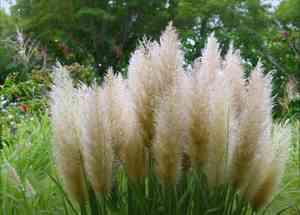
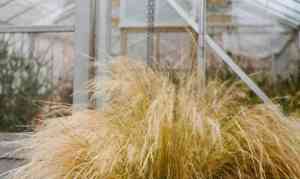
Fine, hair-like foliage forms a graceful mound 1-2 feet (30-60 cm) tall.
2
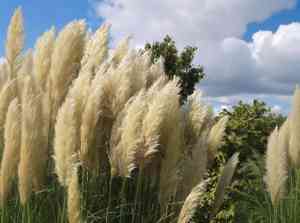
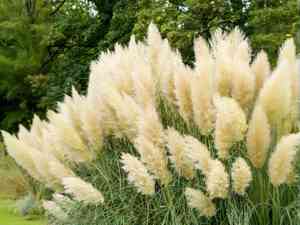
Delicate silver-hued inflorescence with hair-like structures shimmering in the breeze.
3
Narrow, tubular leaves are vibrant green, transitioning to light brown, reaching 12-18 inches (30-45 cm).
4
Upright stems maturing to tan, slender, smooth, hair-like texture, up to 3 feet (90 cm) tall.
5
Caryopsis fruits with hardened tan to light brown outer layer attached to fine, hairlike structures.

Scientific Classification of Finestem needlegrass

Phylum
Vascular plants
Class
Monocotyledons
Order
Poales
Family
Grass
Genus
Needlegrasses
Species
Finestem needlegrass

Planting and Growing of Finestem needlegrass

Care Difficulty
Easy
Watering Schedule
Every 3 days
Sunlight Requirements
Full sun
Sunshine Duration
4-8 hours
Ideal Temperature
65-77℉
Soil Type
Potting Mix, Peat Mix
Soil pH
6.5-7.5
Fertilizer Type
Balanced
Pruning Season
Spring, Summer
Pruning Area
Branches, Leaves
Pruning Frequency
Once a year
Repotting Season
Spring
Pot Type
Plastic, Ceramic

water icon How to Water Finestem needlegrass?

For Nassella tenuissima, it's crucial to maintain balanced moisture. The aim is to moisten the soil without making it soggy. Water approximately 250ml, just enough to ensure the top inch of soil feels damp but not waterlogged.
What are the symptoms of an underwatered Finestem needlegrass?
What should I do if my Finestem needlegrass is not getting enough water?
What are the symptoms of an overwatered Finestem needlegrass?
How to save an overwatered Finestem needlegrass?

sunlight icon What Are the Sunlight Requirements for Finestem needlegrass?

Sunlight Requirements: Full sun, Partial sun
Duration of light: 6 to 8 hours
Preferring full sun to partial sun, Nassella tenuissima benefits greatly from ample sunlight, supporting its lush growth and enhancing its fine, feathery texture.
Why is full sun preferred?
How to provide partial sun?
Benefits of ideal lighting?

temperature icon What Is the Ideal Temperature Range for Finestem needlegrass?

Ideal Temperature: 65 ~ 77℉
Nassella tenuissima thrives best within a temperature range of 65°F to 77°F. This range is optimal for facilitating essential physiological processes, ensuring healthy growth and vibrant foliage. It promotes effective cellular functions, allowing the plant to photosynthesize efficiently, uptake nutrients, and maintain a robust immune system.

soil icon What Soil is Best for Finestem needlegrass?

Soil type: Sandy soil, Sandy loam, Loam
Soil PH: 6.5 ~ 7.5
Nassella tenuissima thrives best in well-drained soil as it helps prevent waterlogging, which can lead to root rot. Ensuring good drainage is critical for the health of the roots, supplying sufficient air, and promoting robust growth. This plant does not demand highly fertile soil; instead, it prefers nutrient-poor conditions. This reduces competition with other species and encourages the characteristic wispy, ornamental appearance. A lower level of organic matter is ideal for Nassella tenuissima, as this mimics its natural habitat conditions. This prevents excessive moisture retention and supports better air circulation around the roots.

fertilize icon How to Fertilize Finestem needlegrass?

Fertilizer type: Balanced
For Nassella tenuissima, it's crucial to apply fertilizers sparingly as this grass thrives in poor soils. Too much fertilizer can lead to excessive growth that becomes unsightly and burdensome. Use only half the recommended dose on the fertilizer package and observe your plant's response.

prune icon How to Prune Finestem needlegrass?

Pruning Time: Spring, Summer
First, thoroughly inspect the plant to locate any dead, damaged, or brown foliage. These areas should be your primary focus as they can burden the plant and detract from its appearance. With clean, sharp scissors, gently trim away the dead or damaged blades of grass. Aim for a neat appearance without cutting too far into healthy green growth. After removing the unhealthy parts, shape the plant to maintain its natural arching form. Keep a gentle dome-like shape, which allows even sunlight distribution and promotes airflow.

propagate icon How to Propagate Finestem needlegrass plant?

Propagate Time: Spring, Early summer
1
Choose mature seeds from a healthy Nassella tenuissima plant. Ensure seeds are free from debris and visible damage for higher germination success.
2
Sow seeds evenly on the surface of a pre-moistened potting mix. Press them gently into the soil without covering completely as they need light to germinate.
3
For division, select an established plant in spring. Gently remove the plant from the ground, ensuring minimal disturbance to the root system for successful transplantation.

repot icon How to Repot Finestem needlegrass plant?

Repotting frequency: Every 2-3 years
1
Nassella tenuissima needs repotting when its roots start coming out of the drainage holes or when the soil is compacted and not retaining moisture well. These signs suggest the plant has outgrown its current pot and could benefit from fresh nutrients found in new soil.
2
Select a pot that is one size larger than the current one, with ample drainage holes to prevent waterlogging. A slightly bigger pot allows room for root growth, reducing the stress on roots and encouraging healthy development.
3
Opt for well-draining soil that can hold enough moisture but doesn't remain soggy. This type of soil prevents root rot by improving aeration and ensuring excess water flows out easily, which is crucial for Nassella tenuissima.

PlantJoy - Identify plants with a snap

Find the best spots for them to optimize their health, simply using your phone.

Try for Free