
Boston fern (Nephrolepis exaltata)
Also known as: Fishbone fern
The Calathea, often referred to as the prayer plant, is a well-loved houseplant originating from tropical regions. It thrives in humid conditions and benefits from regular misting. Importantly, Calatheas are pet-safe and non-toxic, making them an excellent choice for homes with animals.
In This Article
Plant Comprehensive Care Guide: Beginner's Introduction and Key Details
Perfect for beginners starting their plant care journey
→
10 Secrets to Making Boston fern Grow Faster (A Must-Read for Beginners)
Advanced tips to accelerate your plant's growth
→
Care "Black Tech": 10 Little-Known Highly Effective Maintenance Tips
Expert-level techniques for optimal plant care
→
Attributes of Boston fern
Lifespan
Perennial
Plant Type
Fern
Plant Height
40 cm to 250 cm
Spread
60 cm to 90 cm
Leaf Color
Green
Flower Size
Not Applicable
Flower Color
Not Applicable
Images of Boston fern
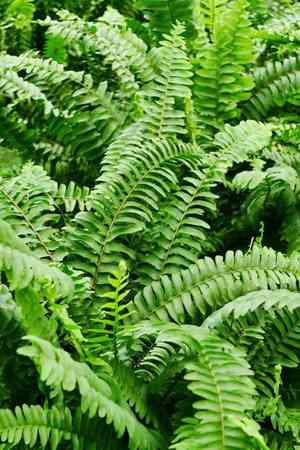

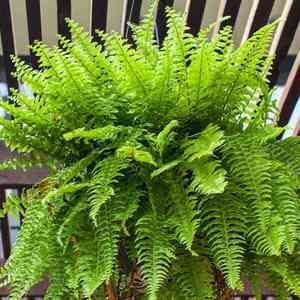

Quickly Identify Boston fern
1
Pinnately compound fronds up to 3 feet (90 cm) long with asymmetrical pinnae and basal auricle.
2
Distinct sori present as round dots neatly arranged underneath the pinnae, aiding fern identification.
3
Erect to arching or pendent fronds with linear-oblong pinnules, finely serrate margins, and crowded growth along stolons.
4
Short, suberect rhizomes and slender stolons, with fibrous texture and crucial for plant propagation.
5
Smooth stems with light brown to greenish hue, slightly raised rhizomes, and horizontally extending stolons.
Scientific Classification of Boston fern
Phylum
Vascular plants
Class
Ferns
Order
Polypodiales
Family
Swordfern
Genus
Boston ferns
Species
Boston fern
Planting and Growing of Boston fern
Care Difficulty
Easy
Watering Schedule
Every 8 days
Sunlight Requirements
Full shade
Sunshine Duration
4-6 hours
Ideal Temperature
65-75℉
Soil Type
Potting Mix, Peat Mix
Soil pH
6.5-7.5
Fertilizer Type
Balanced
Pruning Season
Spring, Summer
Pruning Area
Branches, Leaves
Pruning Frequency
2 times a year
Repotting Season
Spring
Pot Type
Plastic, Terracotta
 How to Water Boston fern?
The Boston fern needs enough water to keep the soil consistently moist but not soggy. Aim for roughly 250 ml each time, adjusting based on the plant and environment. Water until it begins to seep from the drainage holes, ensuring all roots receive moisture.
More About Watering Techniques→
What are the symptoms of an underwatered Boston fern?
›
What should I do if my Boston fern is not getting enough water?
›
What are the symptoms of an overwatered Boston fern?
›
How to save an overwatered Boston fern?
›
 What Are the Sunlight Requirements for Boston fern?
Partial sun exposure is ideal for Nephrolepis exaltata, as it enhances growth while preventing scorching. Adequate light ensures robust foliage and vibrant leaf color, critical for the plant's health and appearance.
More About Sunlight Requirements Techniques→
What is the ideal light level for Nephrolepis exaltata?
›
How can I achieve ideal lighting conditions indoors?
›
What are the benefits of providing ideal light conditions?
›
 What Is the Ideal Temperature Range for Boston fern?
The ideal temperature range for Nephrolepis exaltata, commonly known as the Boston Fern, is between 65°F and 75°F. This range provides the best conditions for the plant's growth, allowing it to thrive with lush foliage and optimal health. Maintaining this temperature range helps in preventing stress due to temperature fluctuations, ensuring a consistent environment for maximum vitality.
 What Soil is Best for Boston fern?
Soil with good drainage is crucial for Nephrolepis exaltata. Well-drained soil prevents root rot by allowing excess water to escape, ensuring the roots remain healthy and oxygenated. This keeps the fern lush and vibrant. Rich organic content in soil is beneficial for Nephrolepis exaltata. It provides essential nutrients and retains moisture, mimicking the plant's natural humid habitats. This leads to robust growth and vibrant foliage. The soil should retain adequate moisture without becoming soggy. This balance helps the fern receive enough water between waterings, which supports consistent nutrient uptake and healthy growth.
More About Soil→
 How to Fertilize Boston fern?
For Nephrolepis exaltata, apply liquid fertilizer at about one-quarter strength of the recommended dose on the label. When using solid fertilizers, lightly sprinkle a tablespoon around the base of the plant.
 How to Prune Boston fern?
Before you start pruning, familiarize yourself with the fern's structure. Nephrolepis exaltata, commonly known as Boston Fern, has lush, arching fronds that emerge from a central clump. Focus on identifying brown, wilted, or damaged fronds that detract from the overall appearance. Use a pair of sharp, clean pruning scissors or shears. Sterilize your tools with rubbing alcohol before and after pruning each plant to prevent the spread of disease. Proper tools ensure clean cuts, reducing stress and damage to the plant. Carefully inspect the plant and remove any brown, dead, or broken fronds at their base. Make clean cuts, close to the clump, to promote healthy new growth. Avoid tearing fronds away from the plant, as this can damage the base. If the fern appears dense and overgrown, selectively trim healthy fronds to enhance air circulation and light penetration. This encourages balanced growth and prevents fungal problems that may arise from overcrowding.
More About Pruning Techniques→
 How to Propagate Boston fern plant?
1
Select a robust parent plant that shows no signs of disease or stress. A healthy plant increases the chances of successful propagation and thriving new divisions.
2
Gently remove the parent plant from its pot to minimize root damage. Take your time to ensure all roots are preserved for division.
3
Using a sharp knife, separate the root ball into sections, each with ample roots and foliage. Ensure each division is sustainable on its own to promote independent growth.
 How to Repot Boston fern plant?
1
Monitor your Nephrolepis exaltata for signs such as roots growing out of the drainage holes or the potting soil drying out quickly after watering. These indicate it's time for repotting. Ideally, repotting should be done annually in spring or summer to boost its growth and rejuvenate the soil.
2
Select a pot slightly larger than the current one, with good drainage holes to prevent root rot. The new pot should offer enough space for root expansion while not being excessively large, which can lead to waterlogging and root rot.
3
Choose a high-quality, peat-based potting soil with excellent drainage and aeration. A soil mix rich in organic matter benefits the plant by retaining moisture without becoming waterlogged, supporting healthy fern growth.



