
Oleander (Nerium oleander)
Also known as: Nerium
Oleander (Nerium oleander) is a shrub or small tree renowned for its stunning pink flowers with five lobes and deep green, lance-shaped leaves. Despite its beauty, oleander is highly toxic and should be kept out of reach of children and pets.
Attributes of Oleander
Images of Oleander


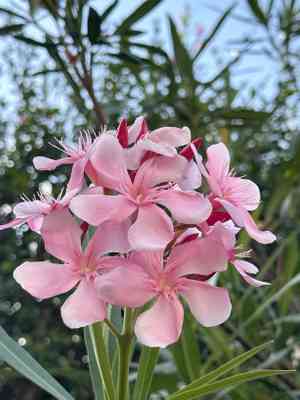

Quickly Identify Oleander
Scientific Classification of Oleander
Planting and Growing of Oleander
 How to Water Oleander?
 What Are the Sunlight Requirements for Oleander?
 What Is the Ideal Temperature Range for Oleander?
 What Soil is Best for Oleander?
 How to Fertilize Oleander?
 How to Prune Oleander?
 How to Propagate Oleander plant?
 How to Repot Oleander plant?
Toxicity of Oleander
Is Oleander toxic to humans?
Oleander is known to possess moderate to high levels of toxicity for humans. In cases of ingestion or contact with the sap of this plant, seeking immediate medical attention is crucial. Although instances of fatal oleander poisoning are quite rare, they can still occur. Every part of the oleander plant is toxic when consumed. Contact with the sap, which can be present throughout the plant and is more likely to occur if the plant is pruned or injured, can lead to skin reactions such as redness and itching. Symptoms that may arise from ingestion include low blood pressure, fatigue, erratic heart rhythms, blurred vision, confusion, diarrhea, vomiting, dizziness, fainting, and, in severe instances, death. It is essential to keep an eye on inquisitive children, as oleanders are commonly found as decorative plants in gardens and public parks globally.
Is Oleander toxic to cat?
The oleander (Nerium oleander) contains elevated levels of cardiac glycosides, rendering all its parts highly poisonous to cats. These glycosides have a direct impact on the heart, occasionally hindering its proper functioning. Fatal outcomes are possible, and immediate veterinary attention is critical if a cat consumes any portion of this plant.
Is Oleander toxic to dog?
Nerium oleander is extremely poisonous to dogs and can lead to death if consumed; treat any suspicion of ingestion by your dog as a medical emergency, as every part of this plant is toxic. Signs of poisoning may include a rapid heart rate and diarrhea. Prompt veterinary assistance is essential.



