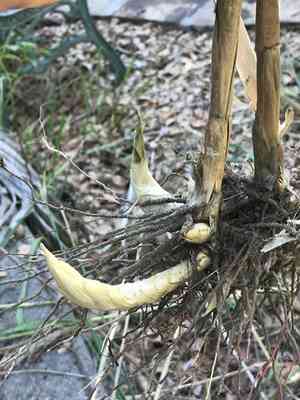
Silk-reed (Neyraudia reynaudiana)
Also known as: Burmese Reed, Silk Reed, Burma Reed
Pampas grass (Cortaderia selloana) features tall, shimmering flower plumes composed of many small blooms. In various regions, it is deemed an invasive species due to its tendency to dominate native vegetation and elevate fire hazards owing to its highly flammable nature.
In This Article
Attributes of Silk-reed
Lifespan
Perennial
Plant Type
Grass
Plant Height
91 cm to 4.5 m
Spread
Approximately 1 to 2 meters
Leaf Color
Green Blue
Flower Size
2 mm to 3 mm
Flower Color
Yellow Green Purple Brown
Images of Silk-reed
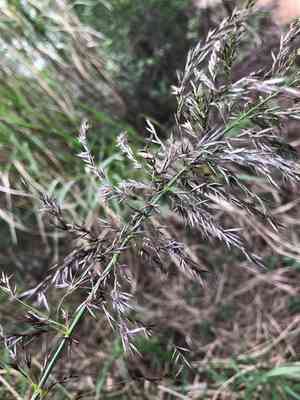
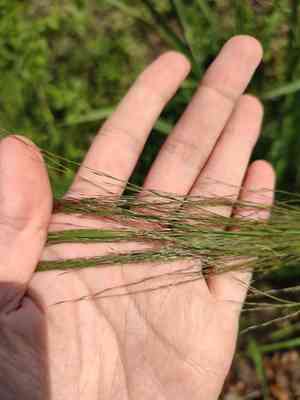
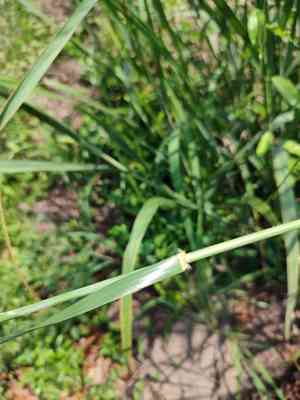
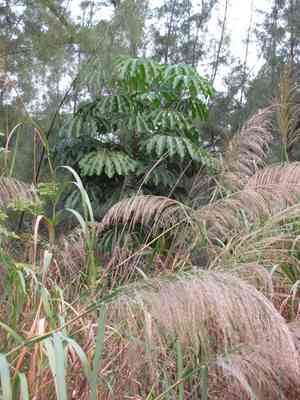
Quickly Identify Silk-reed
1
Thick blue-green culms reach 6-15 feet (1.8-4.6 meters) tall, with nodes every 6 inches (15 cm).
2
Narrow, erect green leaves grow up to 1 foot long (30 cm) on the perennial grass.
Scientific Classification of Silk-reed
Phylum
Vascular plants
Class
Monocotyledons
Order
Poales
Family
Grass
Genus
neyraudia
Species
Silk-reed
Planting and Growing of Silk-reed
Care Difficulty
Easy
Watering Schedule
Every 3 days
Sunlight Requirements
Full sun
Sunshine Duration
4-8 hours
Ideal Temperature
60-80℉
Soil Type
Potting Mix, Peat Mix
Soil pH
6.5-7.5
Fertilizer Type
Balanced
Pruning Season
Spring, Summer
Pruning Area
Branches, Leaves
Pruning Frequency
2 times a year
Repotting Season
Spring
Pot Type
Plastic, Ceramic
 How to Water Silk-reed?
Neyraudia reynaudiana should be watered until the top 5 centimeters of the soil feel consistently moist. This equates to roughly 1000 milliliters per session, depending on the soil and plant size. The key is to ensure that the water reaches the roots but does not lead to waterlogging.
What are the symptoms of an underwatered Silk-reed?
›
What should I do if my Silk-reed is not getting enough water?
›
What are the symptoms of an overwatered Silk-reed?
›
How to save an overwatered Silk-reed?
›
 What Are the Sunlight Requirements for Silk-reed?
Partial to full sunlight benefits Neyraudia reynaudiana by promoting dense foliage and robust growth. Adequate light exposure is essential for strong photosynthetic activity, aiding in energy production and nutrient synthesis for overall plant vigor.
More About Sunlight Requirements Techniques→
Optimal Sunlight Hours
›
Avoiding Excessive Heat
›
Enhancing Photosynthesis
›
 What Is the Ideal Temperature Range for Silk-reed?
Neyraudia reynaudiana thrives best in temperatures ranging from 60°F to 80°F. This temperature range supports healthy growth and ensures optimal photosynthetic activity, allowing the plant to develop robust leaves and a dense root system.
 What Soil is Best for Silk-reed?
Neyraudia reynaudiana thrives in well-drained soils that prevent waterlogging. Proper drainage promotes healthy root development and prevents root rot, ensuring the plant's overall vitality. This plant prefers soil with moderate fertility. Excessive nutrients can lead to weak stems and overgrowth, while moderate fertility supports balanced growth and robust structure. A soil with a loose texture allows for easy root expansion and increased aeration, which are critical for healthy plant growth and nutrient uptake.
 How to Fertilize Silk-reed?
For Neyraudia reynaudiana, it's essential to provide moderate amounts of fertilizer. During the growing season, apply approximately 50-100 grams of balanced fertilizer per plant, ensuring that the fertilizer is evenly distributed around the base. This promotes even growth without risking root burn.
 How to Prune Silk-reed?
Begin by selecting a sharp pair of pruning shears to ensure clean cuts, which help prevent diseases. Focus on the removal of dead and damaged stems to encourage new and healthy growth. It is best to prune from the base upwards, removing any weak or thin stems close to the ground. Ensure that the cuts are made at a 45-degree angle to facilitate water runoff, thus preventing rot.
More About Pruning Techniques→
 How to Propagate Silk-reed plant?
1
Collect mature seeds from the plant and soak them in water for 24 hours to soften the seed coat, which can speed up the germination process. After soaking, spread the seeds on a clean paper towel to dry them before sowing.
2
Fill seed trays with a well-draining seed-starting mix. Sow the seeds evenly over the surface, lightly press them into the soil, and cover gently with a thin layer of soil. Water gently to ensure soil contact with the seeds.
3
For division propagation, carefully remove the whole plant from the soil and gently shake off excess dirt. Use pruning shears to divide the plant into sections, ensuring each division has a portion of roots or rhizomes for successful regrowth.
 How to Repot Silk-reed plant?
1
Keep an eye out for roots starting to grow out of the drainage holes or when the growth rate seems stagnant. These signs indicate Neyraudia reynaudiana needs more space. Ideally, you should plan to repot in spring or autumn when the plant experiences active growth and can recover quickly from the repotting process.
2
Select a pot that's 1-2 inches larger in diameter than the current pot. This slight increase allows the roots to spread without overwhelming them with too much new space, which helps prevent overwatering issues. Ensure the pot has good drainage holes to allow excess water to escape.
3
Opt for well-draining sandy soil to ensure proper aeration and prevent waterlogging. This soil type allows excess moisture to drain quickly, reducing the risk of root rot and promoting a healthy growth environment for Neyraudia reynaudiana.



