
Tanoak (Notholithocarpus densiflorus)
Also known as: Mutant Tanoak
The tanoak tree, scientifically known as Notholithocarpus densiflorus, is not a true oak but is related to both oaks and chestnuts, belonging to the beech family. These versatile trees can reach heights of up to 200 feet (about 61 meters). They produce distinctive spiky acorns that serve as a food source for various wildlife, including squirrels.
In This Article
Attributes of Tanoak
Lifespan
Perennial
Plant Type
Tree
Plant Height
15 m to 40 m
Spread
9 m
Leaf Color
Green Blue
Flower Size
5 cm to 10 cm
Flower Color
Yellow Green
Images of Tanoak


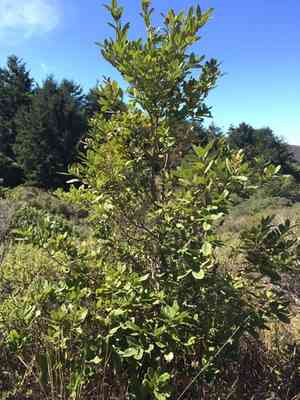
Quickly Identify Tanoak
1
Conical to rounded form reaching 20-80 feet (6-24 meters) in height.
2
Distinct reddish-brown bark with furrows and ridges.
3
Male catkins 2-4 inches (5-10 cm) long transitioning from white to rust.
4
1-inch (2.5 cm) acorns with shallow caps and dense bristles.
5
Simple, oblong, dark green leaves with whitish-blue undersides.
Scientific Classification of Tanoak
Phylum
Vascular plants
Class
Dicotyledons
Order
Fagales
Family
Beech
Genus
Notholithocarpus
Species
Tanoak
Planting and Growing of Tanoak
Care Difficulty
Hard
Watering Schedule
Every 3 days
Sunlight Requirements
Partial sun
Sunshine Duration
4-8 hours
Ideal Temperature
50-75℉
Soil Type
Potting Mix, Peat Mix
Soil pH
6.5-7.5
Fertilizer Type
Balanced
Pruning Season
Spring, Summer
Pruning Area
Branches, Leaves
Pruning Frequency
2 times a year
Repotting Season
Spring
Pot Type
Plastic, Ceramic
 How to Water Tanoak?
For Notholithocarpus densiflorus, ensure that the soil is evenly moist but not waterlogged. Aim to provide around 500 milliliters per watering session, allowing the water to soak through to the roots yet not remain standing in the pot or ground, which could lead to root rot.
What are the symptoms of an underwatered Tanoak?
›
What should I do if my Tanoak is not getting enough water?
›
What are the symptoms of an overwatered Tanoak?
›
How to save an overwatered Tanoak?
›
 What Are the Sunlight Requirements for Tanoak?
Partial sun to full shade is ideal, with benefits including ample energy for growth, reduced risk of sunburn, and optimal leaf coloration. This range supports balanced photosynthesis and robust development.
More About Sunlight Requirements Techniques→
Best Time of Day for Sunlight
›
Indoor vs Outdoor Placement
›
Balancing Light with Humidity
›
 What Is the Ideal Temperature Range for Tanoak?
The ideal temperature range for Notholithocarpus densiflorus, commonly known as the tanoak, is between 50°F and 75°F. In this range, the plant can perform photosynthesis efficiently without stress, promoting healthy growth and vitality. Maintaining this temperature aids in proper respiration and metabolic processes, ensuring robust development.
 What Soil is Best for Tanoak?
Notholithocarpus densiflorus thrives in loamy soil which retains moisture yet ensures proper drainage. This balance helps prevent root rot and supports healthy growth by providing consistent water availability. This plant prefers slightly acidic soil, with optimal pH levels between 6.5 and 7.5. Acidic environments enhance nutrient availability, promoting robust foliage and strong root systems. Rich organic content in the soil promotes healthy growth and resistance to diseases. The presence of decomposed material supports the plant's nutrient demands and encourages vigorous development.
 How to Fertilize Tanoak?
For Notholithocarpus densiflorus, use a balanced 10-10-10 fertilizer for optimal growth. When applying liquid fertilizer, dilute it to half strength to avoid over-fertilization and apply evenly around the base of the plant.
 How to Prune Tanoak?
Before any cuts, evaluate the overall structure of Notholithocarpus densiflorus. Identify dead, diseased, or crossing branches. Removing these first helps prevent the spread of pathogens and encourages a balanced growth habit, maintaining a pleasing natural shape. When pruning, make clean cuts at an angle to promote water runoff, reducing the risk of diseases and rot. Trim back to a lateral branch or a bud to encourage new growth. Avoid leaving stubs as they can rot and attract pests, negatively affecting plant health. Notholithocarpus densiflorus can be pruned throughout the year. Each season provides different benefits: spring cuts encourage growth, summer helps shape, autumn prepares for dormancy, and winter allows for structural enhancements. Tailor your pruning techniques to the season for optimal results.
More About Pruning Techniques→
 How to Propagate Tanoak plant?
1
Gather mature seeds from the Notholithocarpus densiflorus in autumn. Make sure the seeds are fully ripe and collected from healthy parent plants.
2
Select healthy branches and make a clean cut below the node in early spring. Ensure the cuttings are 6-8 inches long and have at least two nodes.
3
Use well-draining soil mixed with organic matter. Moisten the soil before planting the seeds or cuttings to enhance initial moisture retention.
 How to Repot Tanoak plant?
1
Repot Notholithocarpus densiflorus when you notice roots circling the pot or emerging from the drainage holes. Another signal is when the soil dries out too quickly after watering. This usually indicates the pot has become root-bound, and it's time for a bigger home.
2
Select a pot that is one size larger than the current one. Ensure it has good drainage to prevent waterlogging, which can cause root rot. The pot should be sturdy enough to support the plant's weight and growth without tipping over easily, contributing to the plant's stability and health.
3
Opt for a well-draining potting mix enriched with organic matter. This type of soil ensures that excess water can escape easily, preventing root rot. The organic matter provides the necessary nutrients for robust growth, encouraging the healthy development of roots and foliage.
Toxicity
Ingestion
WARNING
The judgment on toxicity and danger is for reference only. We DO NOT GUARANTEE any accuracy of such judgment. Therefore, you SHALL NOT rely on such judgment. It is IMPORTANT TO SEEK PROFESSIONAL ADVICE in advance when necessary.



