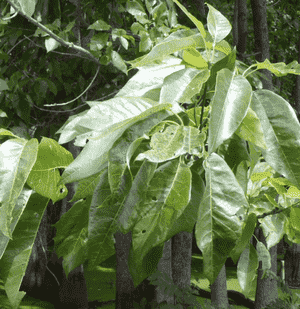
Water tupelo (Nyssa aquatica)
Also known as: Tupelo-gum, Water-gum
The American Ash (Fraxinus americana) is a durable deciduous tree that thrives in various landscapes, including urban settings. In spring, it produces clusters of greenish-white flowers that attract various pollinators. The tree is also known for its dark green leaves that transform into a striking yellow during the fall, adding seasonal beauty to the environment. Additionally, it produces seeds that provide food for birds and other wildlife.
In This Article
Attributes of Water tupelo
Lifespan
Perennial
Plant Type
Tree
Plant Height
18 m to 30 m
Spread
8 m to 15 m
Leaf Color
Green
Flower Size
0.6-1 centimeters
Flower Color
Green White
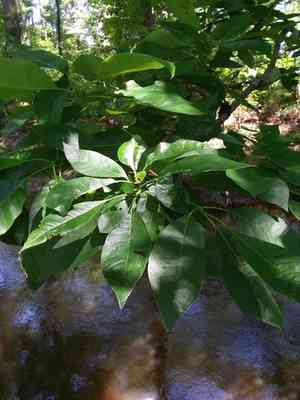
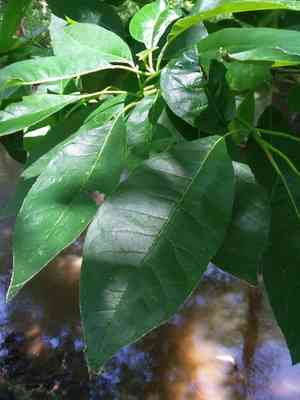
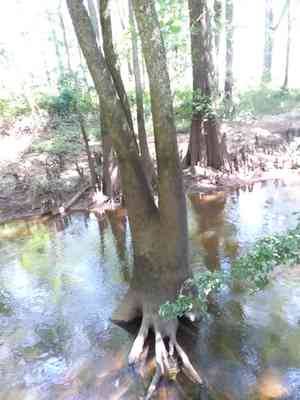
Images of Water tupelo
Quickly Identify Water tupelo
1
Large, glossy leaves measuring 4-8 inches (10-20 cm) in length and 2-4 inches (5-10 cm) in width.
2
Greenish-white flowers blooming in spring, with male clusters about 1 inch (2.5 cm) across.
3
Oblong, dark purple fruit up to 1 inch (2.54 cm) in length, encasing acidic flesh and a central seed.
4
Robust trunk with dark brown to grey scaly bark featuring fine fissures, adapting to aquatic habitat.
5
Straight stem reaching up to 70 feet (21 meters), with a branching pattern and smooth to furrowed texture.
Scientific Classification of Water tupelo
Phylum
Vascular plants
Class
Dicotyledons
Order
Cornales
Family
Tupelo
Genus
Tupelo
Species
Water tupelo
Planting and Growing of Water tupelo
Care Difficulty
Easy
Watering Schedule
Every 8 days
Sunlight Requirements
Full sun
Sunshine Duration
4-6 hours
Ideal Temperature
60-80℉
Soil Type
Potting Mix, Peat Mix
Soil pH
5.5-6.8
Fertilizer Type
Balanced
Pruning Season
Spring, Summer
Pruning Area
Branches, Leaves
Pruning Frequency
2 times a year
Repotting Season
Spring
Pot Type
Plastic, Ceramic
 How to Water Water tupelo?
The watering amount for Nyssa aquatica should be around 500 milliliters each time. This tree enjoys moist conditions similar to its native swampy habitats. Water until the soil feels consistently damp but not waterlogged, ensuring the roots have enough moisture to draw from.
What are the symptoms of an underwatered Water tupelo?
›
What should I do if my Water tupelo is not getting enough water?
›
What are the symptoms of an overwatered Water tupelo?
›
How to save an overwatered Water tupelo?
›
 What Are the Sunlight Requirements for Water tupelo?
Nyssa aquatica prefers a light range from full to partial sun, benefiting most from approximately 6 to 8 hours of sunlight each day. This exposure ensures its leaves are vibrant and its growth is robust.
More About Sunlight Requirements Techniques→
How much sunlight does Nyssa aquatica prefer?
›
What are the best strategies for achieving ideal sunlight conditions?
›
What benefits does ideal sun exposure bring to this plant?
›
 What Is the Ideal Temperature Range for Water tupelo?
The ideal temperature range for Nyssa aquatica lies between 60°F and 80°F. At these temperatures, the plant can effectively photosynthesize and grow, maintaining its overall vigor and health. Optimal growth and metabolic processes occur at these temperatures, making it critical to keep the environment within this range for ideal plant development.
 What Soil is Best for Water tupelo?
Nyssa aquatica thrives in soils that retain moisture well. This characteristic is crucial because it often grows in wetland areas or flood-prone regions, assisting the plant in maintaining vital hydration during dry spells. This plant requires a soil that is rich in organic matter. A high concentration of nutrients supports its robust growth and ability to produce ample foliage, which is important for its survival and ecological role. While Nyssa aquatica prefers wet conditions, it’s important that the soil still allows excess water to drain efficiently. Adequate drainage prevents root rot, ensuring the plant's health and longevity.
 How to Fertilize Water tupelo?
For Nyssa aquatica, it's ideal to apply liquid fertilizer at a concentration of 10-10-10 (NPK) diluted to half the recommended strength on the label. Ensure even distribution to prevent root damage and promote balanced growth.
 How to Prune Water tupelo?
Avoid pruning in late summer or autumn, as this can encourage new growth prone to frost damage. Instead, prune during early spring or after the flowering period in early summer. Regularly check for signs of stress or disease, and evaluate whether pruning is necessary based on the tree's overall health. Prioritize removing the most problematic growths first. While it may be tempting to manipulate the tree's shape significantly, maintain its natural structure. Over-pruning can stress the tree, leading to undesirable growth patterns or reduced vitality.
More About Pruning Techniques→
 How to Propagate Water tupelo plant?
1
Collect mature seeds from Nyssa aquatica fruits in late autumn. Ensure the seeds are fully developed to increase the chances of successful germination.
2
Nyssa aquatica seeds require a cold stratification process. Store seeds in a moist, cold environment, such as a refrigerator, for 60 to 90 days before planting to simulate winter conditions.
3
After stratification, sow the seeds in a seed tray filled with quality soil. Place them at least an inch deep and water them gently. Keep the soil consistently moist but not soggy.
 How to Repot Water tupelo plant?
1
Nyssa aquatica, also known as the water tupelo, signals it's time to repot when you notice roots protruding from the drainage holes, or if growth appears stunted despite proper care. Perform this task in spring or autumn to coincide with its natural growth cycle, ensuring minimal stress to the plant.
2
Choosing the right pot for your Nyssa aquatica is crucial. Opt for a pot with good drainage to prevent waterlogging, which can harm its roots. A slightly larger pot than the current one allows for root expansion. This encourages healthy growth and supports its preference for a stable, moist environment.
3
Select a soil mix that retains moisture yet remains acidic, resembling the wetland habitats Nyssa aquatica thrives in. A blend of peat moss, a little sand, and perlite works well. This composition ensures proper aeration and moisture retention, providing a balanced environment for healthy root development.
Learn More About Water tupelo Diseases
Anthracnose
Bacterial Leaf Spot
Bacterial Soft Rot
Bacterial Wilt
Black Spot
Chemical Injury
Crown Gall
Damping-off
Downy Mildew
Drought Stress
Fusarium Wilt
Gray Mold
Leaf Curl
Leaf Spot
Mosaic
Nutrient Deficiency
Nutrient Toxicity
Powdery Mildew
Root Rot
Root-knot Nematode
Rusts
Sooty Mold
Spider Mites
Temperature Stress
Thrips Damage
White Mold



