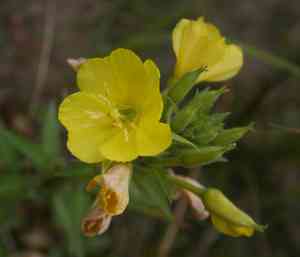
Common evening-primrose (Oenothera biennis)
Also known as: King's cure-all, German rampion
The Evening Primrose (Oenothera biennis) is a herbaceous perennial known for its yellow blooms that open in the evening and close by morning. It is commonly grown as an ornamental plant, especially in regions susceptible to drought. Native American tribes utilized its roots as a food source. However, consuming this plant has been linked to potential side effects such as headaches and diarrhea.
In This Article
Attributes of Common evening-primrose
Lifespan
Biennial, Perennial, Annual
Plant Type
Herb
Plant Height
30 cm to 2 m
Spread
60 cm to 90 cm
Leaf Color
Green
Flower Size
2.5 cm to 5 cm
Flower Color
Yellow Gold
Images of Common evening-primrose
Quickly Identify Common evening-primrose
1
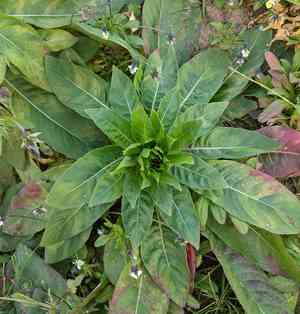
Sturdy plant, 3-5 feet tall (90-150 cm), with lance-shaped leaves in rosette and on stem.
2
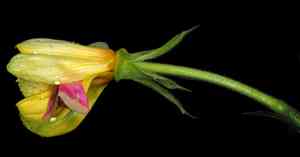
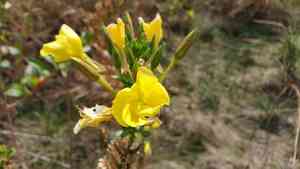
Striking yellow flowers, 1-2 inches (2.5-5 cm) wide, closing by morning, with cross-shaped petals.
3
Hairy, reddish-green upright stem, 3-5 feet tall (90-150 cm), with spirally arranged leaves.
4
Elliptic to lance-shaped leaves, 4-8 inches long (10-20 cm), light green, wavy-toothed margin.
5
Distinctive evening blooming pattern, lemon-yellow bowl-shaped flowers, closure in daytime heat.
Scientific Classification of Common evening-primrose
Phylum
Vascular plants
Class
Dicotyledons
Order
Myrtle order
Family
Evening primrose
Genus
Evening Primrose
Species
Common evening-primrose
Planting and Growing of Common evening-primrose
Care Difficulty
Easy
Watering Schedule
Every 2 days
Sunlight Requirements
Full sun
Sunshine Duration
6-10 hours
Ideal Temperature
60-75℉
Soil Type
Potting Mix, Peat Mix
Soil pH
6.5-7.5
Fertilizer Type
Balanced
Pruning Season
Spring, Summer
Pruning Area
Branches, Leaves
Pruning Frequency
2 times a year
Repotting Season
Spring
Pot Type
Plastic, Ceramic
 How to Water Common evening-primrose?
For Oenothera biennis, the watering principle is straightforward yet crucial. Ensure that the soil is moist but not waterlogged. A general guideline is 500 ml per watering session, allowing for the soil to dry out slightly between waterings.
What are the symptoms of an underwatered Common evening-primrose?
›
What should I do if my Common evening-primrose is not getting enough water?
›
What are the symptoms of an overwatered Common evening-primrose?
›
How to save an overwatered Common evening-primrose?
›
 What Are the Sunlight Requirements for Common evening-primrose?
Oenothera biennis flourishes best under full sun conditions, benefiting from 6 to 8 hours of sunlight daily. This enhances its flowering potential and overall growth vigor, ensuring a healthy life cycle and natural pest resistance.
What is the ideal light condition for Oenothera biennis?
›
How can I ensure optimal lighting for Oenothera biennis?
›
What benefits does Oenothera biennis gain from ideal lighting?
›
 What Is the Ideal Temperature Range for Common evening-primrose?
Oenothera biennis thrives best at temperatures between 60°F and 75°F. This range allows the plant to conduct photosynthesis efficiently and promote healthy growth. Maintaining this temperature provides the necessary warmth for optimal nutrient absorption. When conditions fall within this range, the plant exhibits lush foliage and vibrant blooms.
 What Soil is Best for Common evening-primrose?
Evening Primrose thrives in well-drained soil because it prevents root rot and ensures that the roots have access to sufficient oxygen. This requirement is crucial as it allows the plant to absorb necessary nutrients efficiently. This plant benefits from moderately fertile soil that provides essential nutrients without overwhelming the plant. Enough nutrients help in steady growth and profuse blooming, enhancing its natural beauty. While some plants need a lot of organic matter, Evening Primrose does well with lower levels. This reduces excessive moisture retention and helps maintain soil structure, promoting healthy growth.
 How to Fertilize Common evening-primrose?
For Oenothera biennis, the fertilization process should involve moderate application. Approximately 20 grams of a balanced organic fertilizer is ideal per square meter. Over-fertilization can lead to lush foliage but poor flowering, so it's essential to strike a balance.
 How to Prune Common evening-primrose?
Ensure you have sharp, clean pruning shears to make clean cuts, which help to prevent disease. A sharp tool will also make your job quicker and easier, reducing stress on the plant. Begin by cutting back any dead, damaged, or diseased stems. Shape the plant by making cuts just above a node or bud, which encourages healthy new branches. Regularly remove spent flowers during growing seasons to encourage more blooms. This process, known as deadheading, keeps the plant tidy and extends the blooming period.
 How to Propagate Common evening-primrose plant?
1
Collect or purchase Oenothera biennis seeds. Before planting, ensure the seeds are stratified, as this breaks dormancy and enhances germination rates. Place seeds in the refrigerator for 4-6 weeks.
2
Fill seed trays with potting mix and moisten it slightly. Sprinkle the Oenothera biennis seeds evenly on the surface and cover them lightly with more potting mix. Gently pat down to ensure seed contact with the soil.
3
Place the seed trays in a location with indirect sunlight. Maintain soil moisture by misting regularly, avoiding waterlogging. A temperature range of 15-20°C (59-68°F) is ideal for germination.
 How to Repot Common evening-primrose plant?
1
Oenothera biennis shows signs for repotting when roots start to emerge from the drainage holes or the growth slows significantly. Spring or early summer is the optimal time to repot, as the plant is in its active growing phase, ensuring better recovery and establishment in the new container.
2
Select a pot that is one size larger than the current one, with sufficient drainage holes at the bottom. A slightly larger pot allows room for root growth without too much excess soil, which helps prevent waterlogging and root rot, crucial for this plant’s health.
3
Opt for a well-draining, sandy soil mix that mimics the plant's natural habitat. Such soil ensures adequate drainage and aeration, reducing the risk of root rot while encouraging healthy root development and nutrient uptake essential for the plant’s growth and blooming.
Learn More About Common evening-primrose Diseases
Anthracnose
Bacterial Leaf Spot
Bacterial Wilt
Chemical Injury
Crown Gall
Cyst Nematode
Damping-off
Downy Mildew
Drought Stress
Fusarium Wilt
Gray Mold
Leaf Spot
Mosaic
Nutrient Deficiency
Nutrient Toxicity
Powdery Mildew
Root Rot
Root-knot Nematode
Rusts
Sooty Mold
Spider Mites
Temperature Stress
Thrips Damage
White Mold



