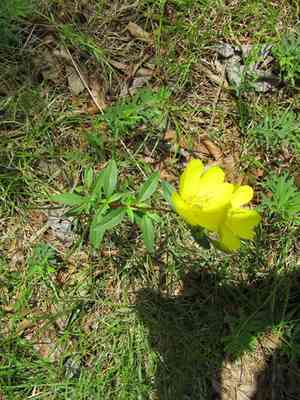
Narrowleaf evening primrose (Oenothera fruticosa)
Also known as: Shrubby sundrops, Narrow-leaved sundrops
Narrowleaf evening primrose (Oenothera fruticosa) is a North American native flowering plant. It typically thrives in dry, rocky soils and open areas such as prairies and meadows. Occasionally, it is also found in woodland edges and is sometimes grown as an ornamental plant. The species can interbreed with other evening primroses, leading to some taxonomic debates within the scientific community.
In This Article
Attributes of Narrowleaf evening primrose
Lifespan
Perennial, Biennial, Annual
Plant Type
Herb
Plant Height
20 cm to 90 cm
Spread
60 cm
Leaf Color
Green
Flower Size
2.5 cm to 5 cm
Flower Color
Yellow Gold
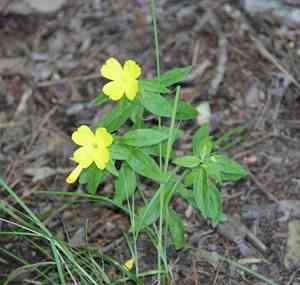
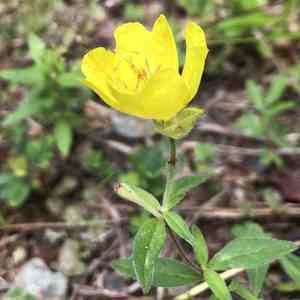
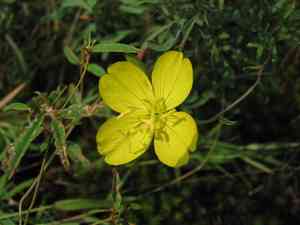
Images of Narrowleaf evening primrose
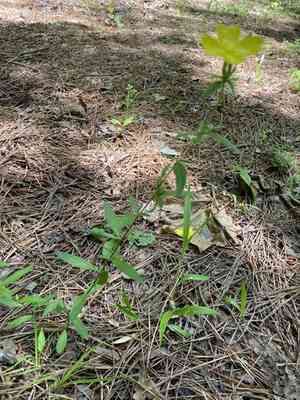
Quickly Identify Narrowleaf evening primrose
1
Bright yellow, 4-petaled flowers up to 2 inches across.
2
Capsule fruit with distinctive club-like shape, turning brown.
3
Slender stem, 0.1-0.2 inches diameter, reddish to green color.
4
Basal leaves lanceolate, 1-4 inches long, purplish-green in winter.
5
Daylight-opening flowers in loose clusters distinguish this species.
Scientific Classification of Narrowleaf evening primrose
Phylum
Vascular plants
Class
Dicotyledons
Order
Myrtales
Family
Evening primrose
Genus
Evening Primrose
Species
Narrowleaf evening primrose
Planting and Growing of Narrowleaf evening primrose
Care Difficulty
Easy
Watering Schedule
Every 4 days
Sunlight Requirements
Full sun
Sunshine Duration
4-6 hours
Ideal Temperature
65-75℉
Soil Type
Potting Mix, Peat Mix
Soil pH
6.5-7.5
Fertilizer Type
Balanced
Pruning Season
Spring, Summer
Pruning Area
Branches, Leaves
Pruning Frequency
2 times a year
Repotting Season
Spring
Pot Type
Plastic, Ceramic
 How to Water Narrowleaf evening primrose?
For Oenothera fruticosa, it's crucial to water deeply, allowing the soil to become saturated to a depth of at least one inch. The plant prefers a balance between moist and dry soil, ensuring the roots receive adequate moisture without waterlogging.
More About Watering Techniques→
What are the symptoms of an underwatered Narrowleaf evening primrose?
›
What should I do if my Narrowleaf evening primrose is not getting enough water?
›
What are the symptoms of an overwatered Narrowleaf evening primrose?
›
How to save an overwatered Narrowleaf evening primrose?
›
 What Are the Sunlight Requirements for Narrowleaf evening primrose?
Oenothera fruticosa flourishes in full to partial sunlight, at least 6 to 8 hours daily. Access to consistent lighting enhances blooming periods and ensures lush foliage, significantly boosting its ornamental appeal in any garden setting.
More About Sunlight Requirements Techniques→
How much sunlight does Oenothera fruticosa need?
›
What are the benefits of exposing Oenothera fruticosa to ideal sunlight?
›
What are the solutions for achieving ideal lighting conditions?
›
 What Is the Ideal Temperature Range for Narrowleaf evening primrose?
Oenothera fruticosa thrives best in temperatures ranging from 65°F to 75°F. This range promotes vigorous growth and healthy blooming. The plant is native to temperate regions, and maintaining this ideal temperature ensures its metabolic processes occur optimally, resulting in vibrant foliage and flowers.
 What Soil is Best for Narrowleaf evening primrose?
Oenothera fruticosa thrives best in well-drained soils as these prevent root rot by allowing excess water to escape. This feature is crucial because poor drainage can lead to waterlogging, which is detrimental to this plant's health. While overly fertile soils aren't necessary, a moderate level of nutrients will help Oenothera fruticosa maintain its vibrant blooms. This balanced fertility supports robust growth without promoting excessive foliage at the expense of flowers. These plants prefer soil that retains moderate moisture levels, keeping the roots consistently hydrated but not soggy. Proper moisture aids in maintaining the plant's lush appearance and ensures the blooms are healthy and plentiful.
More About Soil→
 How to Fertilize Narrowleaf evening primrose?
For Oenothera fruticosa, applying a balanced liquid fertilizer should be done sparingly. Use half the recommended strength on the label to avoid nutrient burn. Typically, this plant requires about 1/4 teaspoon of liquid fertilizer per gallon of water.
More About Fertilizing Techniques→
 How to Prune Narrowleaf evening primrose?
Begin by inspecting the Oenothera fruticosa for any dead or diseased stems, which should be removed first to prevent disease spread. Trim these back to healthy tissue. Next, shape the plant by cutting back any overgrown or leggy stems to the desired length. Aim for a balanced, mounded appearance. Always make clean cuts at a slight angle about 1/4 inch above a leaf node.
More About Pruning Techniques→
 How to Propagate Narrowleaf evening primrose plant?
1
Begin by sowing the seeds in a seed tray filled with seed mix. Cover them lightly with soil and maintain even moisture until germination, which happens within 2–3 weeks.
2
Select a healthy stem and use a sharp knife to cut a section about 10 cm long. Remove the lower leaves and dip the cut end in rooting hormone before planting in moist potting mix.
3
Gently dig up the mature plant, shake off excess soil, and use a sharp knife to divide the plant into smaller clumps. Replant immediately, ensuring the roots are well-covered and watered.
 How to Repot Narrowleaf evening primrose plant?
1
One of the key indicators that your Oenothera fruticosa needs repotting is when you notice roots emerging through the drainage holes. Additionally, if the plant seems to be wilting or is less vigorous despite good care, it might be due to being root-bound. The best timing for repotting is during early Spring, which allows the plant to establish itself before its active growing period.
2
Selecting the right pot is crucial for successful repotting. Choose a pot that is about 1-2 inches larger in diameter than the current one to give the roots room to grow without overwhelming them. The pot should have adequate drainage holes to prevent waterlogging, which can lead to root rot. A terracotta pot can be beneficial as it allows the soil to breathe, promoting healthy root growth.
3
Oenothera fruticosa prefers a well-draining garden soil mix, which supports its need for slightly dry conditions between waterings. The ideal soil should have a combination of organic matter, sand, and a bit of perlite or pumice. This mix ensures good aeration and prevents the roots from sitting in water, reducing the risk of root diseases.
Learn More About Narrowleaf evening primrose Diseases
Anthracnose
Bacterial Leaf Spot
Bacterial Wilt
Black Spot
Chemical Injury
Crown Gall
Cyst Nematode
Damping-off
Downy Mildew
Drought Stress
Fusarium Wilt
Gray Mold
Leaf Curl
Leaf Spot
Mosaic
Nutrient Deficiency
Nutrient Toxicity
Powdery Mildew
Root Rot
Root-knot Nematode
Rusts
Sooty Mold
Spider Mites
Temperature Stress
Thrips Damage
White Mold



