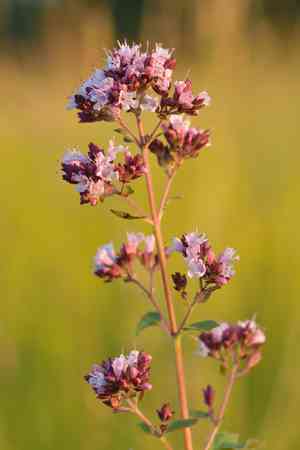
Oregano (Origanum vulgare)
Also known as: Common marjoram
Oregano (Origanum vulgare) is a perennial herb closely related to marjoram. It symbolized happiness to the Ancient Greeks and Romans. Widely used in global cuisines, oregano is one of the most popular culinary herbs. Additionally, oregano oil is derived from this plant, though it has faced legal scrutiny for unsubstantiated health benefit claims made by some suppliers.
Attributes of Oregano
Images of Oregano
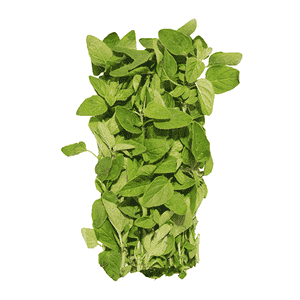

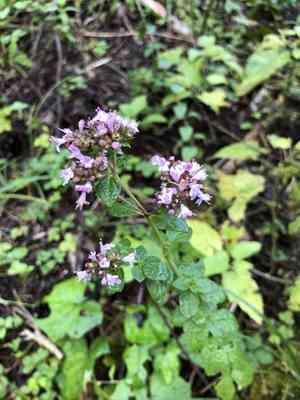
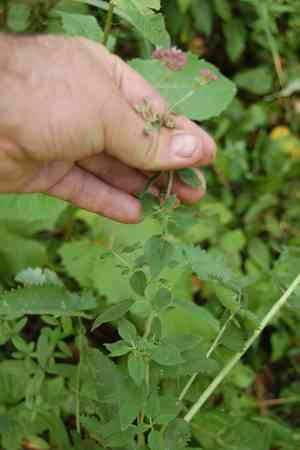
Quickly Identify Oregano
Scientific Classification of Oregano
Planting and Growing of Oregano
 How to Water Oregano?
 What Are the Sunlight Requirements for Oregano?
 What Is the Ideal Temperature Range for Oregano?
 What Soil is Best for Oregano?
 How to Fertilize Oregano?
 How to Prune Oregano?
 How to Propagate Oregano plant?
 How to Repot Oregano plant?
Toxicity of Oregano
Is Oregano toxic to cat?
Oregano exhibits a low level of toxicity to cats, which may manifest when consumed in substantial quantities. All components of oregano are harmful to felines, and contact can lead to signs of physical distress. Should a cat ingest oregano, it is essential to monitor for any indications of illness and swiftly pursue veterinary care to safeguard the cat's health and welfare.
Is Oregano toxic to dog?
Oregano is recognized for possessing a low level of toxicity in dogs. Poisoning is likely to happen when a dog ingests substantial amounts of this herb. Every part of the oregano plant can be poisonous, making it essential for dog owners to keep a close eye on their pets' access to it. If a dog eats a considerable quantity of oregano, they may display symptoms including gastrointestinal distress, vomiting, or diarrhea. Should a dog exhibit symptoms of oregano poisoning, it is vital for the owner to obtain prompt veterinary attention to secure the most favorable outcome for their furry companion.



